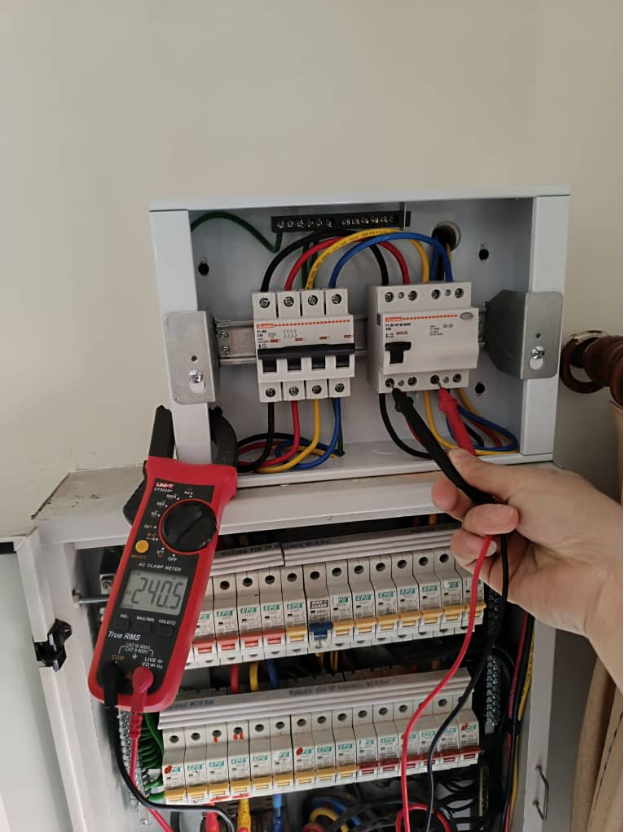
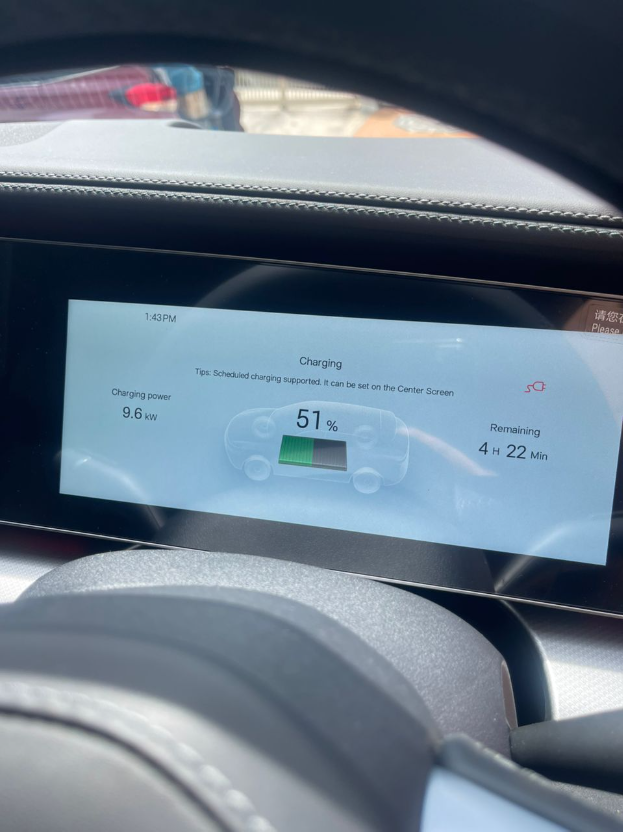
By Alvin Wong, CEO of Innovative Green Power Sdn. Bhd.
When planning your EV home charger installation, cable sizing often comes up, especially between 6mm² and 10mm² full copper wires.
Why Cable Size Matters
EV chargers draw continuous high currents over long periods. Proper cable sizing:
- Minimises voltage drop for stable charging
- Reduces heat buildup for safety
- Ensures compliance with Suruhanjaya Tenaga requirements and best practices under the IET Wiring Regulations (BS 7671), which guide safe, reliable wiring practices internationally and are referenced by many competent installers in Malaysia
The Standard: 6mm² for 32A Single-Phase
For a 32A single-phase EV charger (typically 7kW), 6mm² copper cables are generally sufficient for most installations within reasonable run lengths, typically up to around 30 metres under normal Malaysian ambient conditions.
This size offers a safe, compliant, and cost-effective solution when paired with correct protective devices and a properly inspected home distribution system.
Why We Often Recommend 10mm²
At Innovative Green Power, we generally recommend 10mm² copper cables when:
1. Longer Cable Runs
To reduce voltage drop on installations exceeding 30 to 40 metres.
2. High Ambient Temperatures
For installations in unventilated roof spaces where temperatures frequently exceed 40°C.
3. Cable Concealing in Concrete
When cables are concealed within concrete (such as embedded in walls or floors), heat dissipation is reduced, which can limit the cable’s current-carrying capacity. Using 10mm² helps maintain safe operating temperatures under continuous EV charging loads.
4. Future-Proofing for 22kW Charging
While most EVs today use 7kW (single-phase) or 11kW (three-phase at 16A), some EVs and future models support 22kW AC charging (three-phase, 32A).
Installing 10mm² cables now can avoid costly re-cabling if you plan to upgrade in the future, provided your home supply and infrastructure support it.
5. Minimising Heat Buildup
In installations where multiple circuits share the same conduit or trunking, thicker cables help reduce heat accumulation during extended charging.
Cost and Practical Considerations
Using 10mm² cables increases material and installation costs, requires larger conduits, and can be heavier to handle during installation.
Importantly, upgrading cables alone does not automatically enable 22kW charging. Your home’s electrical supply, protective devices, and approvals need to align with higher-capacity charging.
Should You Upgrade?
For a typical 32A single-phase home charger with a short run in open conduit, 6mm² is sufficient and safe.
However, if your installation involves long cable runs, high ambient temperatures, concealed cabling in concrete, or plans for a higher-capacity system in the future, using 10mm² cables is a strategic investment that enhances charging stability and flexibility in the long term.
Cable size is just one part of a safe, reliable EV charging system. Protective devices, earthing, wiring methods, and your home’s electrical infrastructure should all be evaluated holistically by a Suruhanjaya Tenaga-registered, EV charger-competent installer, with reference to BS 7671 where applicable.
Let our obsession with quality protect your safety.
Because when it comes to EV charging and electrical systems, there is no room for compromise.