
#1
Necessary information Gathering
#2
Site visit
#3
Proposal and quotation
#4
Full Payment and installation confirmation
#5
Installation, testing, commissioning and acceptance
We provide EV Infrastructure that includes the scope of:
- AC EV Chargers (EVSE)
- DC Fast Chargers (DCFC)
- Installation Services
- EV Charger (EVSE) Management Software

Featured Products
Our best-selling EV products


Latest Blog Post
Learn more about electric vehicles from our articles
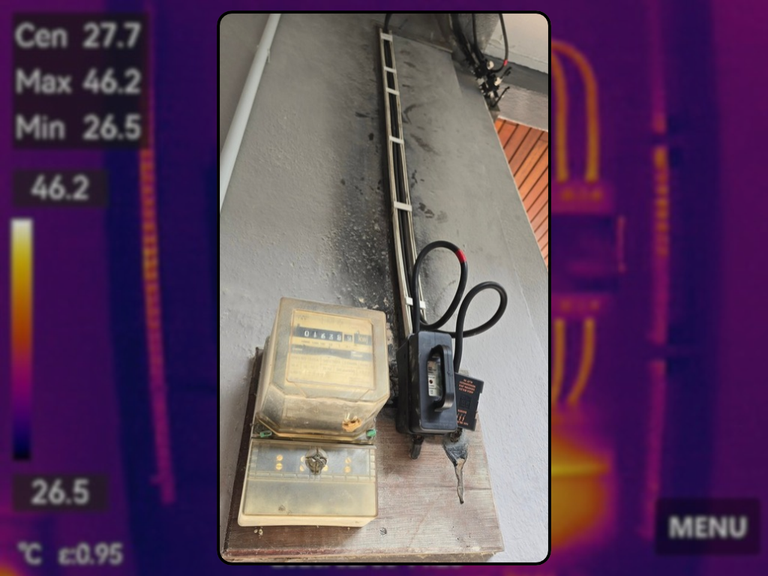
Loose Terminations and Long Cable Routes: Where Heat Can Build in Home EV Charging
The cable route may look neat, but the highest-risk point can be a hidden termination. EV charging can hold a substantial load for hours. That makes small resistances at joints, terminals and damaged conductors important, especially on long routes or…
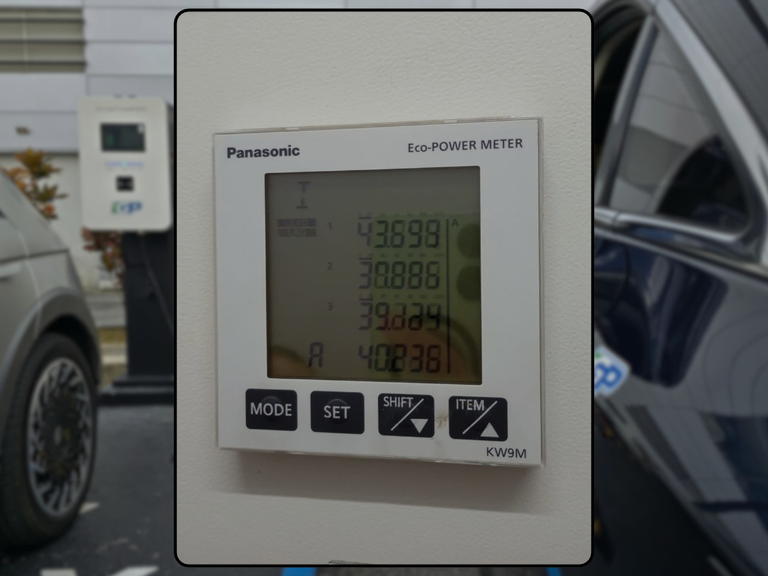
What Property Managers Should Know Before Installing EV Chargers
1. Introduction Property managers of office buildings, shopping malls and strata developments are facing increasing demand for EV charging. To ensure safe, compliant installations, managers must consider electrical capacity, fire safety guidelines and regulatory obligations. Here’s what to know before proceeding.…
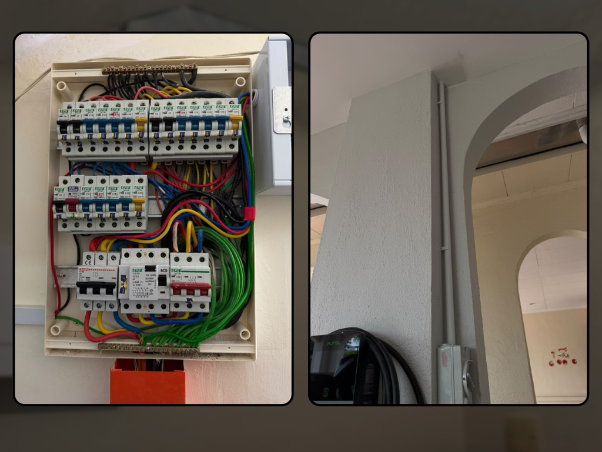
Can You Verify Your Dedicated Circuit? Trace the Route from Distribution Board to Wallbox
The wallbox is visible. The dedicated circuit behind it is where many safety questions begin. The wallbox is visible, but the circuit that feeds it determines how charging load reaches the home supply. A traceable route makes ratings, protection, isolation…