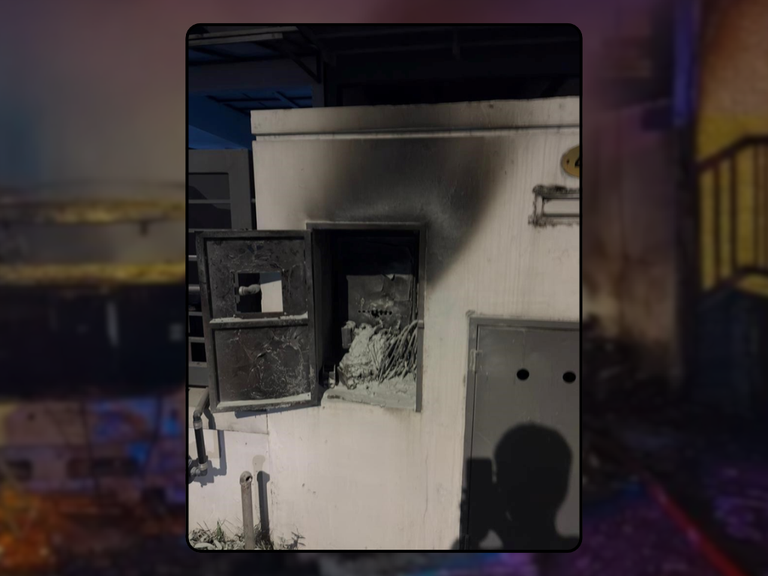
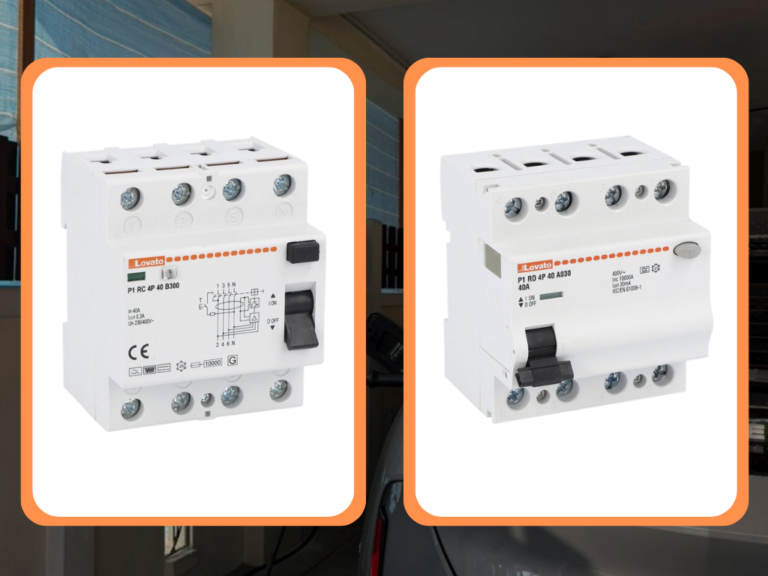
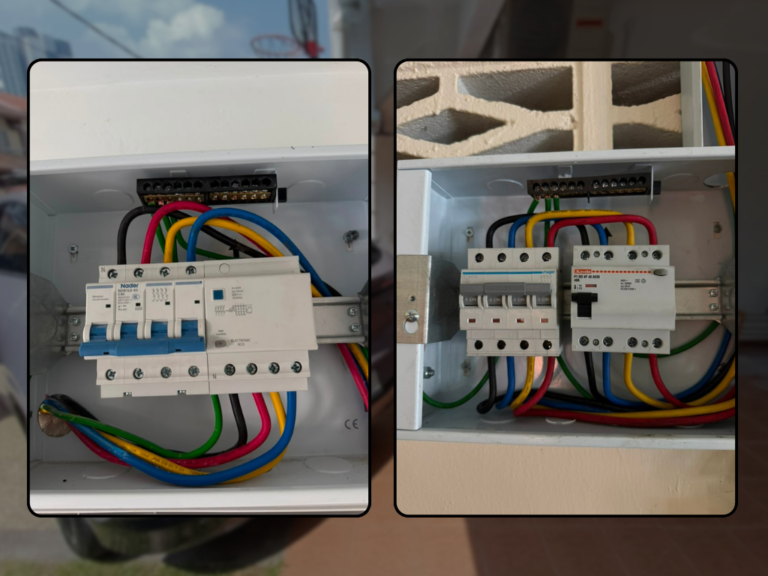
When installing an EV charger, one of the most important safety rules is that it must be connected to a dedicated final circuit. This is not just a recommendation—it’s a regulatory requirement under Suruhanjaya Tenaga (ST) guidelines.
Let’s break down why this is so important.
—
What is a final circuit?
A final circuit is the last stage of wiring that connects your electrical distribution board (DB) directly to an outlet or appliance.
In simple terms, it’s the dedicated pathway that carries current to a specific load, protected by its own circuit breaker and residual current device (RCD).
For normal household appliances, multiple sockets may share the same circuit. But for EV chargers, this is not allowed.
—
Why EV chargers require a dedicated circuit
1. Continuous High Load
Unlike most appliances, an EV charger can run for hours at its maximum rated current (e.g., 32A). Sharing with other loads would increase the risk of overheating, tripping, or even fire.
2. Safety & Protection
ST requires that each EV charger or socket for EV charging be powered by its own final circuit, with cables sized to the charger’s demand and protected against overcurrent and earth leakage. This ensures safe disconnection during faults without affecting other home circuits.
3. No Joints Allowed
Cables in a dedicated EV circuit must be continuous without joints. This prevents hotspots from developing at weak connection points over years of heavy use.
4. Regulatory Compliance
Electrical installations in Malaysia must comply with the Electricity Regulations 1994 and ST-issued guidelines. Installing an EV charger without a dedicated circuit can invalidate warranties and may even affect insurance claims in the event of an electrical incident.
5. Fire Safety Considerations
Planning guidelines for EV charging bays also reinforce the need for proper isolation and separation from other systems, which goes hand in hand with the dedicated circuit requirement.
—
What happens if you share a circuit?
If a charger is wired into an existing socket circuit, it could overload the cable and protection devices, especially if other appliances are drawing power at the same time.
This may lead to:
– Nuisance tripping
– Cable insulation damage due to overheating
– Increased fire risk
– Non-compliance with ST regulations
—
Consumer takeaway
When planning your EV home charger, always insist on a dedicated final circuit. This ensures your installation meets regulatory standards, protects your home, and guarantees long-term reliability.
Safe and Reliable EV Charging Systems, one at a time.
WhatsApp us: https://wa.me/60125954786