Why Do EV Chargers Come With 5M Cables, and Why Do Some Offer 7M as Standard?
If you’ve recently purchased an EV or are considering installing a home charger, you might have noticed that most EV chargers come with a 5-meter cable as standard. However, some models offer 7-meter cables as standard or as an optional upgrade. So why the difference? Let’s explore the reasoning behind these choices and what it means for you as an EV owner.
Why 5M Cables Are the Standard
1 . Designed for Typical Parking Setups
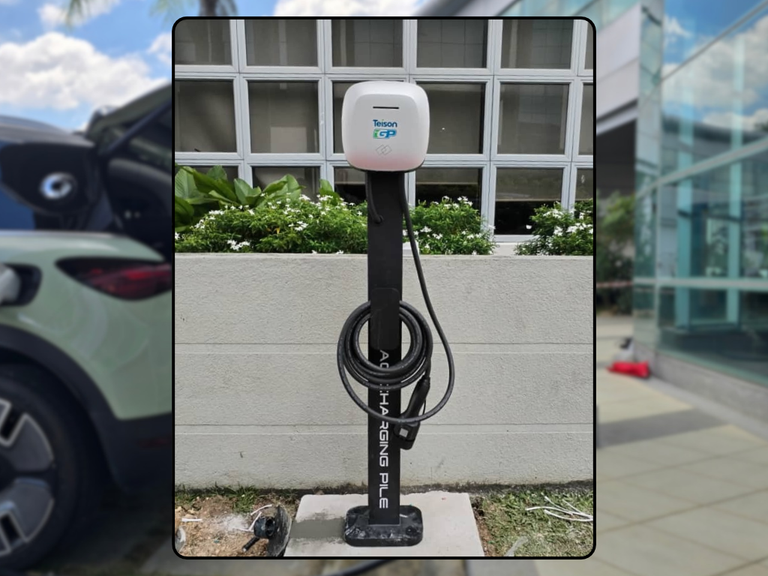
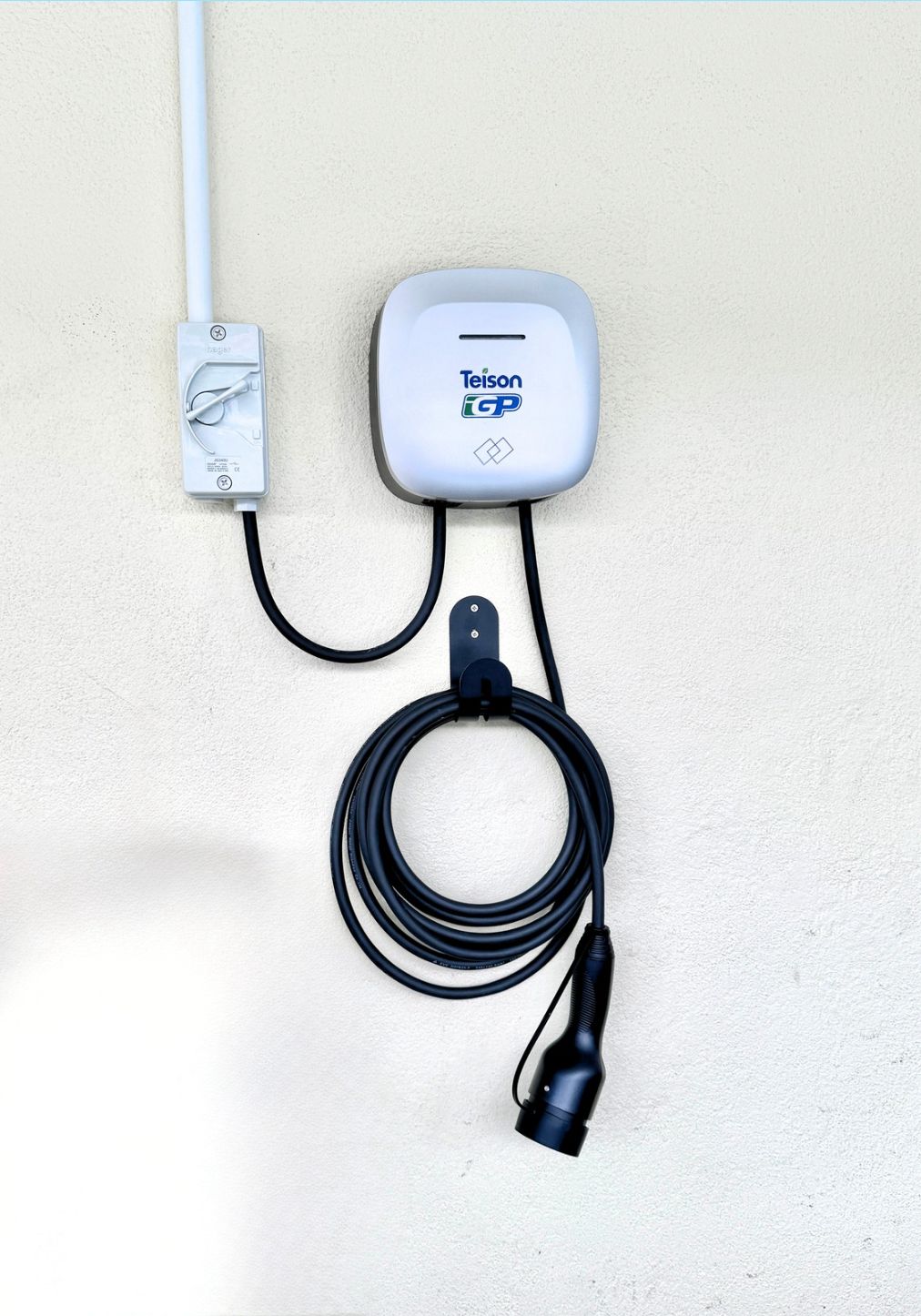
The 5-meter cable length is ideal for most home installations, where the charger is mounted close to the car’s parking spot. Whether it’s on a wall or a post, 5 meters is usually sufficient to connect the charger to the vehicle without issues.
2. Cost-Effective
Shorter cables are cheaper to manufacture and supply. By keeping the standard cable length at 5 meters, manufacturers can maintain competitive pricing for their chargers without compromising usability.
3. Easy to Handle
A 5-meter cable is lighter, less bulky, and easier to manage. It reduces the risk of tripping hazards, tangling, or unnecessary wear and tear from dragging the cable around.
4. Efficient Charging Performance
Longer cables can cause slight power losses due to increased resistance, especially at higher charging currents. A 5-meter cable minimizes these losses, ensuring reliable and efficient charging.
Why Some Chargers Offer 7M Cables as Standard
1 . Increased Flexibility
For homes with unconventional parking layouts or shared spaces, a 7-meter cable provides more reach. It allows for greater flexibility when parking, especially if the vehicle isn’t always aligned perfectly with the charger.
2. Multi-Vehicle Households
Longer cables are particularly useful in households with multiple EVs. A 7-meter cable makes it easier to charge different vehicles parked at varying distances from the charger.
3. Public Charging Compatibility
In public or semi-public installations, a longer cable accommodates a wider range of vehicles with different charging port placements, minimizing frustration for users.
4. Future-Proofing for EV Design Changes
EVs have varying charging port locations—some at the front, others on the side or rear. A 7-meter cable ensures compatibility with a broader range of vehicle designs, even if you change your car in the future.
Which Cable Length Should You Choose?
When deciding between a 5-meter or 7-meter cable, consider these factors:
1 . Your Parking Setup
Measure the distance between your EV’s charging port and the planned charger installation point. Account for obstacles or changes in parking alignment.
2. Convenience and Flexibility
If you anticipate needing to charge vehicles parked further away or in multiple positions, a 7-meter cable might be more practical.
3. Cost Considerations
Longer cables are more expensive, so ensure the added flexibility is worth the extra investment.
4. Future Needs
If you expect to upgrade to a new EV with a different port location or are planning on installing solar solutions, a longer cable could save you from future upgrades.
Summary
Both 5-meter and 7-meter cables serve distinct purposes. A 5-meter cable is sufficient for most standard setups, while a 7-meter cable provides extra flexibility for unconventional layouts, multi-vehicle homes, or public installations. By understanding your specific requirements, you can select the cable length that best complements your EV charging needs.