1. Introduction
With EV charging stations drawing high currents for extended periods, fire safety is paramount. Malaysia’s Fire and Rescue Department (Bomba) and GPP EVCB guidelines provide specific requirements to reduce fire risks in both commercial and residential settings.
2. Placement Restrictions and Fire Safety
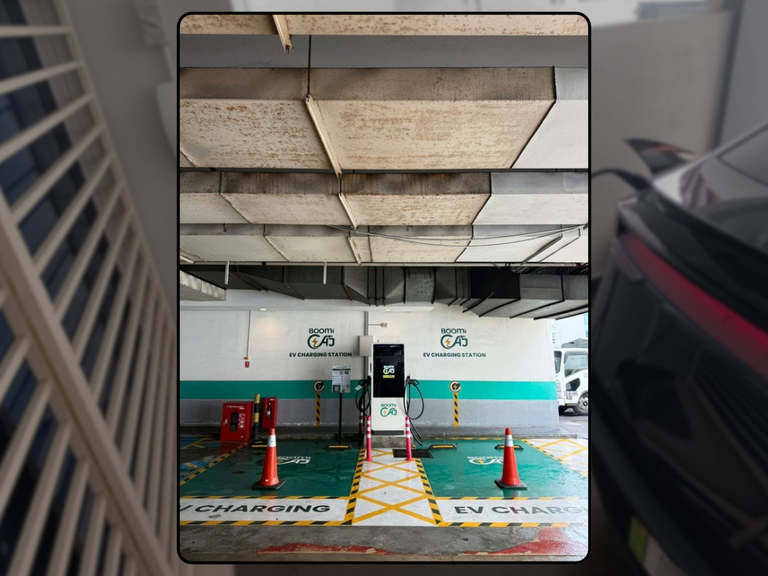
DC fast chargers (>22 kW) must be located on the ground floor, the first two floors above ground, or the first basement level of multi-storey buildings. This placement reduces the risk of high-energy fires deep within a building. AC chargers can be placed on any indoor level, but should not block emergency routes or stairs.
3. Separation Distances
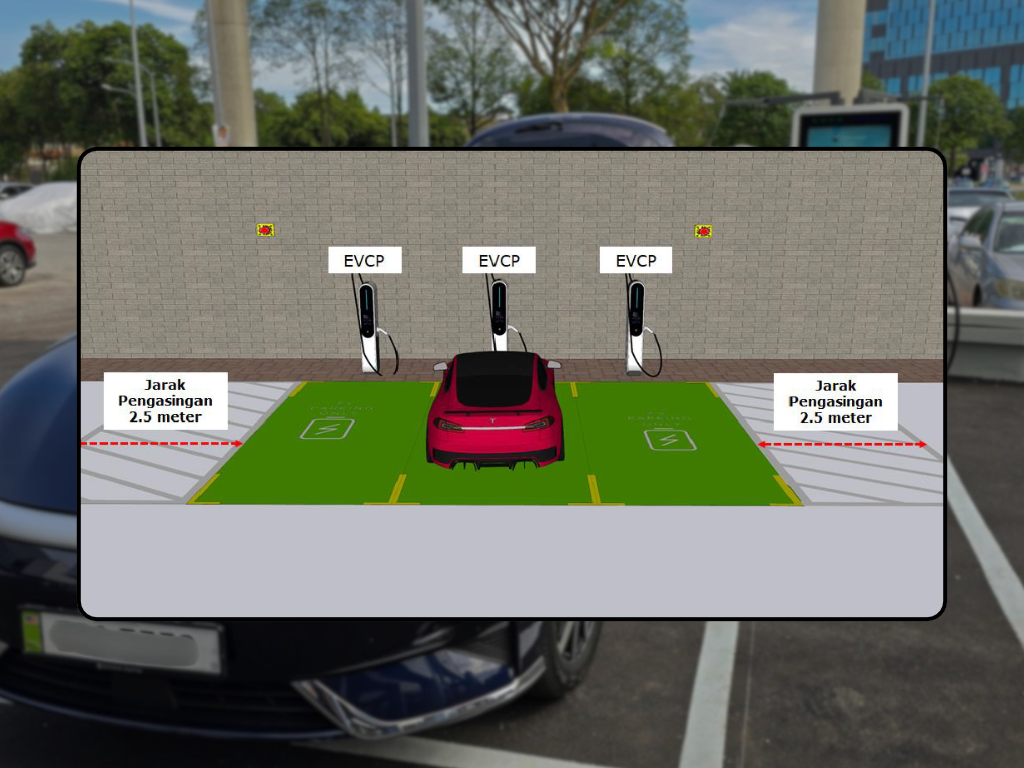
New developments must maintain 2.5 m separation between AC EV bays and adjacent parking spaces. For DC EV bays, a fire-rated wall with two-hour resistance is required if the bay area exceeds 216 m²; otherwise a 5 m separation suffices. These distances prevent heat transfer and provide space for firefighting.
4. Ventilation and Equipment
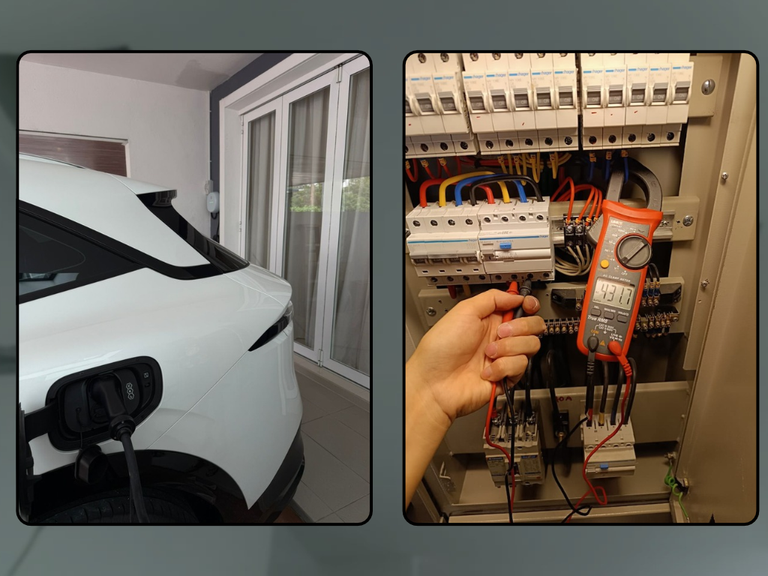
EV charging bays need adequate ventilation to dissipate heat and fumes. Fire safety guidelines suggest installing smoke detectors, fire extinguishers and clear signage. Ensure the charging equipment is certified and includes RCDs (residual current devices) and overcurrent protection. Use non-flammable cable conduits and avoid running cables through combustible materials.
5. Avoid DIY Shortcuts
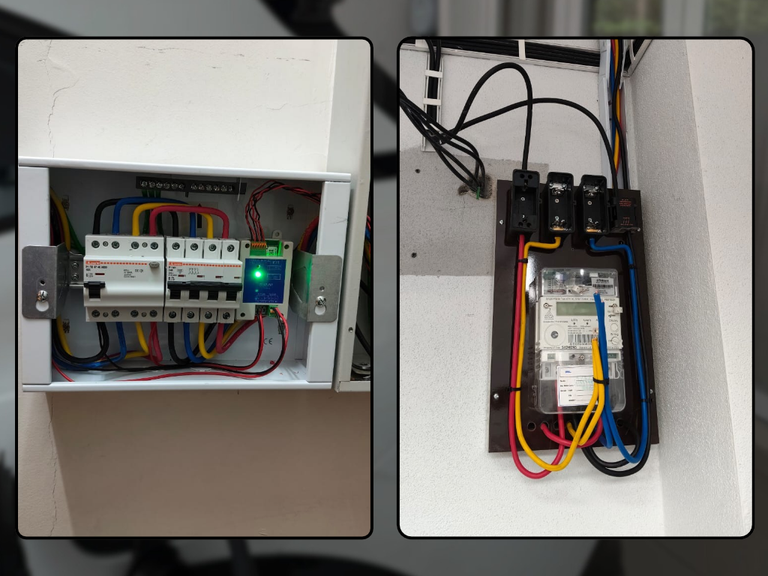
Bomba warns against tampering with electrical equipment or installing chargers without proper approvals. Cheap shortcuts—such as tapping power directly from the meter or sharing circuits—eliminate protective devices and increase fire risk. Use ST-registered contractors who follow guidelines for dedicated circuits and residual current protection.
6. Regular Maintenance and Inspections
Periodic inspections are essential. Property owners should schedule routine checks of protection devices, cables, and mounting structures. Clear any obstructions, ensure signage is visible and keep a Class C fire extinguisher nearby. Train staff and residents on safe charger operation and emergency procedures.
7. Conclusion
Fire safety for EV charging bays goes beyond proper equipment selection. It encompasses strategic placement, separation distances, ventilation, certified electrical components and regular maintenance. By adhering to Bomba and GPP EVCB guidelines and working with registered contractors, property owners can provide safe charging facilities that protect people and property.