Introduction
With EV ownership on the rise in Malaysia, many homeowners are looking for the most cost-effective and convenient way to install an EV charger. One approach that’s quietly becoming more common — especially in DIY or low-budget setups — is tapping power directly from the Tenaga Nasional Berhad (TNB) meter.
At first glance, this might seem like a clever workaround to avoid upgrading your home’s distribution board (DB) or running new cables. But in reality, this shortcut creates serious safety, legal, and long-term performance risks — and many EV owners may not even realise it.
1. Creating a Second Gateway of Power Consumption
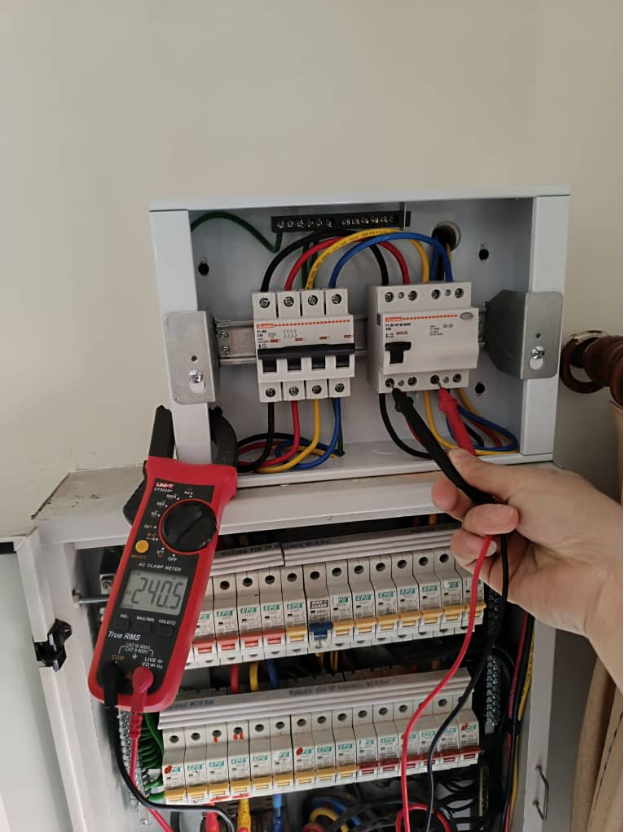
When you tap directly from the TNB meter, you’re bypassing the DB board — the core of your home’s electrical protection system. This effectively creates a second power gateway that:
• Operates outside your home’s protection circuit.
• Does not reflect in your DB’s load readings.
• Breaks the logic of smart load balancing and overload protection.
This means your EV charger operates “in the dark,” without the safeguards your home is designed to provide.
2. It’s a Breach of TNB Regulation
Only licensed and certified contractors are allowed to work around the meter. Bypassing or tapping power from the meter can be considered:
• Meter tampering, which is illegal.
• A violation of your TNB agreement, risking supply disconnection.
• A punishable offence under the Electricity Supply Act.
Even if your intentions are innocent, the implications are serious.
3. Major Safety Hazards
This kind of installation is not protected by your main RCCB or MCB, meaning:
• Faults in the EV charger circuit won’t trip your DB board.
• Overloads can overheat cables, leading to fire risks.
• There’s no earth fault protection unless a separate RCCB is correctly installed.
Worst case scenario? You or your family could face shock hazards — or worse — without warning.
4. Smart Chargers Lose Their “Smarts”
Modern EV chargers — like our Teison-IGP Smart Mini series — use home load balancing to monitor your household power usage and adjust the charging load accordingly.
If the charger bypasses the DB board:
• It can’t read your home’s load consumption.
• It can overload your main supply without knowing.
• It loses efficiency and protective logic, defeating the purpose of smart charging.
5. Insurance & Warranty Voids
Improper or non-compliant installations can:
• Void your home insurance coverage in case of fire or electrical fault.
• Void the manufacturer’s warranty on the EV charger — especially if it was not installed by a licensed contractor.
It’s not just risky — it’s expensive if something goes wrong.
Conclusion
While it may seem like a cost-saving shortcut, tapping directly from the TNB meter is never worth the risk. It introduces unprotected electrical pathways, breaks compliance with local regulations, and disables the very features that make smart EV charging safe and reliable.
Always insist on certified installations.
Make sure your EV charger is part of your home’s protected electrical system.
And remember — shortcuts in power can lead to long-term trouble.
Let our obsession for quality take care of your safety.