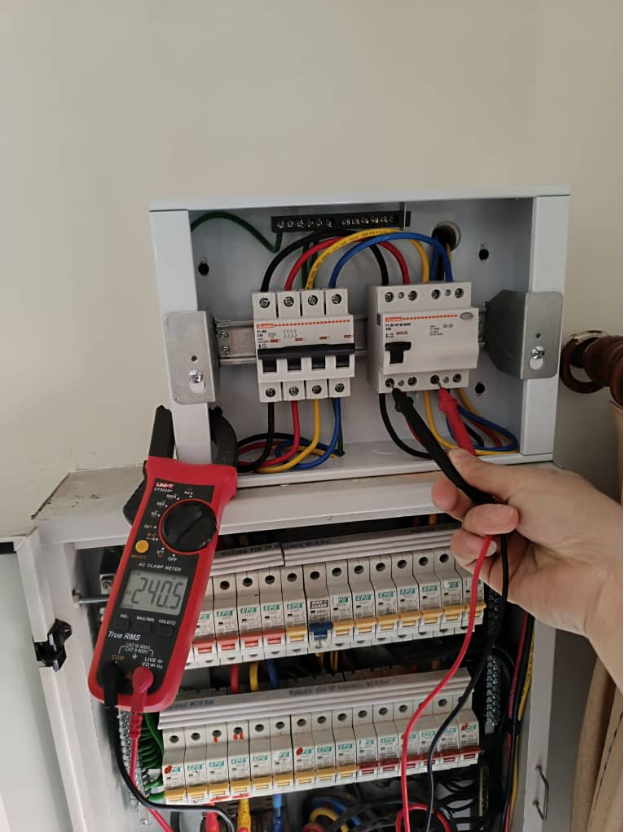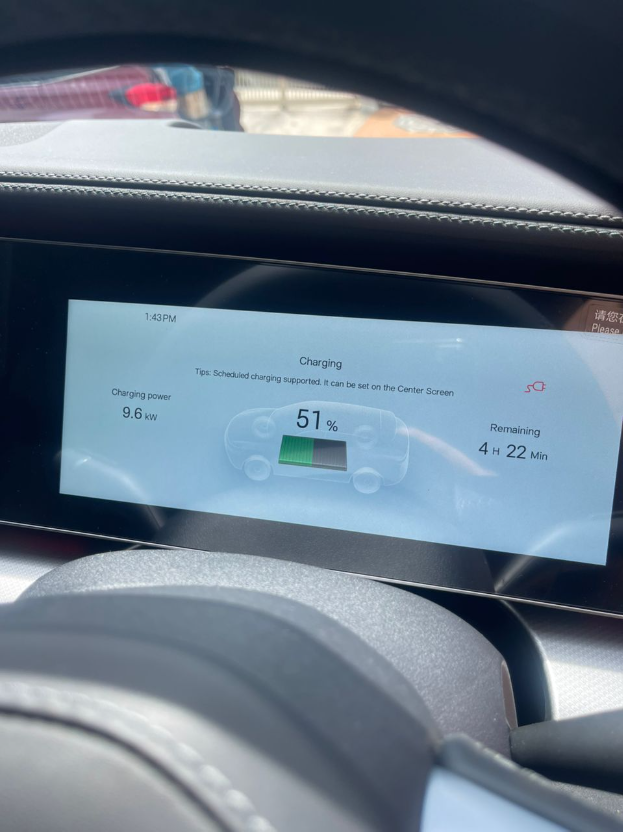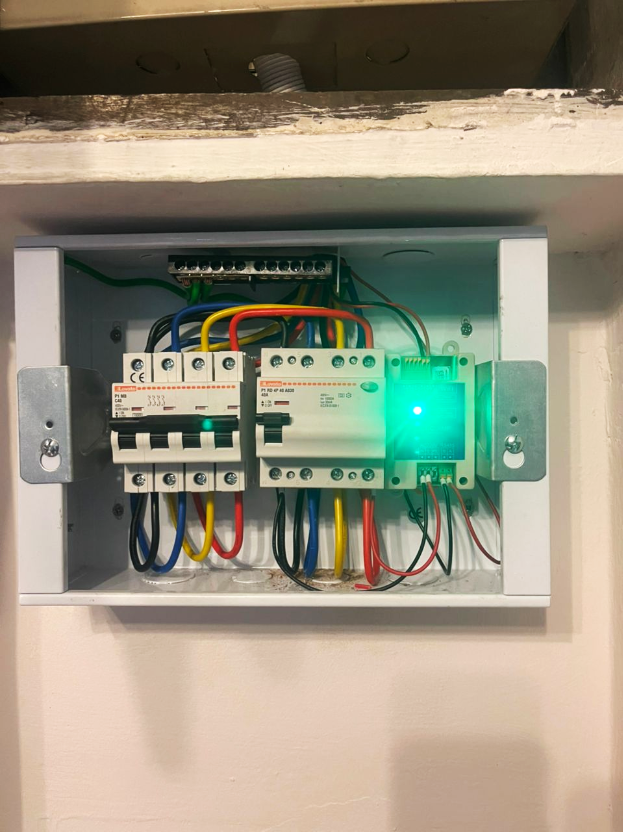
By Alvin Wong, CEO of Innovative Green Power Sdn. Bhd.
Breaker tripped again? It might not be your charger’s fault.
Behind every reliable EV charger lies the right protection — the MCB and RCCB. These two components quietly safeguard your home and vehicle from electrical faults, overloads, and leakage currents.
Many EV owners overlook their importance — until something goes wrong.
__________
A consumer-friendly guide on breaker and RCD protection:
Why Protection Devices Matter
When installing an EV charger at home or in a workplace, it’s not just about connecting wires and mounting the unit. Safety is critical.
Two key protection devices — MCB (Miniature Circuit Breaker) and RCCB (Residual Current Circuit Breaker) — stand guard against faults, overloads, and life-threatening leakage currents. Choosing the right ones ensures your EV charger runs safely and reliably for years.
The Role of the MCB
The MCB is designed to protect against overcurrent — whether from too many appliances drawing power (overload) or a short circuit.
Right rating matters: For a typical 7kW single-phase home charger (32A load), a 40A MCB is common. For a 22kW three-phase charger, a 40–50A three-phase MCB is often required.
Breaking capacity (kA): Look for at least 6kA or 10kA rated MCBs, depending on your supply conditions. Lower quality breakers may trip prematurely or fail to interrupt fault current safely.
Quality vs. lifespan: Using a cheap or mismatched MCB may work initially, but under constant EV charging loads, it can deteriorate quickly, leading to nuisance tripping or even fire risk.
The Role of the RCCB
The RCCB (sometimes called RCD) protects people from electric shock caused by current leakage to earth.
Sensitivity rating: A 30mA RCCB is standard for EV chargers. This is sensitive enough to protect people while avoiding unnecessary tripping.
Type A vs Type B:
Type A RCCB is the minimum recommended for EV chargers, as it can detect AC leakage and pulsating DC currents.
Type B RCCB is required in some cases (e.g., chargers without built-in DC leakage protection) because it can also detect smooth DC leakage.
Why not Type AC? Type AC cannot detect DC components and is not suitable for EV charging.
MCB + RCCB: Working Together
Think of the MCB as protecting your wiring and equipment, while the RCCB protects you and your family. Both are essential.
MCB trips when your charger draws more current than the wiring can safely handle.
RCCB trips when even a small amount of current “leaks” through an unintended path (like through a person).
When correctly sized and paired, they form a reliable first line of defense.
Practical Tips for Consumers
Don’t oversize the breaker just to “avoid tripping.” This masks real risks.
Check installation standards. In Malaysia, compliance with Suruhanjaya Tenaga (ST) guidelines is mandatory.
Invest in quality brands. Components from reputable manufacturers perform better under heavy loads like EV charging.
Ask your installer about DC leakage protection.
Get a certified installer. Proper wiring, earthing, and breaker coordination are as important as choosing the right device.
Conclusion
The EV charger is just one part of the system. Without the right MCB and RCCB, you risk damaging equipment — or worse, compromising safety. Choosing properly rated, high-quality protection devices, installed by certified professionals, ensures peace of mind every time you plug in.
Safe and Reliable EV Charging Systems, one at a time.
WhatsApp us: https://wa.me/60125954786