A Warm Welcome to New EV Owners: Let’s Talk About Safe Home Charging
I’d like to start this post by welcoming and congratulating all the new EV owners, whether you have already taken delivery of your car, or you have placed a booking and are waiting for your delivery.
I took delivery of my first EV in March 2023, and I can confidently say this marks the start of a new and exciting lifestyle. For many, it also comes with new learning experiences. One thing most EV owners will notice is how quickly petrol stations become places we only visit for their toilets or air pumps.
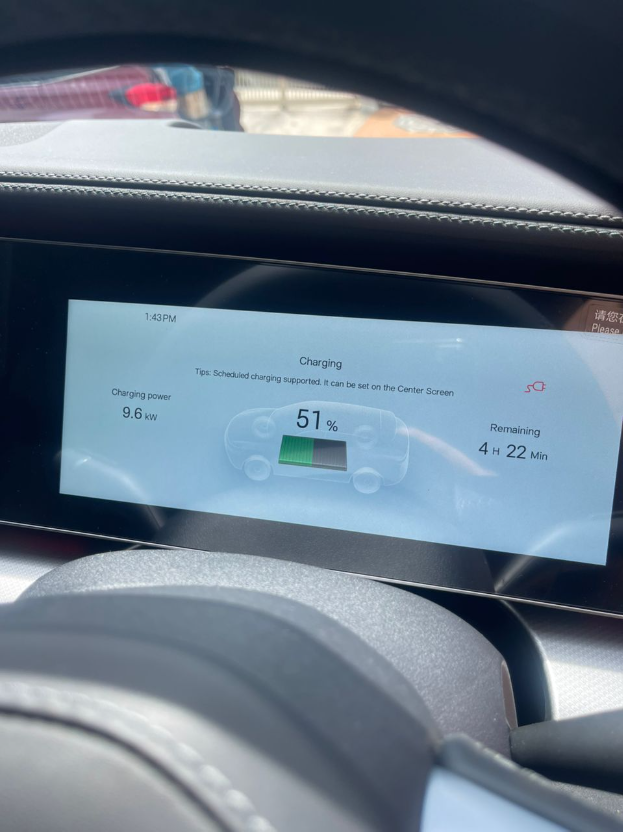
This post is inspired by the increasing interest around home charger installations. Many first-time EV owners are asking, “What do I need for a safe and reliable charging setup at home?”
As the founder of Innovative Green Power Sdn. Bhd., established in April 2022, I have seen the rapid growth in demand for home charging solutions. As of May 2025, we have installed over 2000 home chargers across Malaysia. With more options now available in the market, it becomes even more important for EV owners to understand the principles behind a safe installation, especially in selecting the right components for their home electrical system.
This guide aims to share clear and practical knowledge on what makes a charging setup safe, how to approach component selection, and how to make informed decisions for your home.
What Makes a Home EV Charger Circuit Different?
Charging an electric vehicle involves high current loads, often for extended periods. Because of this, the design of your home charger circuit follows specific principles to ensure safe, efficient, and stable operation.
1. A Dedicated Circuit with Proper Protection
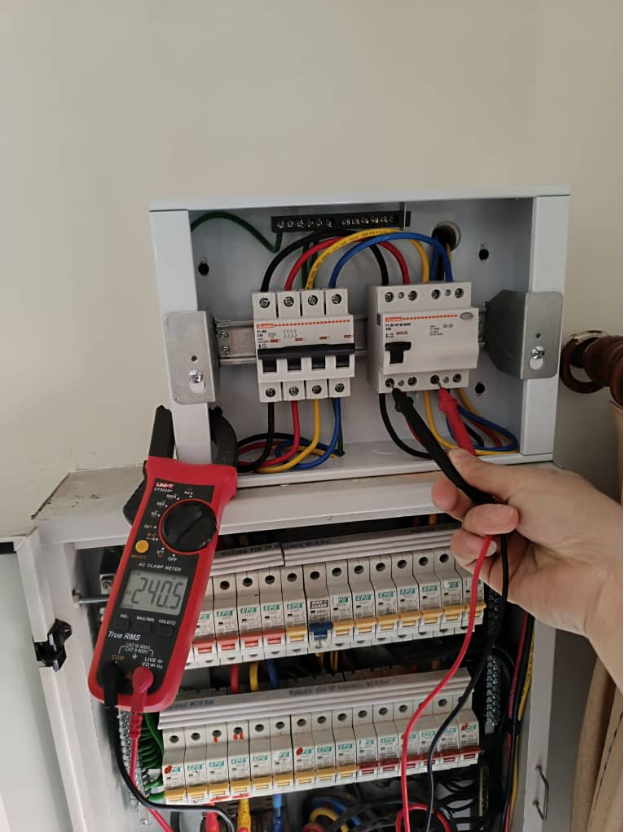
The EV charger should always be installed on an independent circuit, complete with its own:
- MCB (Miniature Circuit Breaker) to protect against overcurrent and short circuits
- RCCB (Residual Current Circuit Breaker) to protect against earth leakage
This design helps isolate the EV charger from other household circuits, meaning that any electrical incidents at the charger side will not disturb your home’s main power supply.
2. Choosing the Correct MCB
The MCB must be sized correctly based on the charger’s power rating and electrical standards:
- 40A for 32A charging systems (common for 7kW single-phase or 22kW three-phase chargers)
- 20A for 16A charging systems (3.7kW single-phase or 11kW three-phase)
- Type C tripping curve, suitable for the inrush currents typical in EV charging
- Short-circuit withstand rating of at least 6kA; at Innovative Green Power, we exclusively use 10kA-rated MCBs to provide an additional layer of resilience
The use of Type C breakers with a sufficient fault-current rating ensures both operational reliability and safety.
3. RCCB (Residual Current Protection)
RCCB protects against leakage currents, which could otherwise cause electric shock or fire:
- Type A RCCB is suitable for chargers with in-built 6mA DC leakage detection
- Type B RCCB is required if the charger lacks internal DC leakage protection
- The RCCB must also carry a 6kA or higher short-circuit rating; we use 10kA-rated RCCBs for added protection
Choosing the correct RCCB type and ensuring it has the right protection rating is key for both electrical safety and regulatory compliance.
4. Isolator Switch
An Isolator Switch provides a safe, manual method to cut off power supply to the EV charger for maintenance or emergencies:
- It should be rated 40A minimum
- We standardise on Hager JG340U (single-phase) and JG440U (three-phase) models, known for their reliability and build quality
5. Cable Sizing and Material
Cable selection is crucial to avoid overheating and performance loss:
- 6mm² full copper cables are our minimum standard
- 10mm² cables are recommended for longer cable runs or higher-capacity systems
- For distances over 130 meters, cables must be upsized accordingly
- We use 100% full copper cables only, as they offer superior conductivity and safety compared to alternatives like copper-clad aluminium (CCA)
Why Component Quality Matters
All of these selections—MCB, RCCB, isolator switch, and cables—are interconnected. A good EV charger requires the right protection system, properly installed to work safely under high current for many hours at a time.
Using high-quality components means:
- Fewer nuisance trips
- Lower risk of overheating
- Better long-term durability
- Compliance with electrical safety standards
A thoughtfully designed installation offers reliable performance and peace of mind for many years of EV ownership.
Key Principles to Remember
When planning your home EV charger installation:
- Focus on dedicated protection for the charger circuit
- Choose circuit breakers and RCCBs that meet or exceed minimum safety ratings
- Ensure cables are full copper and properly sized for the load and distance
- Opt for quality brands that provide traceability and tested performance
- Always engage licensed and competent electrical contractors
A proper home charging system is not just about the charger unit itself, but about the entire supporting electrical system.
Our Approach at Innovative Green Power
At Innovative Green Power, we follow these principles strictly:
- Every installation comes with load assessment and proper component selection
- All installations follow Suruhanjaya Tenaga requirements
- We prioritise material quality and safe workmanship
- We offer after-sales support and warranty, standing behind our work for years to come
This approach ensures a hassle-free, safe, and future-proof EV charging experience for all our customers.
Final Thoughts
Owning an EV is more than just changing how you drive. It is also about making sure your home’s electrical system is ready for this new chapter. By understanding these core principles, you will be able to make informed decisions for your charging setup.
Let our obsession with quality protect your safety.
Because when it comes to EV charging and electrical systems, there is no room for compromise.
Need your EV charger or electrical setup professionally installed or inspected?
WhatsApp Us: https://wa.me/60125954786
Stay connected with us:
Instagram: https://www.instagram.com/innovativegreenpowermy
Facebook: https://www.facebook.com/innovativegreenpower
YouTube: https://www.youtube.com/@IGPEVCharging-ir8rv
Website: https://www.innovativegreenpower.com