By Alvin Wong, CEO of Innovative Green Power Sdn. Bhd.
Did you know an incorrect EV charger installation can void both your warranty and your home insurance?
Many homeowners don’t realize that EV chargers fall under regulated electrical equipment — and that only installations done by a Competent Person registered with Suruhanjaya Tenaga (ST) are legally compliant.
In our latest article, we explain how to stay protected under warranty and insurance — and avoid costly mistakes.
Read the full guide below.
__________
Insurance and Compliance Risks: How Improper Installation Can Void Warranty and Insurance
Installing an EV charger at home is not the same as plugging in a new household appliance. EV chargers fall under regulated electrical equipment, and the way they are installed directly affects both your product warranty and your home insurance coverage.
If the charger is not installed according to Suruhanjaya Tenaga (ST) requirements and residential wiring guidelines, you risk being left unprotected in the event of a fault, fire, or claim.
Why Proper Installation Matters
According to the Guidelines on EV Charging Systems (EVCS), all EVSE installations must be carried out by a Competent Person registered with ST. Likewise, the Residential Wiring Guide reinforces that all electrical work must comply with the Electricity Regulations 1994.
For a home charger, this means:
– The charger must run on a dedicated final circuit — no sharing with sockets or other appliances.
– Circuit protection must include an MCB and a Residual Current Device (RCCB/RCBO) rated appropriately (usually 30mA sensitivity).
– Cabling must be full copper, correctly sized, and joint-free.
– The installation must follow proper earthing and bonding practices.
Skipping these requirements — for example, tapping into an existing 13A socket or oversizing fuses without upgrading wiring — makes the setup unsafe and non-compliant.
Warranty Risks
Most charger manufacturers, including Innovative Green Power, specify that the warranty is only valid if the installation complies with Suruhanjaya Tenaga’s wiring and EVCS guidelines.
Common warranty-voiding practices include:
– Using non-competent or uncertified installers.
– Not providing a dedicated circuit.
– Improper protection setup or fuse modification without system checks.
– If these shortcuts are taken, the warranty will not cover damage to the charger.
Insurance Risks
Home insurance assessors will look at whether electrical works were carried out in compliance with ST’s regulations.
If a fire is traced to:
– Non-compliant wiring,
– Absence of RCCB protection, or
– Unlicensed installation work,
the insurer may reject the claim.
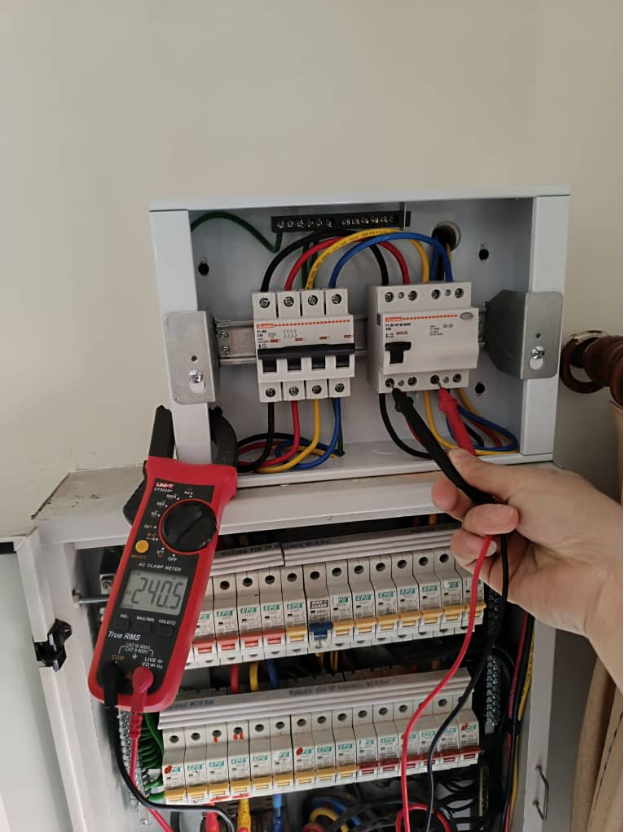
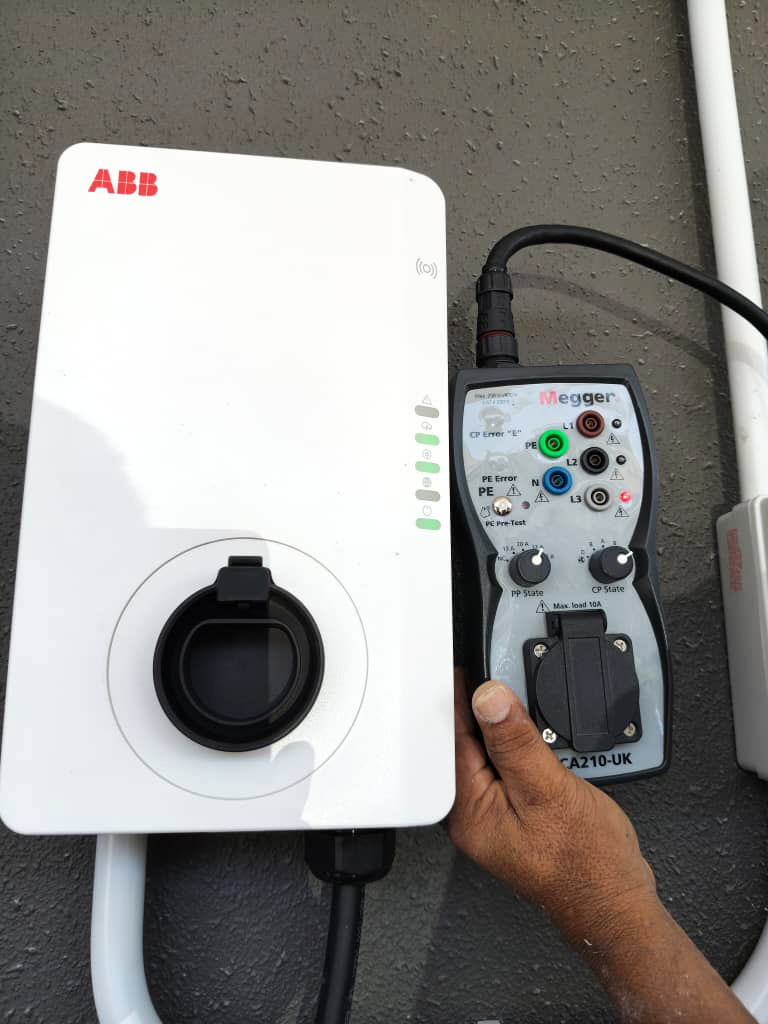
Even in private homes, this is a real risk. Documentation from your installer — such as wiring schematics, load calculations, and test results — serves as proof that the installation followed the rules.
The Right Way to Protect Yourself
To stay protected under both warranty and insurance:
Always hire a licensed electrical contractor registered with ST.
Ensure a dedicated final circuit with correct cable sizing and protective devices.
Request installation records — even if Form G/H is not required for homes, your installer should provide at least test results, circuit diagrams, and photos.
Keep these records safely — they are proof of compliance if warranty or insurance claims are needed.
Conclusion
Improper installation is not just about safety risks — it can also leave you with a void warranty and no insurance protection.
By insisting on proper installation by a competent person and keeping clear documentation, you safeguard your EV investment and your home.
Safe and Reliable EV Charging Systems, one at a time.
WhatsApp us: https://wa.me/60125954786