By Alvin Wong, CEO of Innovative Green Power Sdn. Bhd.
When it comes to EV charging, the cable that connects your charger to your distribution board (DB) quietly determines how safe, efficient, and reliable your charging setup is.
One of the most common technical questions we get is: “Why must my charger use 6mm² copper cable?”
Cable Sizing and Safety for Home EV Chargers: Why 6mm² Copper Is the Minimum
Core Explanation:
1. Cable sizing isn’t about “overkill” — it’s about safety and performance.
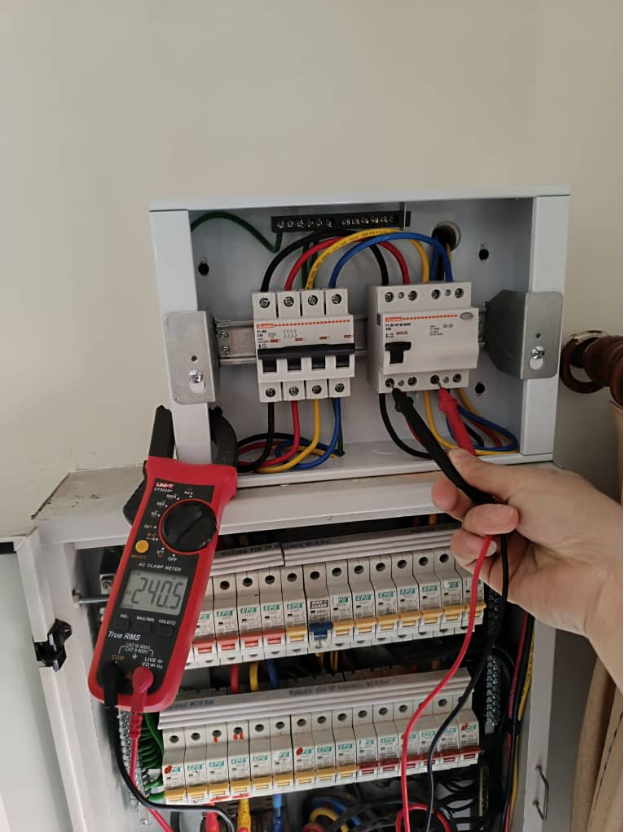
According to Suruhanjaya Tenaga’s Guidelines for Electrical Wiring in Residential Buildings (2008) and the new Guidelines on Electric Vehicle Charging System (EVCS), 2025, EV chargers must be powered through a dedicated final circuit with correctly sized conductors. This ensures the cable can safely carry the charger’s continuous load without overheating.
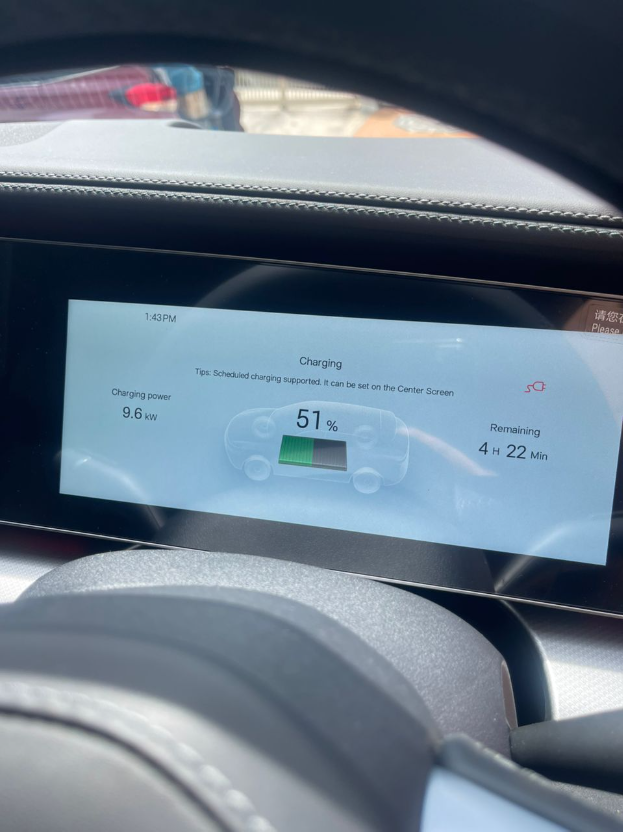
A 7 kW single-phase charger typically draws around 32 A continuously for hours, far longer than an air-conditioner or water heater. Undersized cables can heat up over time, leading to insulation damage or even fire risk.
2. Why 6 mm² full copper matters.
For a 32 A circuit, the minimum safe size based on IEC 60364-5-52 and MS 1979:2007 is 6 mm² copper when installed in trunking or conduits, assuming normal ambient temperature and standard installation methods. Aluminium conductors are not permitted for circuits 16 mm² and below in domestic settings. Smaller conductors such as 2.5 mm² or 4 mm² may carry the load for short durations, but not continuously for EV charging duty cycles.
3. Voltage drop and efficiency.
Longer cable runs (say, 15 m or more) increase resistance and cause voltage drop. ST’s guideline limits voltage drop to not more than 4% of supply voltage. In a 230 V circuit, that’s under 9.2 V.
Using 6 mm² conductors ensures that even long-distance wallbox installations maintain efficiency and prevent excess heating.
4. The Malaysian climate factor.
Cables installed outdoors or in enclosed conduits can experience ambient temperatures exceeding 40 °C. Heat further reduces current-carrying capacity.
Using 6 mm² conductors provides thermal margin — an engineering buffer against high heat, humidity, and solar exposure that are common in Malaysian homes.
5. What happens if smaller cables are used.
– Higher operating temperature
– Accelerated insulation breakdown
– Tripping of MCBs or RCDs due to heat-induced leakage
– Reduced charger efficiency
– Fire hazard if protection devices fail
Once insulation deteriorates, even a minor loose termination can trigger dangerous arcing.
Practical Guidance for Homeowners:
– Always insist on full copper 6 mm² cables for 32 A single-phase EV chargers.
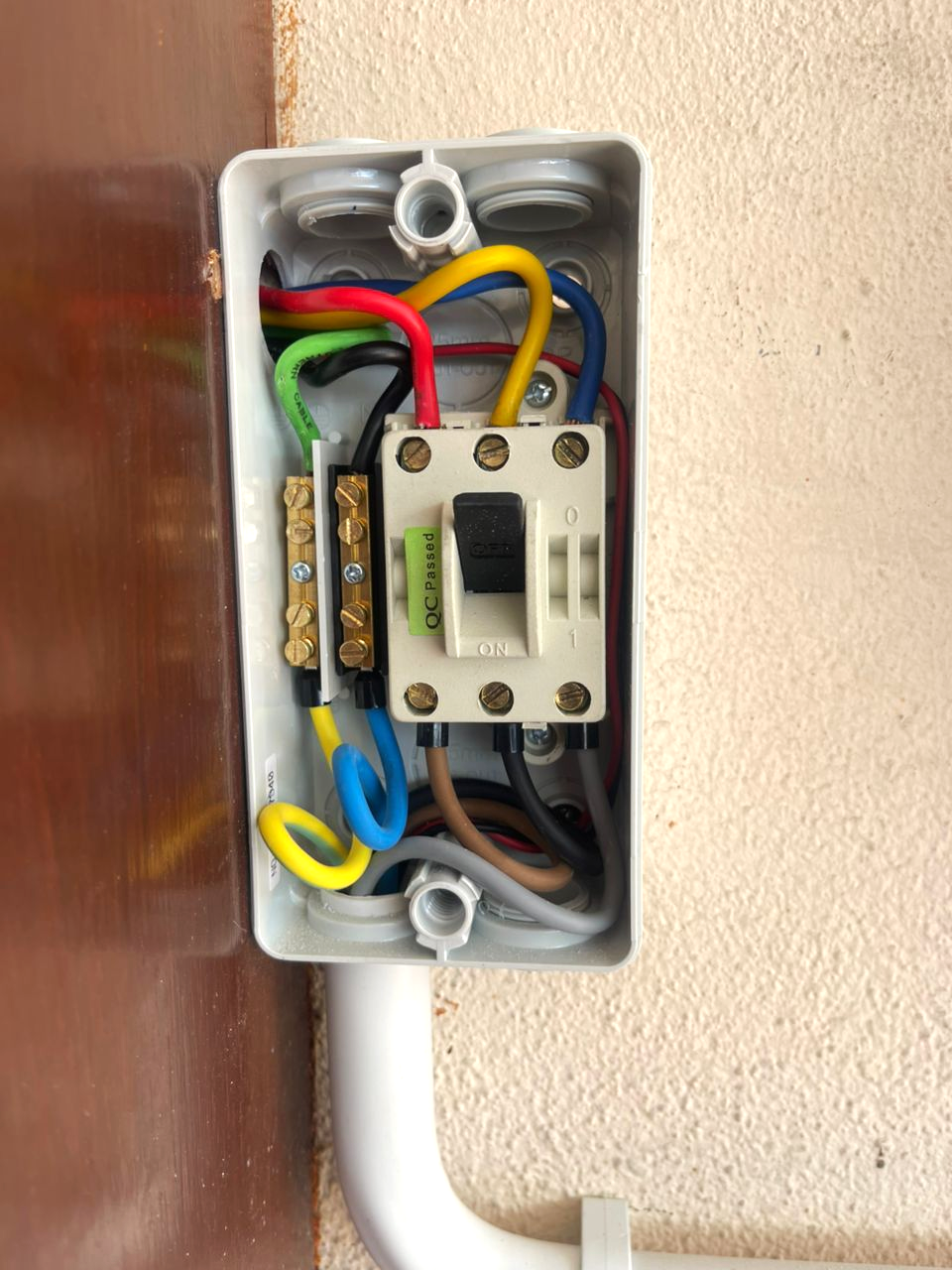
– Avoid extensions, splices, or joints — use a continuous run as required by EVCS 2025 Guidelines.
– Ensure your installation includes a Type A RCCB 40 A/30 mA and a 40 A MCB, matching the cable and charger rating.
– Use ST-registered contractors for design, installation, and certification (Forms G & H).
Closing Thought:
Your EV charger is only as safe as the cable that feeds it. At Innovative Green Power, we standardize all our residential installations with 6 mm² full copper cables, ensuring durability, compliance, and safety — because your home and family deserve nothing less.
Safe and Reliable EV Charging Systems, one at a time.
WhatsApp us: https://wa.me/60125954786