The AC EVSE (Electric Vehicle Supply Equipment) is not just a glorified expensive switch; it is an essential protection and control mechanism in an EV charging system. Beyond simply delivering power, it plays a critical role in ensuring safety, efficiency, and compliance.
—
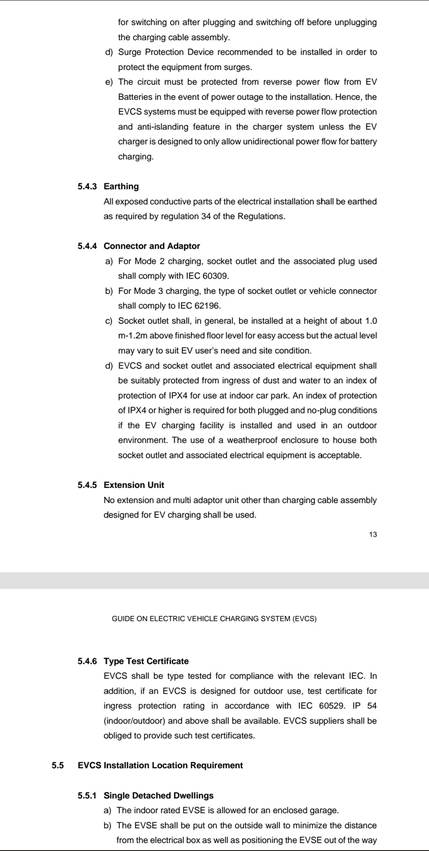
Compliance with Malaysia Suruhanjaya Tenaga Guidelines
Under the Suruhanjaya Tenaga (Energy Commission of Malaysia) guidelines:
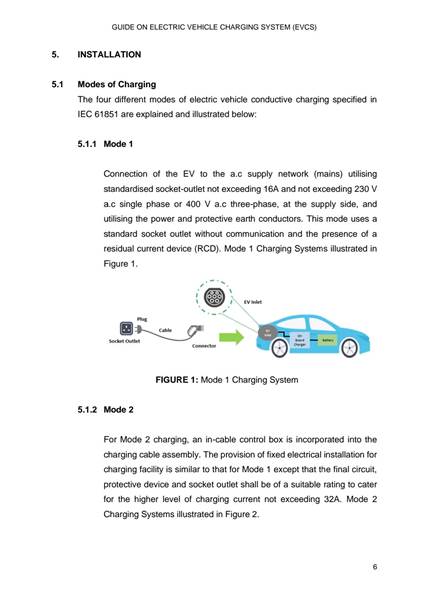
1. Mode 1 Charging: The direct connection of a charging plug to a power source is prohibited due to the lack of built-in protection mechanisms.
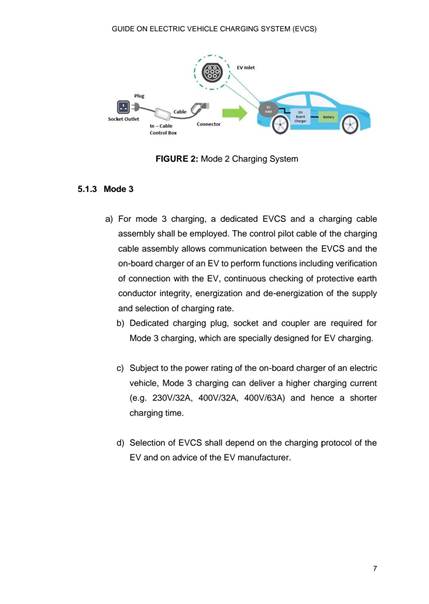
2. Mode 2 Charging (AC Portable Charging): Must include a control box with essential protection mechanisms, such as overcurrent protection, residual current detection, and pilot signaling.
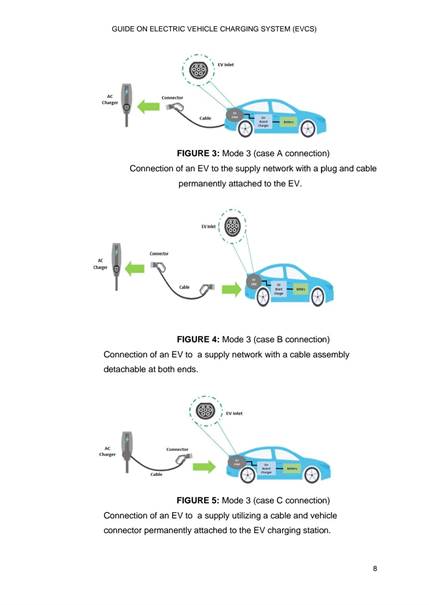
3. Mode 3 Charging (AC Wallbox Charging): Requires a dedicated EVSE with a control box to ensure safe communication with the vehicle and protect both the electrical system and the EV.
These regulations emphasize that EVSEs are more than just power delivery devices; they are integral to ensuring safe and reliable charging.
—
Why the EVSE is Essential
1. Protection Mechanisms
Overcurrent and Overvoltage Protection: Prevents damage to the EV’s onboard charger and home electrical system.
Residual Current Protection: Detects ground faults to prevent electric shock or fire.
Surge Protection: Safeguards against power surges or lightning strikes.
2. Safe Communication with the Vehicle
EVSE communicates with the EV’s onboard charger using a pilot signal (as per IEC 61851 standards). This ensures:
Safe connection before current flow.
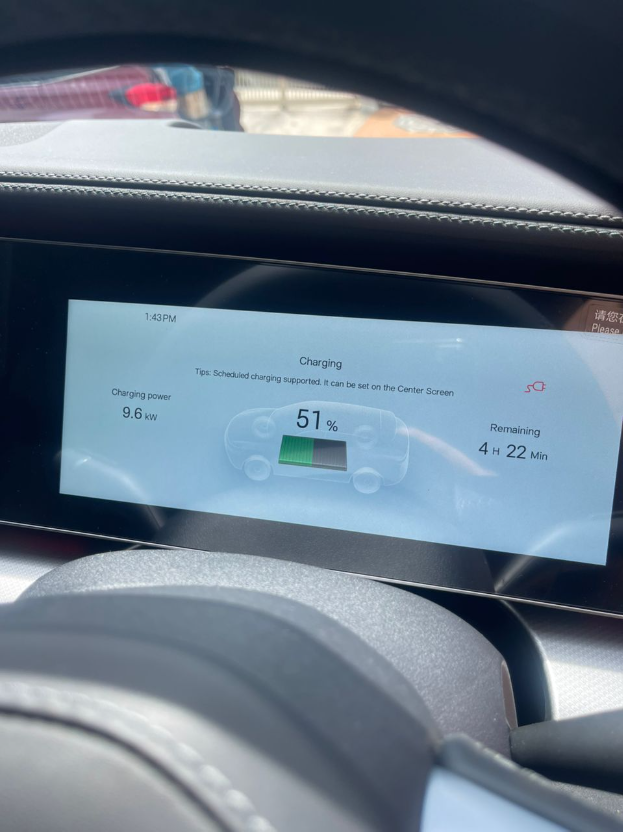
Dynamic adjustment of charging current based on the EV’s capacity.
Proper shutdown in case of faults.
3. Grid and Home Safety
Advanced EVSEs feature home load balancing, which adjusts the EV’s charging current to avoid overloading the home’s electrical system.
This is particularly important in Malaysia, where many older landed homes still operate on single-phase electrical systems.
4. Preventing Unsafe Conditions
EVSE verifies proper grounding, checks for wiring issues, and ensures the charging environment is safe before energizing the circuit.
5. Enhanced Features for Smart Charging
Energy Management Integration: EVSEs can integrate with solar power systems to optimize energy usage and reduce costs.
Remote Monitoring and Control: Many modern EVSEs come with mobile apps that allow users to schedule charging during off-peak hours or monitor energy consumption.
Firmware Updates: High-quality EVSEs can receive software updates to improve functionality and ensure compliance with evolving standards.
—
Addressing Common Misconceptions
“I Can Just Use a Normal Socket”
Relying on a standard household socket without an EVSE is dangerous. Normal sockets aren’t designed for prolonged high-current use, leading to overheating and potential fire risks.
“All EVSEs Are the Same”
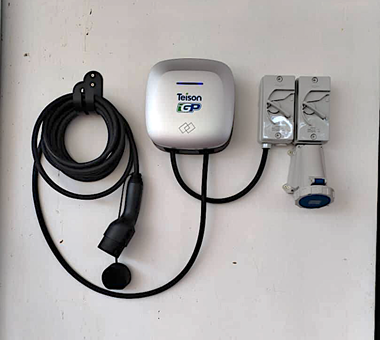
There are significant differences in quality, safety features, and performance between low-quality, generic EVSEs and high-quality units like the Teison-IGP Smart Mini Chargers. Opting for high-quality EVSEs ensures compliance, safety, and durability.
—
Environmental and Economic Impact
Reduced Carbon Emissions: Investing in an EVSE supports Malaysia’s push toward greener transportation by enabling the use of renewable energy for charging.
Long-Term Cost Savings: A quality EVSE reduces maintenance costs, optimizes energy usage, and extends the EV battery’s lifespan by ensuring controlled and balanced charging.
—
Importance of Professional Installation
1. Compliance with Suruhanjaya Tenaga Guidelines
Installing an EVSE requires a certified electrician to ensure compliance with Malaysian regulations and to avoid voiding warranties.
2. Safety Assessments
Professional installation includes:
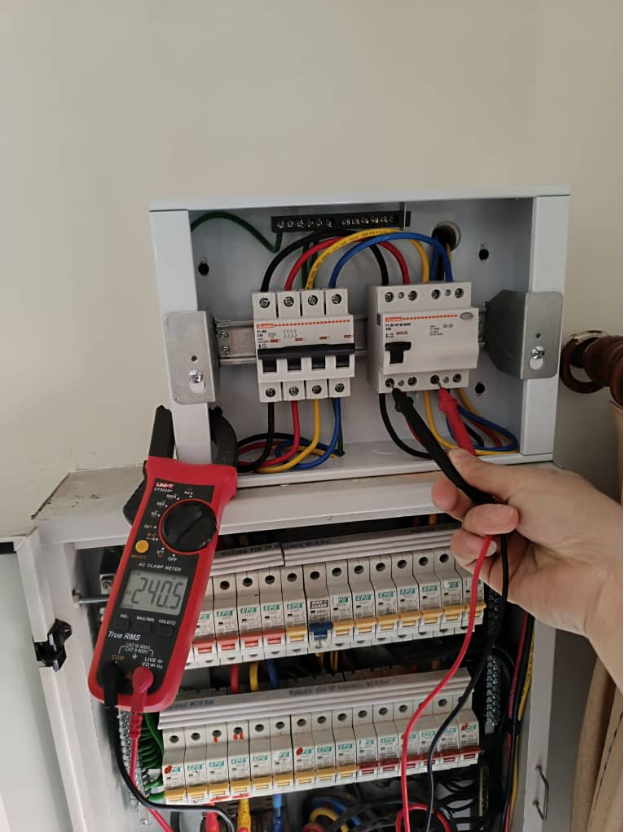
Assessing the home’s electrical capacity.
Verifying proper grounding.
Ensuring appropriate circuit protection.
—
Future-Proofing Your Investment
Vehicle-to-Grid (V2G): Many advanced EVSEs are compatible with future technologies like V2G, allowing EVs to feed electricity back to the grid.
Vehicle-to-Load (V2L): EVSEs can enable EVs to act as power sources during outages.
Scalability: High-quality EVSEs are designed to handle the increasing capacities of newer EV models.
—
Case Study: Addressing Malaysia’s Heat and Humidity
Malaysia’s hot and humid climate can impact charging equipment. High-quality EVSEs, such as the Teison-IGP Smart Mini Chargers, are built with IP-rated enclosures for outdoor installations, ensuring durability and reliability even in harsh weather conditions.
—
Conclusion
In Malaysia, the Suruhanjaya Tenaga guidelines clearly outline the need for proper EVSEs in Mode 2 and Mode 3 charging. An EVSE is far more than a switch—it is an intelligent, essential system that ensures safety, efficiency, and compliance. Investing in a high-quality, certified EVSE and engaging professional installers like Innovative Green Power (IGP) ensures peace of mind and prepares you for future technological advancements.
Images: