By Alvin Wong, CEO of Innovative Green Power Sdn. Bhd.
At Innovative Green Power, we stand by the quality and safety of every EV charger installation we perform. Every system is planned with proper load analysis, installed by licensed professionals, and thoroughly tested. But sometimes, even when everything is done right — something can still go wrong.
In the early hours of 30 April 2025, we received a fire report from one of our residential installation sites in Kampung Pandan Dalam. Here’s what happened, and what we’ve learned.
[View pictures at the bottom of this article]
The Setup: Compliant and Within Limits
The installation was completed on 12 April 2025 at a landed home built several decades ago. The setup included:
- A Smart Mini EV Charger with Home Dynamic Load Balancing, capped at 50A
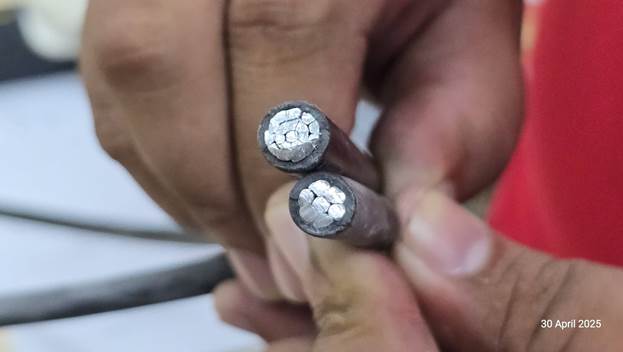
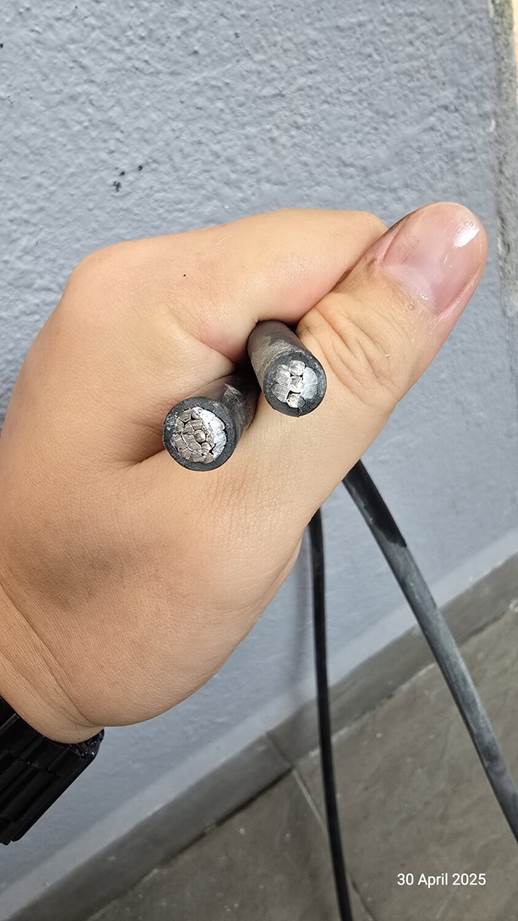
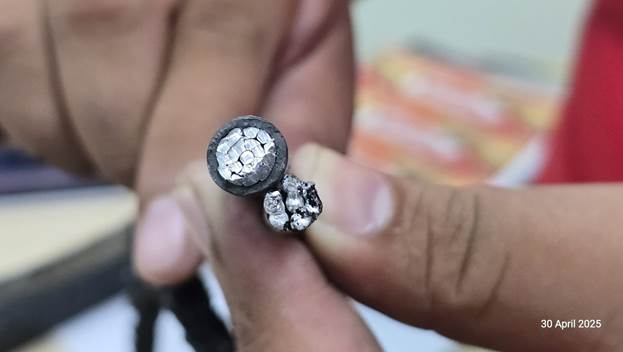
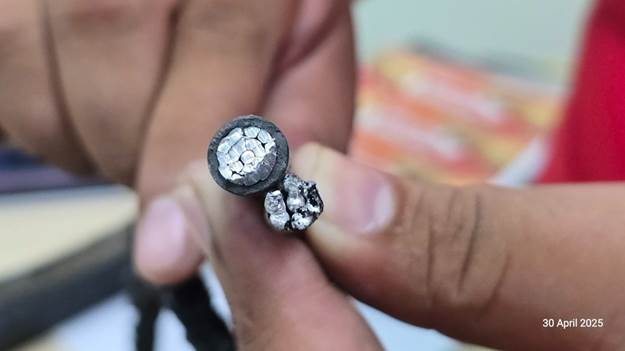
- A 63A main fuse and 25mm² aluminium TNB incoming cable
At the time of the fire:
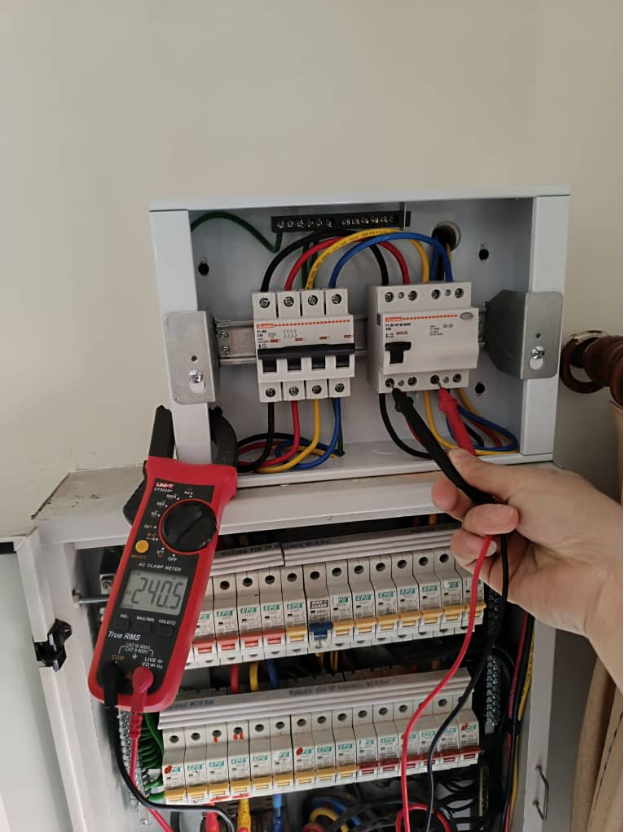
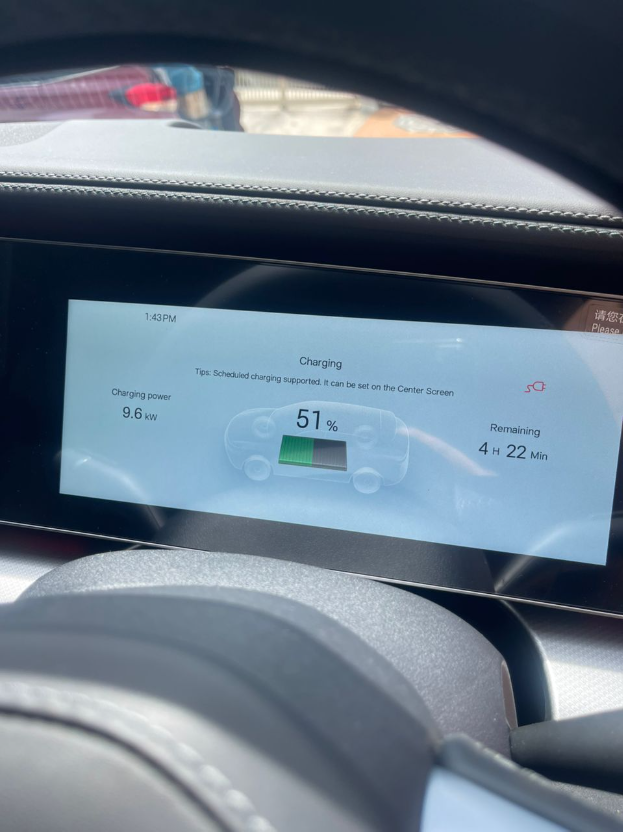
- EV was charging at 6.6kW (~28A)
- One 1HP air-conditioner was running (~5A)
- Total load was approximately 33–40A
This was well within safe operating limits for the supply capacity and within the dynamic limit we configured.
The Incident
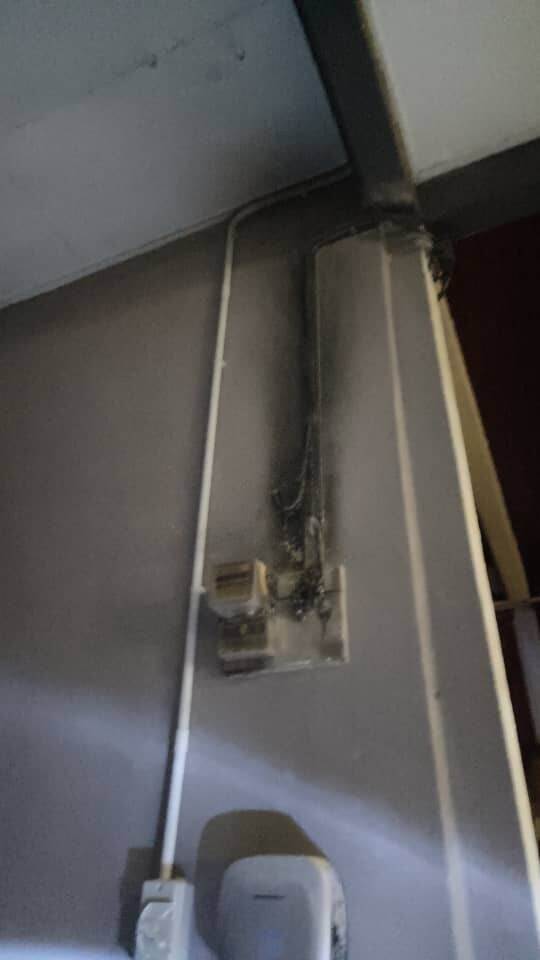
At 12:39 AM on 30 April, the homeowner reported a fire near the meter panel. They were unaware it had started — it was bystanders from a nearby mamak stall who noticed smoke and flames. They ran across the street and used a fire extinguisher from a 7-Eleven to put out the fire before it could spread further.
There were no injuries, and the fire was confined to the electrical intake area.
Our Inspection and Findings
We conducted a site inspection within hours. Here’s what we found:
- The charger was intact, functioning correctly
- Load logs and wiring were normal — no overload, no tripping
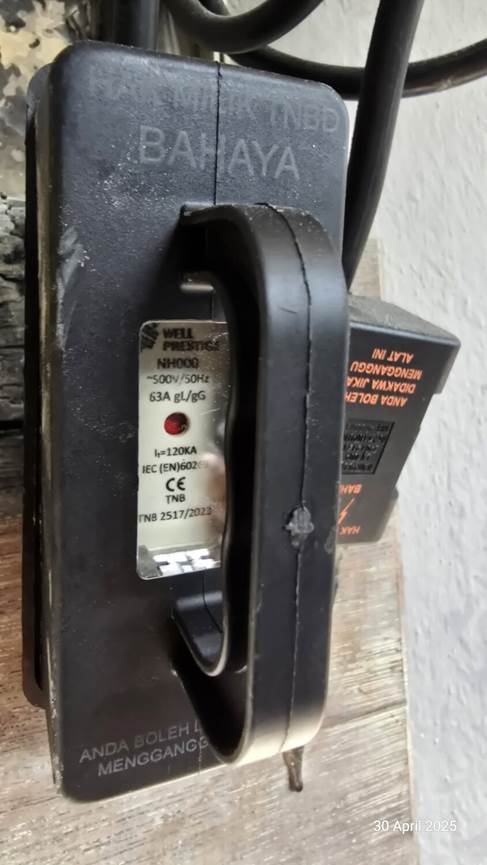
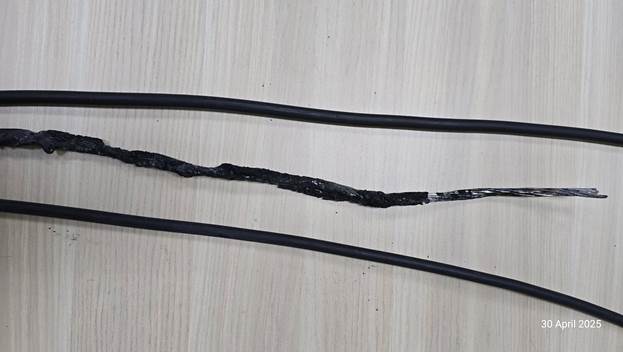
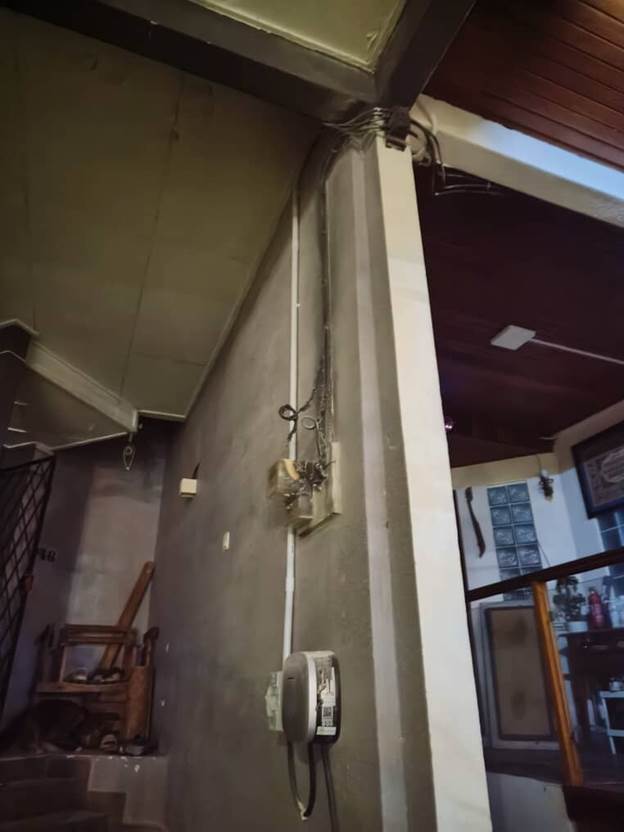
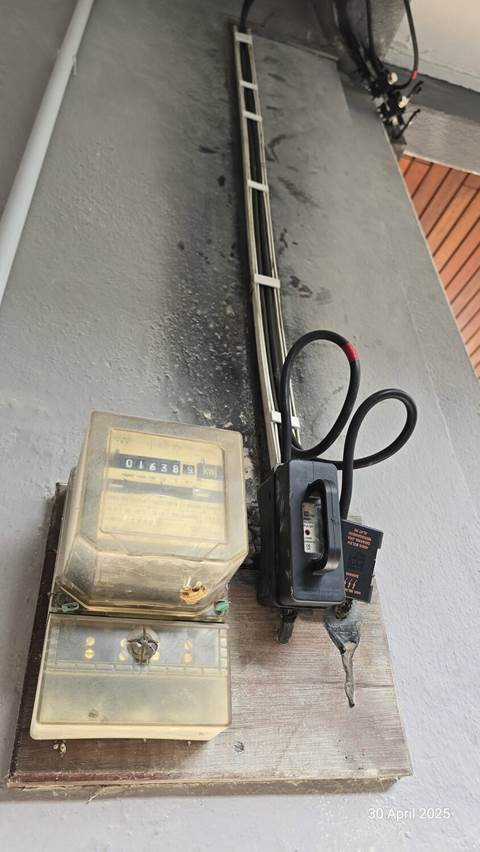
- The fire originated at the fuse casing, where severe charring was visible
- Damage also affected:
What Was Repaired
TNB arrived shortly after and took the following actions:
- Replaced the incoming cables with 35mm² aluminium
- Replaced the fuse casing with a newer specification
- Upgraded the cylindrical fuse to a blade-type fuse
However, the wooden meter panel and the visibly damaged meter remained in place. The homeowner was advised to engage a private electrician for further board upgrades.
What We’re Doing About It
Even though the charger and installation were not at fault, we believe safety is a shared responsibility. We’re taking additional steps to help homeowners spot potential risks early:
Thermal Inspection Add-On
We will be offering a low-cost thermal imaging scan as an optional add-on for future installations.
This includes:
- A thermal image of the fuse/meter area
- Early detection of abnormal heat buildup
- Inclusion in your installation documentation
Thermal Safety Checks for Existing Homes
We are also preparing a standalone thermal inspection service for:
- Existing IGP customers
- Homes with other charger brands
- Any homeowner concerned about aging electrical components
This quick scan helps reveal hidden high-resistance points, which may overheat without ever triggering the fuse.
Why This Matters
This incident wasn’t caused by the charger. It wasn’t caused by misuse. It happened because parts of the electrical intake system were simply too old to handle modern demand — even when the demand was modest and within limits.
As homes start to adopt EVs, the weakest link in the electrical chain may no longer be inside your home — it might be just outside, at the fuse casing or meter board.
We believe in educating, supporting, and empowering every customer to make safer decisions. That’s our responsibility, and we take it seriously.