When EV owners begin comparing home chargers, the first specification they usually look at is the power rating.
For most Malaysian homes, this number is often 7kW, which corresponds to a single-phase 32A charging system.
At first glance, this makes many chargers appear almost identical.
If two chargers both say 7kW, it is easy to assume they will perform the same.
In reality, the power rating tells only a small part of the story.
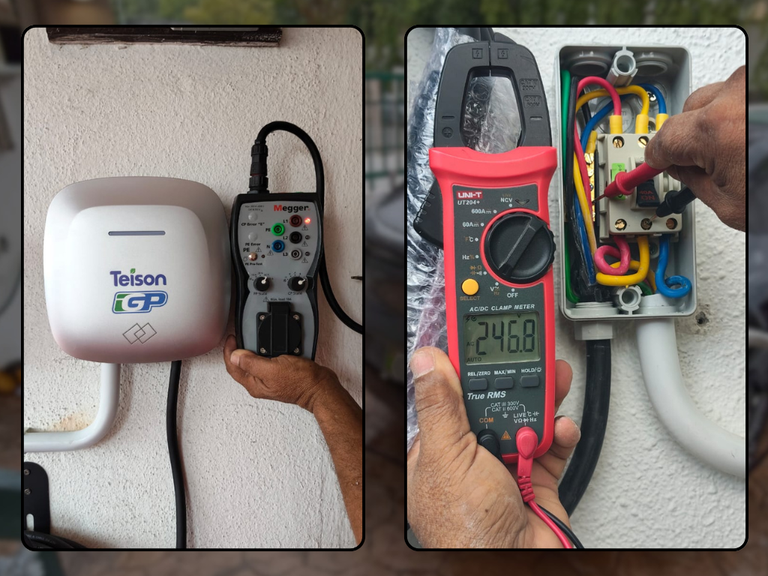
Behind the same rating, chargers can differ significantly in internal design, protection systems, reliability, and long-term performance.
Understanding these differences helps homeowners choose a charger that will operate safely and reliably for many years.
The Power Rating Only Describes Maximum Output
A charger’s kW rating simply indicates the maximum power it can deliver to the vehicle.
For example:
- Single-phase 32A ≈ 7.4kW
- Three-phase 16A ≈ 11kW
- Three-phase 32A ≈ 22kW
However, the rating does not describe how the charger behaves under real-world conditions, such as:
- long charging sessions
- electrical fluctuations
- thermal stress
- interaction with household loads
These factors depend on the quality of the charger’s internal design.
EV Chargers Operate Under Continuous Load
EV chargers are not used the same way as most household appliances.
According to IEC 61851-1, EV charging systems are classified as continuous electrical loads, meaning they may operate at high current for extended periods.
A typical overnight charging session can last 6 to 8 hours.
This sustained current places thermal stress on components such as:
- power relays
- internal wiring
- protection devices
- cooling systems
Well-designed chargers are built to manage this stress consistently.
Lower-quality designs may operate normally at first but deteriorate faster over time.
Internal Components Matter More Than Appearance
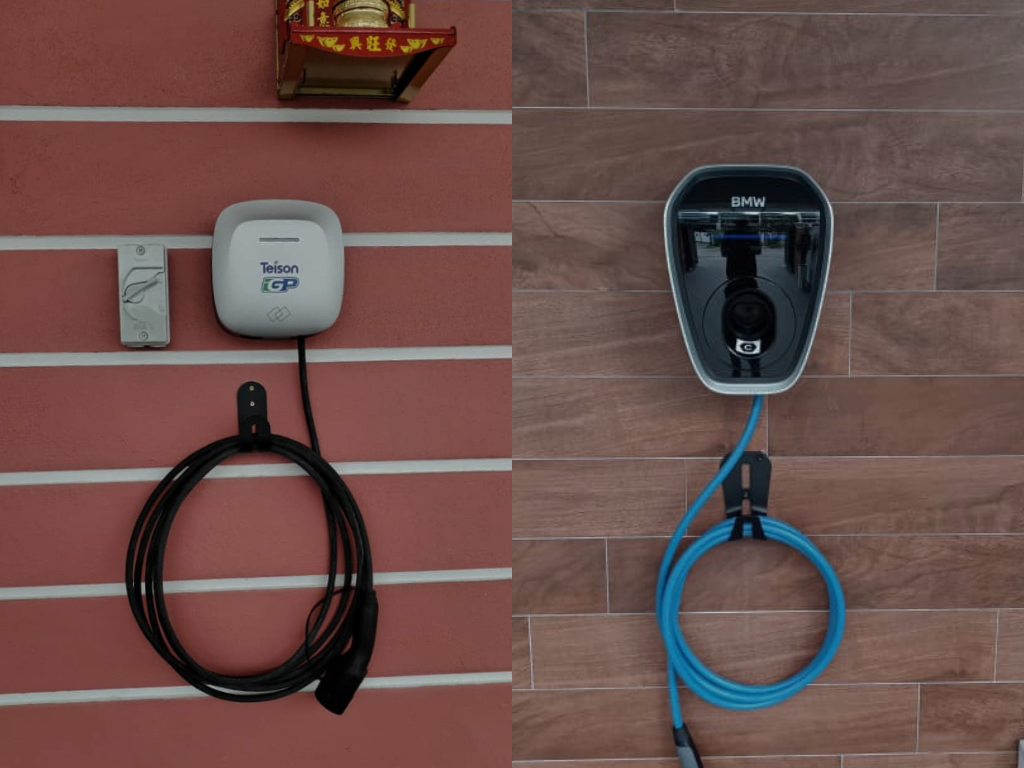
From the outside, most chargers look similar.
The differences are usually found inside the charger, where the electrical components are located.
Important design elements include:
- contactor quality
- internal cable sizing
- protection circuitry
- thermal management
- circuit board reliability
These components determine whether the charger can safely operate at its rated current for thousands of charging cycles.
High-quality chargers are designed to maintain stable operation even under demanding conditions.
Electrical Protection Is a Key Safety Factor
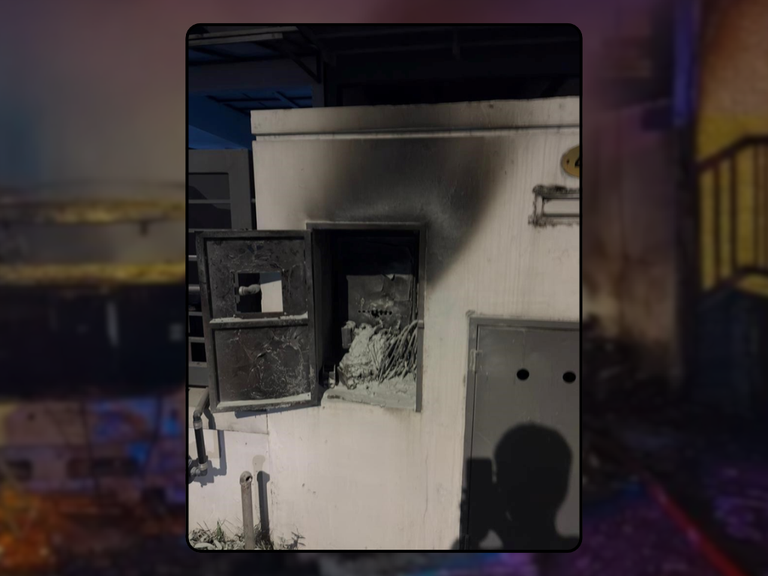
EV chargers also incorporate several electrical protection systems.
These protections help detect and manage potential electrical faults during charging.
Typical protections may include:
- overcurrent protection
- temperature monitoring
- ground fault detection
- DC leakage detection
These safety systems are important because EV charging involves direct electrical interaction between the home and the vehicle.
Standards such as IEC 61851-1 and IEC 62955 define requirements for safe EV charging operation, including the detection of DC leakage currents that may occur during charging.
Chargers designed to comply with these standards include safety mechanisms that protect both the electrical installation and the vehicle.
Smart Features Improve System Stability
Modern chargers also include smart features that improve the stability of the charging system.
Examples include:
- dynamic load balancing
- adjustable charging current
- scheduled charging
- communication with mobile applications
These functions allow the charger to adapt to the home’s electrical environment rather than simply operating at maximum output all the time.
This helps maintain a stable electrical system while still delivering reliable charging performance.
Reliability Is a Long-Term Consideration
EV chargers are not temporary devices.
Most homeowners expect their charger to operate reliably for many years, potentially supporting multiple vehicles during its lifespan.
Because EV charging occurs frequently and often overnight, reliability becomes an important factor.
Choosing a charger built with robust components and proper protection systems helps ensure the installation remains dependable over time.
Charger Selection Should Match Installation Quality
Even the best charger cannot perform properly if the surrounding electrical system is poorly designed.
A complete EV charging system involves:
- properly sized cables
- appropriate protection devices
- safe installation practices
- compliance with electrical standards
This is why charger selection and installation planning are often done together after a home inspection.
By understanding the home’s electrical conditions, the installer can recommend a charger that integrates safely with the system.
Planning Early Leads to Better Decisions
Selecting a charger early in the EV ownership journey allows homeowners to make informed decisions without rushing.
Once the charger and installation plan are confirmed, the installation can be scheduled efficiently when the vehicle delivery date is known.
This preparation ensures that the home charging system is ready when the EV arrives.
IGP’s Safety Principle
IGP enforces high standards as a deliberate benchmark to maximise safety in residential EV charging.
Because a home is not just an electrical installation—it is where lives and livelihoods are protected.
EV charging should be an upgrade to modern living, not a compromise in safety.
Let our obsession with quality protect your safety.
Because when it comes to EV charging and electrical systems, there’s no room for compromise.
Need your EV charger or electrical setup professionally inspected?
📞 WhatsApp Us: https://wa.me/60125954786
Stay connected with us:
🔹 Instagram: https://www.instagram.com/InnovativeGreenPowerMY
🔹 Facebook: https://www.facebook.com/innovativegreenpower
🔹 YouTube: https://www.youtube.com/@IGPEVCharging-ir8rv
🌍 Website: https://www.innovativegreenpower.com