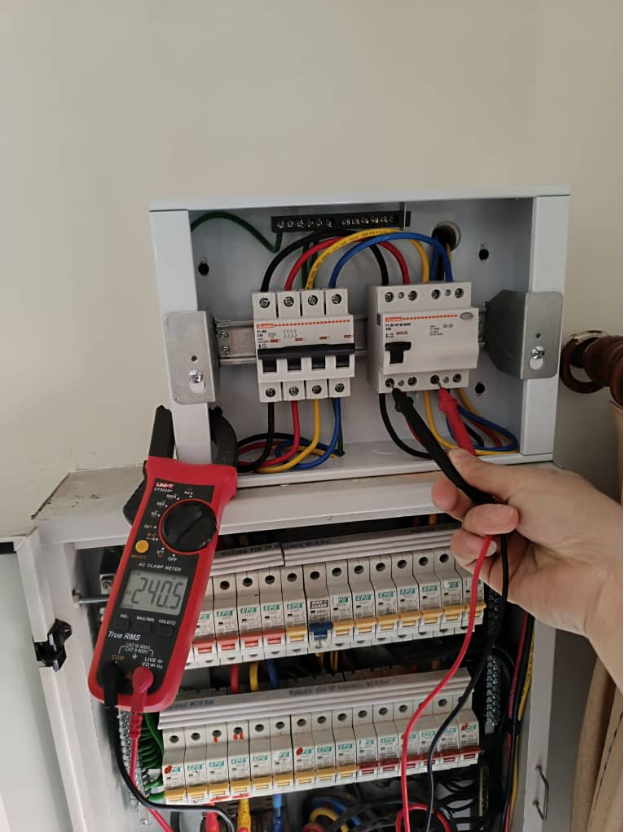
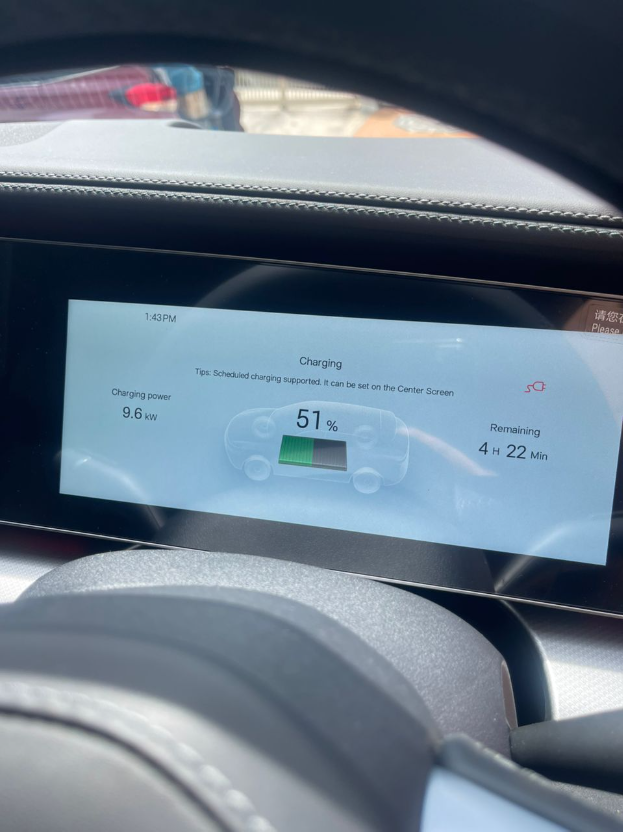
Using extension cords, whether in the form of 3-pin socket extensions or Type 2 cable extensions, for EV charging is generally unsafe and strongly discouraged. Here’s why, with supporting facts and references to electrical standards:
1. Risk of Overheating
Explanation: Most consumer-grade extension cords are not designed to handle the continuous high current demand of EV chargers. Prolonged use can lead to overheating, melting insulation, and potentially fires.
Facts: EV chargers typically draw between 10A to 32A (for home charging setups). Many standard extension cords are rated for 10A or 13A maximum, and even those rated for higher currents might not handle the sustained load required for EV charging.
Standards:
IEC 60309 recommends using industrial-grade connectors for loads above 16A to ensure durability and safety.
IEC 62196 (the standard for Type 2 EV connectors) requires cables and connectors to meet specific current and voltage ratings for continuous use.
2. Voltage Drop
Explanation: Extension cords add length to the electrical path, increasing resistance and causing voltage drops. Voltage drops reduce charging efficiency and can damage both the charger and the EV’s electrical systems.
Facts: A voltage drop of more than 5% is considered unsafe (as per IEEE 141). Extension cords often exceed this threshold due to their smaller conductor size and longer length.
Standards:
IEC 60364-5-52 specifies conductor sizing to avoid excessive voltage drops and overheating, which standard extension cords often fail to meet.
3. Lack of Grounding Integrity
Explanation: Many extension cords have inadequate grounding or loose connections, leading to shock hazards.
Facts: EV chargers rely on a robust grounding system to protect users from electrical faults. A compromised ground connection can result in electric shock or failure of the EV’s onboard safety systems.
Standards:
IEC 60364-4-41 requires proper grounding for all equipment to prevent shock hazards.
IEC 61851 mandates safety checks for grounding before initiating a charge.
4. Incompatibility with EV Charging Safety Features
Explanation: EV chargers are equipped with safety features like Ground Fault Circuit Interrupters (GFCIs) and Residual Current Devices (RCDs). Extension cords can interfere with these safety features by introducing resistance or delay in fault detection.
Facts: The additional connections in an extension cord increase the likelihood of poor contact and resistance, which may cause RCDs or GFCIs to fail.
Standards:
IEC 61851-1 requires RCDs in EV chargers to protect against residual currents, which may not work correctly with extension cords.
5. Type 2 Gun Cable Extensions Are Not Standardized
Explanation: Type 2 cables are specifically designed to carry high currents safely. Adding an extension introduces extra connections, which are potential points of failure.
Facts: There are no standardized or approved extensions for Type 2 cables under IEC 62196. Using nonstandard extensions may void warranties and compromise safety.
Standards:
IEC 62196-2 explicitly disallows modifications or extensions to Type 2 cables without proper compliance testing.
6. Reduced Weatherproofing
Explanation: Extension cords often lack the IP (Ingress Protection) rating required for outdoor EV charging, exposing them to water ingress and creating shock or fire hazards.
Facts: EV chargers and cables are typically rated IP54 or higher, while consumer-grade extension cords may only be IP20 or lower, meaning they are unsuitable for wet environments.
Standards:
IEC 60529 specifies IP ratings required for outdoor equipment, which most extension cords fail to meet.
Conclusion:
Using an extension cord for EV charging, whether a 3-pin socket extension or a Type 2 cable extension, introduces multiple safety risks including overheating, voltage drops, inadequate grounding, and failure of critical safety features. Electrical standards such as IEC 60364, IEC 61851, and IEC 62196 emphasize the use of purpose-built charging cables and equipment to ensure safety and compliance.
For safe EV charging:
- Always use the original charging equipment.
- Ensure the socket outlet is directly wired and rated for the required load.
- Avoid any unauthorized modifications or extensions to charging cables.