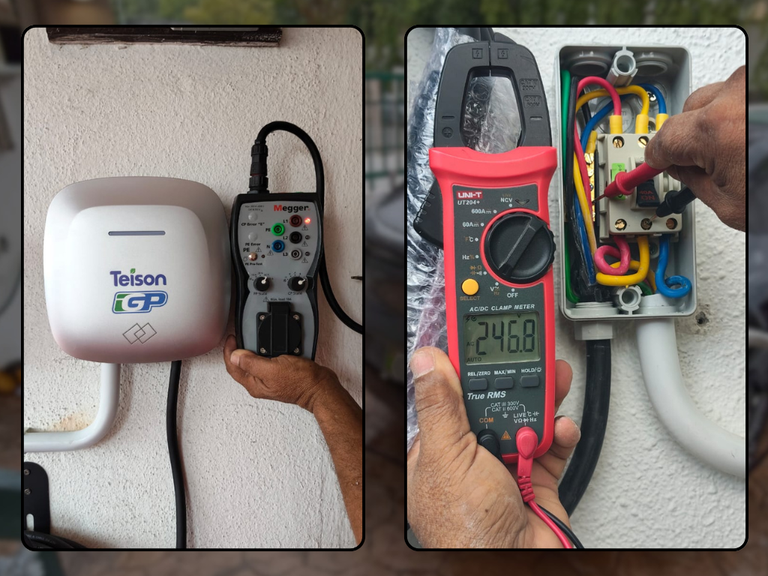
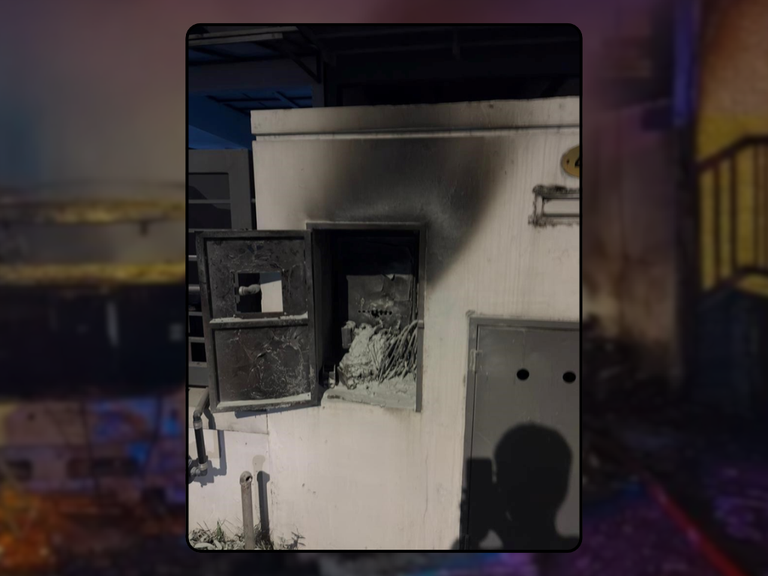
EV chargers are designed to deliver high power efficiently, but they also introduce new electrical safety challenges that many homeowners and businesses may not be aware of. One of these challenges is RCD blinding, a condition that can render your Residual Current Device (RCD) ineffective, exposing you to electric shock and fire risks.
To prevent this, RDC-DD (Residual Direct Current Detecting Device) plays a crucial role in maintaining safety. In this article, we’ll explain:
What RCD blinding is and how it happens
How RDC-DD prevents this problem
Why your EV charger’s internal protection matters for safety and compliance
________________________________________
What is RCD Blinding?
An RCD (Residual Current Device) is a safety device that trips the power supply if it detects leakage currents, preventing electric shocks and fires. However, not all RCDs can detect DC leakage currents, which is where the risk of blinding comes in.
RCD blinding occurs when a Type A RCCB (the standard required by Suruhanjaya Tenaga for EV charger installations) is exposed to a smooth DC leakage current of 6mA or more.
When this happens:
The Type A RCCB stops detecting AC faults
Your electrical protection becomes non-functional
You are left unprotected from shock or fire hazards
This issue is particularly concerning for EV chargers because some electric vehicles and their onboard chargers can generate small DC leakage currents during charging. If these currents saturate the core of a Type A RCCB, it loses sensitivity to AC faults—leading to a false sense of safety.
This is why ensuring your EV charger has the right protection is critical!
________________________________________
How RDC-DD Prevents RCD Blinding
To counteract the risks of DC leakage and RCD blinding, RDC-DD (Residual Direct Current Detecting Device) is used in EV chargers.
What is RDC-DD?
RDC-DD is a 6mA DC leakage detection device that continuously monitors the charger’s output. If it detects DC leakage currents of 6mA or more, it automatically stops the charging process, preventing RCD blinding and ensuring the Type A RCCB remains effective.
How Does RDC-DD Work?
Monitors for smooth DC leakage currents
If DC leakage ≥ 6mA, the EV charger shuts down automatically
Prevents DC from reaching the installation circuit, keeping the Type A RCCB functional
If your EV charger has a built-in RDC-DD, you can use a standard Type A RCCB (30mA) for installation. If it doesn’t, an external AC30mA + DC6mA RCD or a Type B RCD is required to ensure protection.
________________________________________
What Happens If Your EV Charger Lacks RDC-DD?
If your EV charger does not have RDC-DD, you must install additional safety measures in the installation circuit to avoid unprotected DC faults.
Option 1: Install an AC30mA + DC6mA RCD (Type A + RDC-DD)
This setup adds an external DC leakage detection device to a Type A RCCB, ensuring proper fault detection.
More affordable than a Type B RCD, but still meets safety requirements.
Option 2: Use a Type B RCD
A Type B RCD detects both AC and DC faults, providing full leakage protection.
However, it is significantly more expensive than a Type A RCCB + RDC-DD setup.
The best option? Choose an EV charger that already includes a built-in 6mA RDC-DD, like the Teison-IGP Smart Mini series, so you don’t have to install extra protection.
________________________________________
Best Practices for a Safe EV Charger Installation
Check your EV charger’s specifications – If it lacks built-in RDC-DD, additional protection is required.
Follow Malaysian electrical safety guidelines – Suruhanjaya Tenaga (ST) regulations require at least a Type A RCCB, but DC leakage protection must also be addressed.
Work with a qualified EV charger installer – Avoid dangerous setups by ensuring compliance with safety standards.
At Innovative Green Power (IGP), we provide safe, compliant EV charger installations with the right RCD protection for worry-free charging.