By Alvin Wong, CEO of Innovative Green Power Sdn. Bhd.
As EV adoption picks up speed across Malaysia, homeowners are increasingly installing home EV chargers for convenience, energy savings, and long-term sustainability. But while many focus on picking the right charger, few give enough attention to one small but powerful piece of protection: the Surge Protection Device (SPD).
Let’s break down what an SPD is, why it matters for your home EV setup, and how it differs from other essential protection devices like MCBs and RCCBs.
What Is an SPD?
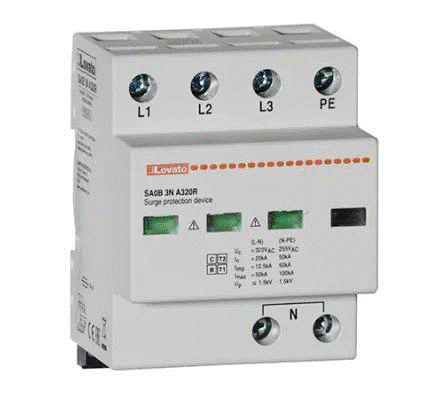
An SPD (Surge Protection Device) is designed to guard your electrical system—and your EV charger—from voltage surges, also known as transient overvoltages.
Where do these surges come from?
- Lightning strikes (even ones that don’t hit your home directly),
- Power grid switching by utility providers like TNB,
- Equipment switching within your home, like water pumps or air conditioners.
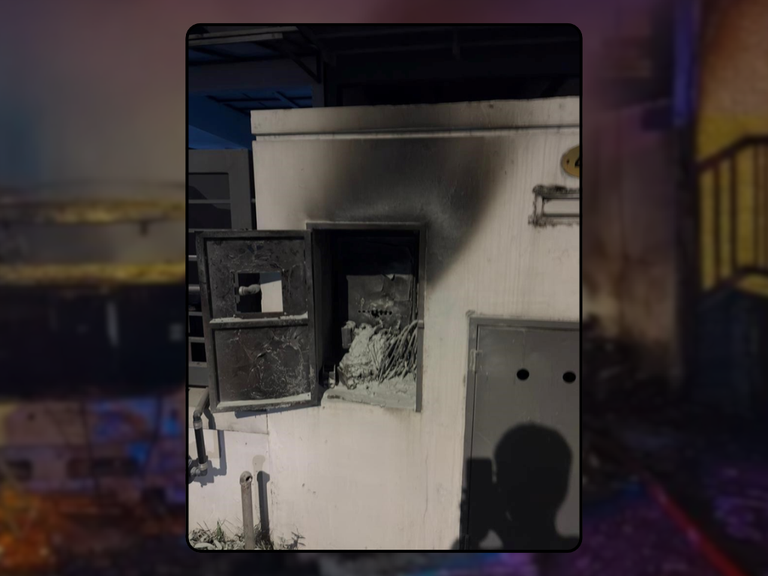
These spikes may last just milliseconds, but they can cause permanent damage to sensitive devices like EV chargers or even your car’s onboard electronics. That’s where the SPD comes in.
How Does an SPD Work?
Think of an SPD as a pressure relief valve for electricity. It’s installed at your home’s distribution board and sits quietly in the background—until a surge occurs. When it detects a sudden rise in voltage beyond safe limits, it kicks in instantly and diverts the excess energy safely to ground.
This prevents the surge from reaching your EV charger, your car, or any other connected equipment.
For home setups, a Type 2 SPD is most appropriate. It’s designed to handle residual energy from lightning or power fluctuations and is the industry standard for residential charging safety.
SPD vs MCB vs RCCB: What’s the Difference?
Many homeowners assume that standard protections like MCBs and RCCBs are enough—but these devices serve different purposes.
See the table in the pictures section.
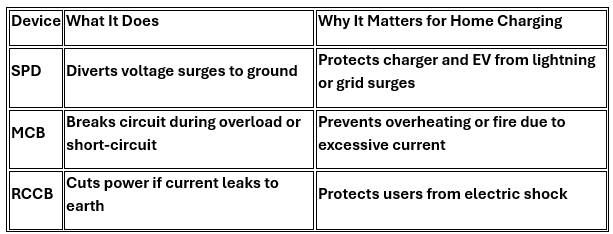
Important: These devices work together, not in isolation. An SPD won’t trip during a short circuit, and an MCB won’t protect against surges. You need all three for a truly safe and code-compliant home charging setup.
Why Is an SPD Crucial for Home EV Chargers?
Your EV charger isn’t just a power socket—it’s a smart, sensitive device with internal electronics, communications modules, and often Wi-Fi/Bluetooth connectivity. It’s also directly connected to your vehicle.
Without an SPD:
- A single lightning surge can destroy your RM5,000–RM10,000 charger.
- Repairs or replacements may not be covered by warranty.
- Your EV’s battery management systems could be at risk.
- You could face downtime, safety hazards, or worse.
Malaysia’s tropical climate and frequent thunderstorms make surge protection a must-have, not a luxury.
Installation Tips
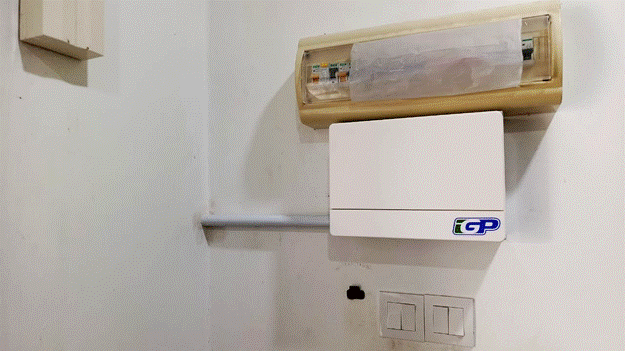
- Install the SPD in the same DB (distribution board) that feeds your EV charger.
- Make sure it’s a Type 2 SPD, rated appropriately for your home’s supply.
- Always combine it with an MCB and RCCB.
- Hire a licensed electrical contractor who understands MS IEC standards and EV safety.
Is It Legally Required?
According to IEC 60364-7-722 (the international standard for EV charging installations), surge protection is recommended in residential environments where:
- Lightning is frequent (true for most of Malaysia),
- Overhead power lines are present,
- Or where the EV charger is a high-value asset (which they are).
So while not always enforced, it is very much expected in professional-grade installations.
Final Word
A Surge Protection Device is small, affordable, and invisible once installed—but its benefits are massive. If you’re investing in an EV and a charger, don’t cut corners on protection. You wouldn’t buy a luxury car and skip the insurance, right?