By Alvin Wong, CEO of Innovative Green Power Sdn. Bhd.
In EV charger installations, the safety and reliability of your electrical protection system are only as good as the components behind it. One question that often comes up is:
Why does Innovative Green Power (IGP) use 4-pole MCBs when many other installers don’t?
Let’s break it down.
What is a 4-Pole MCB?
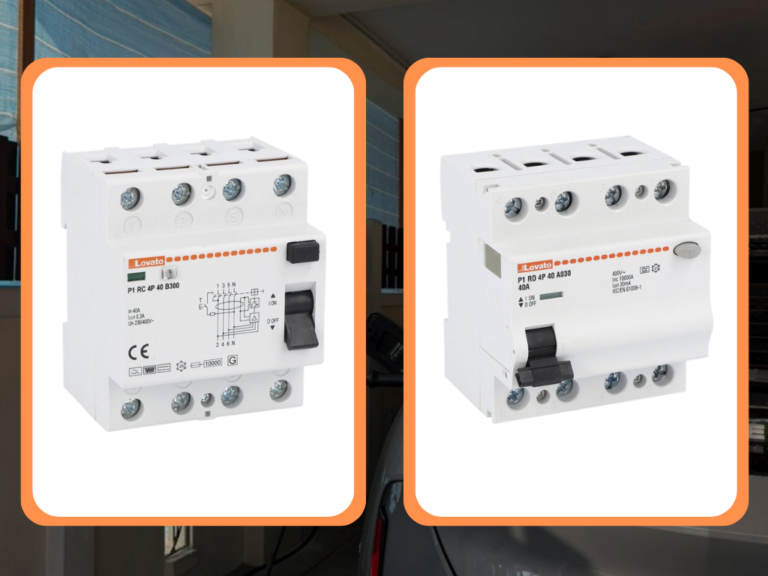
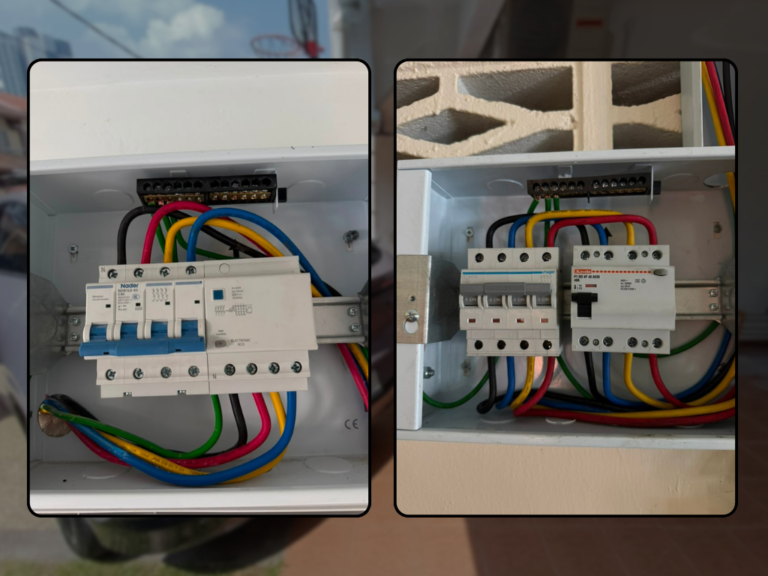
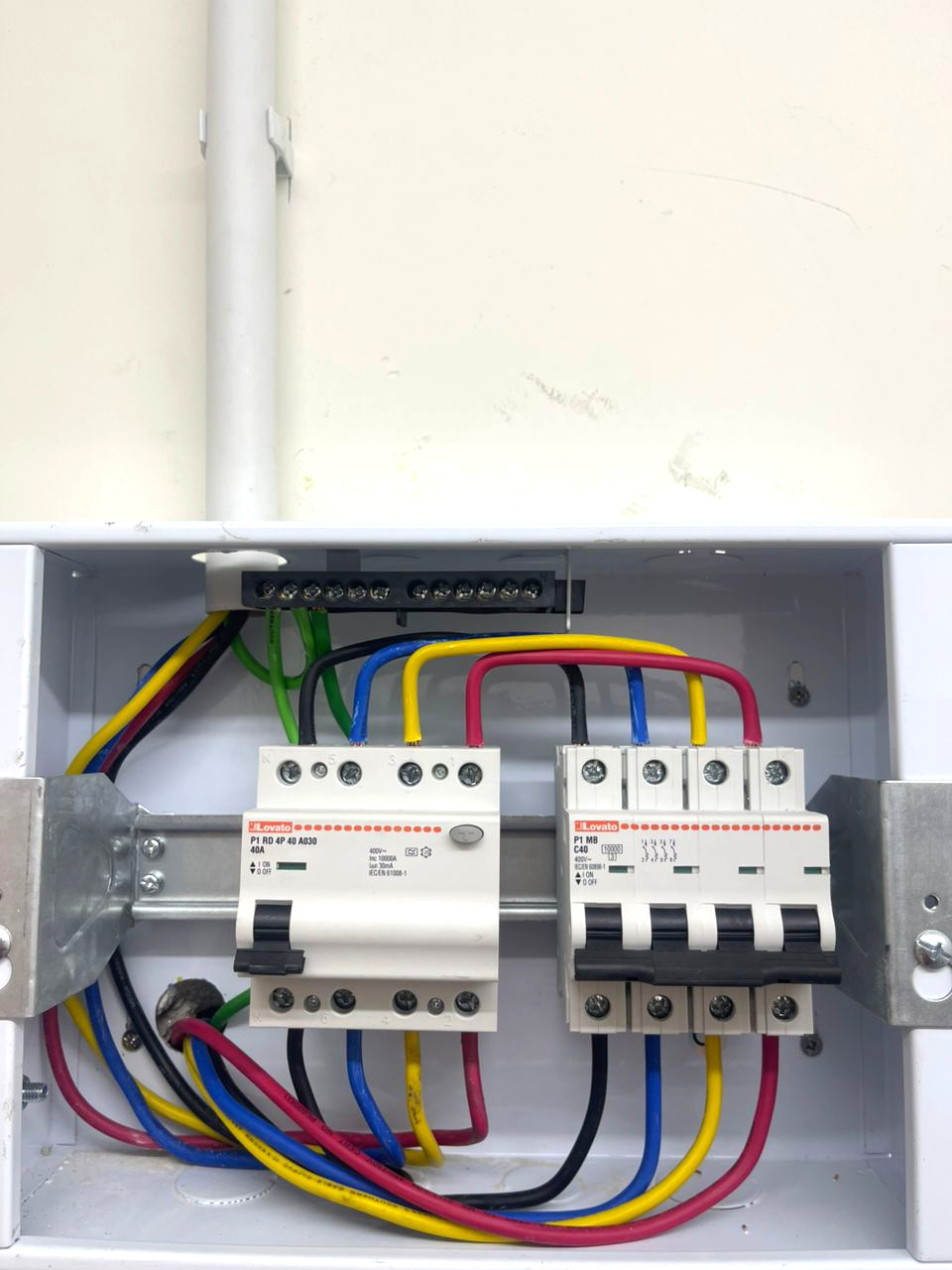
A Miniature Circuit Breaker (MCB) is designed to protect your electrical circuits against overloads and short circuits. While single- and double-pole MCBs protect only the phase lines, a 4-pole MCB disconnects all conductors — three phases and the neutral — simultaneously during a fault.
For EV charging, this matters more than most people realize.
Why We Use 4-Pole MCBs
1. Full Isolation and Safety
A 4-pole MCB ensures that when a fault occurs, both the phases and neutral are isolated together. This prevents dangerous backfeed or floating neutral conditions that could cause shocks or damage your EV charger.
For consumers, this translates into an extra layer of safety — particularly important for expensive EVSE equipment and the vehicle battery system it connects to.
2. Neutral Fault Protection
Not all faults happen on the phase conductors. A loose or faulty neutral connection can create serious imbalances, leading to overheating, equipment damage, or even fire.
By switching the neutral alongside the phases, a 4-pole MCB addresses a risk that 2- or 3-pole units simply cannot.
3. Regulatory and Technical Best Practice
While not always mandated, the use of 4-pole protection is increasingly recognized as best practice in EV charging installations — especially in three-phase environments where load balancing and fault protection must be precise.
At IGP, we take the position that compliance should be the baseline, not the goal. We go beyond compliance to deliver true protection.
4. Better Compatibility with Modern EVSE
Smart EV chargers with load management and solar integration features demand stable and safe input. A 4-pole breaker ensures a cleaner cut-off during faults, reducing the risk of damage to sensitive electronics inside the EVSE.
Why Some Installers Don’t Use 4-Pole MCBs
Despite its clear advantages, you’ll notice many installers skip the 4-pole option. Here’s why:
1. Cost Savings
A 4-pole MCB is more expensive than a 2- or 3-pole unit. For budget-focused installations, some contractors cut costs by leaving out the extra protection.
2. Lack of Awareness
Not every installer keeps up with the evolving best practices in EVSE protection. Many treat EV charger installations like ordinary air-conditioner or water heater wiring, overlooking the unique load and safety requirements.
3. Faster, Simpler Installations
A 4-pole MCB requires careful panel design, slightly more wiring, and sometimes a larger enclosure. Installers chasing speed over quality may choose the path of least resistance.
4. Assumption That ‘Standard is Enough’
Some installers believe that since guidelines don’t explicitly mandate a 4-pole breaker in every case, a 2- or 3-pole solution is “good enough.” At IGP, we believe “good enough” is never good enough when safety is on the line.
The IGP Standard
When you trust Innovative Green Power with your EV charger installation, you’re not just paying for the box on the wall. You’re investing in the unseen layers of safety that protect your home, your car, and your family.
That’s why we use 4-pole MCBs — not because we have to, but because we believe your safety deserves nothing less.
Let our obsession with quality protect your safety.
Because when it comes to EV charging and electrical systems, there’s no room for compromise.