1. Introduction
Living in a condo doesn’t mean you can’t charge your EV at home—but it does require more planning than in landed properties. Shared infrastructure, limited power capacity and management approvals all play a role in determining whether you can install a charger and how the process works.
2. Management Approval Is Mandatory
In stratified buildings, you must get approval from your Joint Management Body (JMB) or Management Corporation (MC). According to the Strata Management Act, residents must apply through their committee, and the committee should consider applications reasonably and in good faith. The management cannot impose a blanket ban or delay decisions indefinitely. Discussion and consensus are key, so start by raising your proposal with the committee.
3. Check Your Supply and Load Capacity
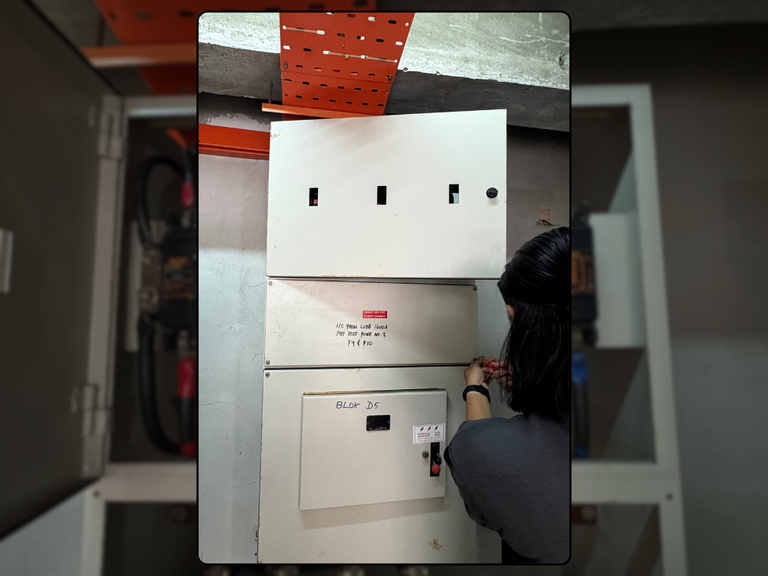
Condos typically have a single-phase supply that supports loads up to 10 kW. Before installing a wallbox, a qualified contractor should inspect your distribution board, calculate total household load and determine whether your building can accommodate the added demand. For older buildings or those with limited power, low-power options like 3.3 kW chargers may be recommended to avoid overloading.
4. Use Certified Installers and Equipment
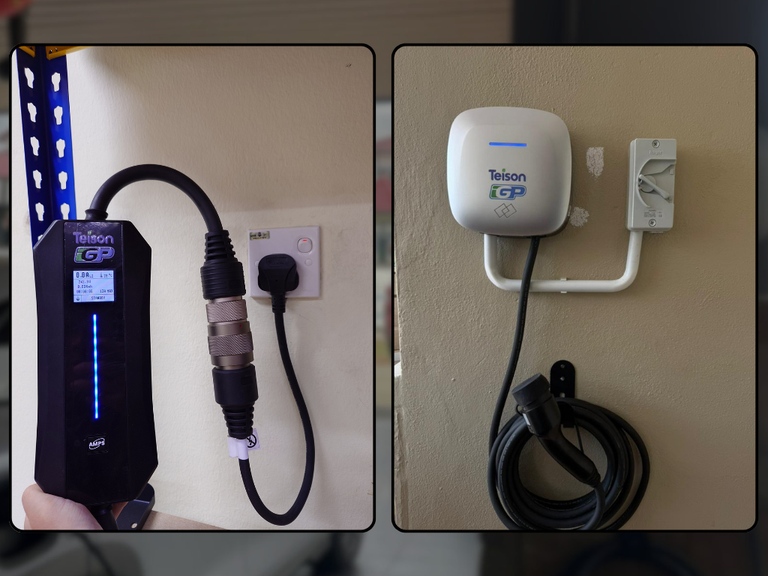
TNB and Suruhanjaya Tenaga (ST) advise using certified installers and approved equipment. Each household’s electrical load must be assessed before installation. The charger must be connected via a dedicated circuit with appropriately sized cables and a 30 mA residual current device (RCD). Avoid DIY shortcuts like tapping from the meter or plugging into a 13 A socket, which are unsafe and prohibited.
5. AC vs DC Chargers
High-rise buildings usually opt for AC chargers because they draw less power and are cheaper to install. DC fast chargers cost four to five times more, have stricter safety requirements and make sense only in public spaces. Experts note that if your car is parked overnight, there’s little benefit in paying extra for a charger that completes charging in 30 minutes. The real safety risk comes from improper installation and poor cabling.
6. Plan Ahead for the Building
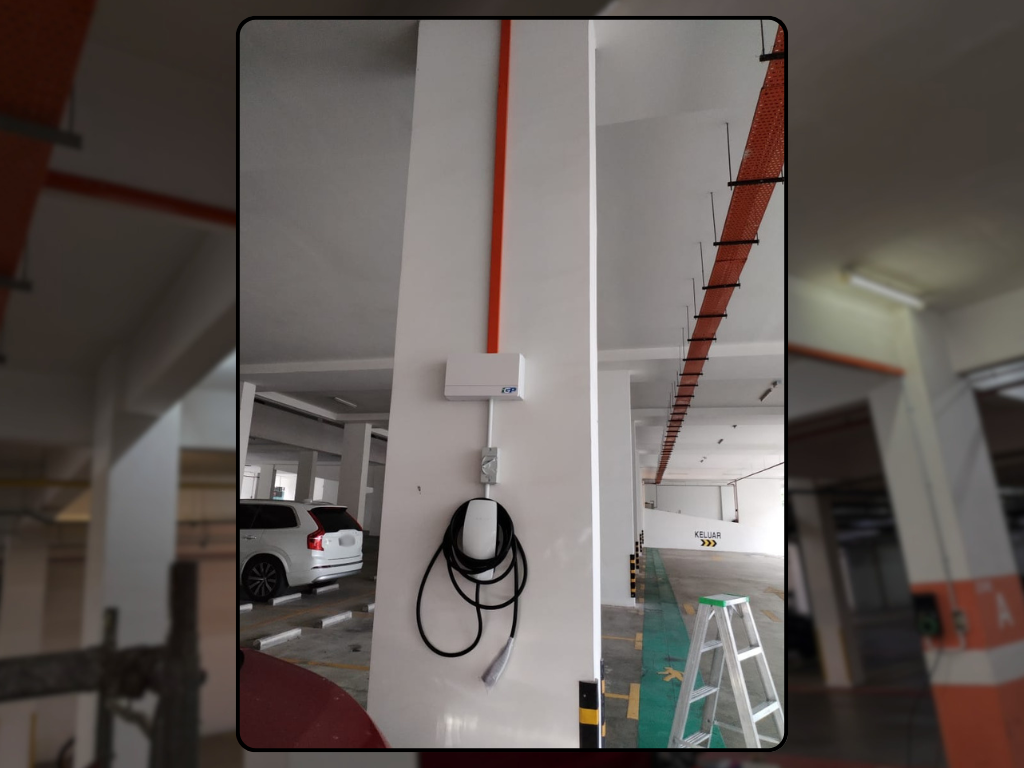
Condo residents and management should plan for future EV adoption. One approach is to dedicate an EV distribution board (EVDB) on each parking level and run separate power lines from the main supply. Use dynamic load balancing to allocate power fairly when multiple cars charge. Planning ahead helps scale the system as more residents adopt EVs.
7. Conclusion
Yes, you can install an EV charger in a condo, but you must work with your JMB/MC, engage certified installers, assess load capacity, and follow safety regulations. AC wallboxes are the practical choice for high-rise living. With proper planning and management cooperation, condo residents can enjoy the convenience of home charging while keeping their building safe and future-ready.