A shared charger needs named responsibilities before the first fault occurs. Shared charging succeeds when responsibility is named before the first fault. Ownership of hardware, circuits, data, user support, maintenance and emergency response can sit with different parties and must be coordinated. For jMBs, MCs, property managers and developers, the practical objective is not to chase a perfect-looking component. It is to connect the equipment, fixed electrical installation, protection, operating behaviour and records into one traceable system.
That systems view matters because EV charging can run for hours and because later decisions are often made by someone who did not design the original installation. A homeowner, facility manager or maintainer needs evidence that answers three questions: what was intended, what is installed now, and what has changed. Where those answers are incomplete, the correct next step is targeted verification—not a confident guess.
Why the whole system matters
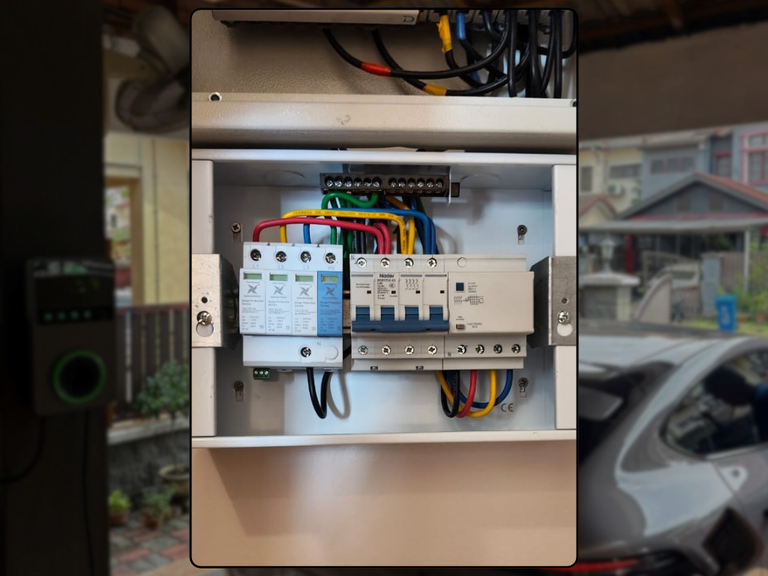
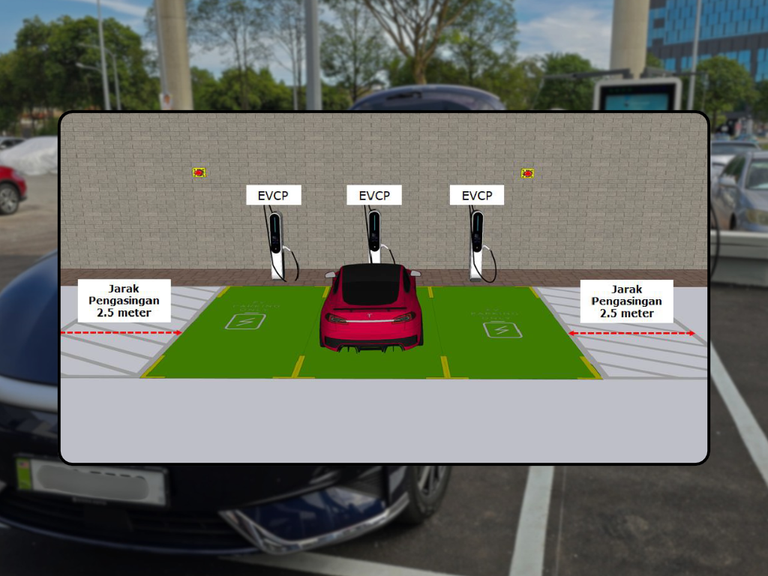
For a commercial owner, the system boundary extends beyond the charger cabinet. It includes boards and feeders, bay layout, earthing, protection, software and communications, operating authority, maintenance response and the evidence needed for audits or handover. Procurement and O&M teams should therefore use the same asset identifiers and controlled drawings. A technically sound design can still become difficult to operate if settings, credentials and responsibilities are not handed over.
Define asset and circuit ownership
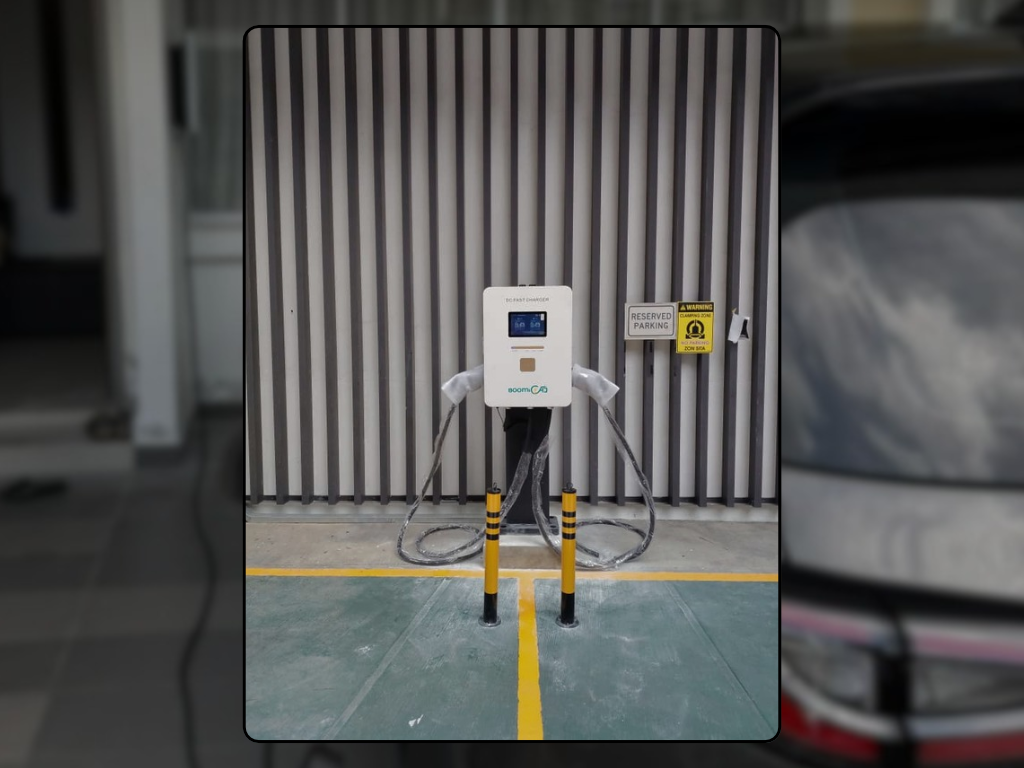
Identify who owns each charger, feeder, board, meter, communications device and bay fixture. Begin with the evidence that can be confirmed today. This is important because an isolated observation can look reassuring while leaving the system boundary unclear. State the assumption, identify the component or record that can confirm it, and note the condition under which the conclusion remains valid.
Practical verification: Create an asset boundary diagram and record handover points between private and common property. Clear boundaries reduce disputes over access, repair and replacement cost. Record the date, asset or circuit identity, responsible person and any limitation. If the evidence conflicts with the installed condition, treat that as an open item for competent review rather than selecting the more convenient answer.
Assign operating authority
The governance plan should state who onboards users, changes tariffs, resets equipment, isolates faults and returns assets to service. Next, connect the design statement to what is physically installed. This is important because an isolated observation can look reassuring while leaving the system boundary unclear. State the assumption, identify the component or record that can confirm it, and note the condition under which the conclusion remains valid.
Practical verification: Use role-based access and an escalation list available after hours. Technical controls fail operationally when nobody has authority to use them. Record the date, asset or circuit identity, responsible person and any limitation. If the evidence conflicts with the installed condition, treat that as an open item for competent review rather than selecting the more convenient answer.
Control data and vendors
Session, billing and user data need an identified controller, retention approach and vendor exit plan. Then test the operating assumption instead of accepting a status light. This is important because an isolated observation can look reassuring while leaving the system boundary unclear. State the assumption, identify the component or record that can confirm it, and note the condition under which the conclusion remains valid.
Practical verification: Document platform access, export capability, cybersecurity contacts and credential ownership. A charger can outlive its first software provider or management committee. Record the date, asset or circuit identity, responsible person and any limitation. If the evidence conflicts with the installed condition, treat that as an open item for competent review rather than selecting the more convenient answer.
Fund maintenance and emergencies
Contracts should cover preventive work, response levels, parts, testing, documentation and incident cooperation. Finally, preserve enough information for the next decision-maker. This is important because an isolated observation can look reassuring while leaving the system boundary unclear. State the assumption, identify the component or record that can confirm it, and note the condition under which the conclusion remains valid.
Practical verification: Agree budget ownership, service scope and proof of completed work. A named maintainer without funded tasks and response obligations is not an operating system. Record the date, asset or circuit identity, responsible person and any limitation. If the evidence conflicts with the installed condition, treat that as an open item for competent review rather than selecting the more convenient answer.
Build the evidence pack
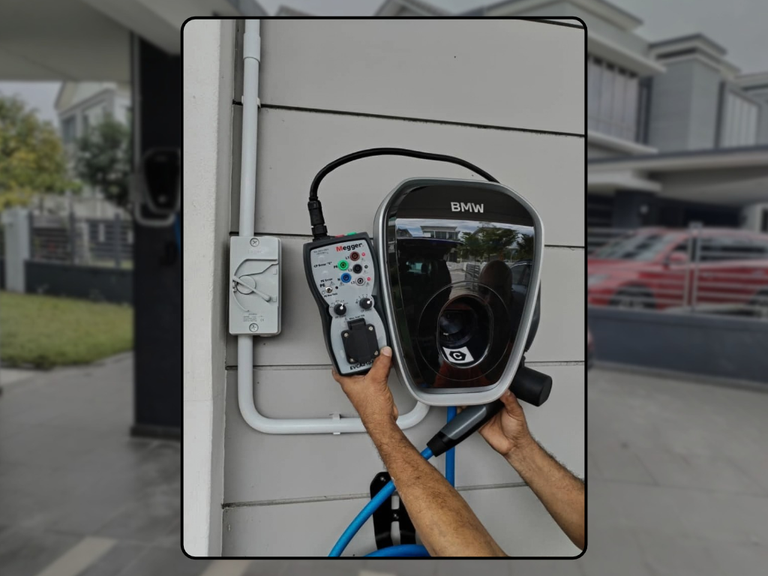
Build a compact evidence pack around the decision. Keep the exact charger and protective-device identities, approved or as-built circuit information, inspection and test records, settings or configuration exports, fault and maintenance history, clear photographs and the names of responsible parties. For commercial sites, also keep the asset register, go-live acceptance, operating procedure and service records. For homes, keep the installer handover, user instructions and any insurer correspondence. Documents should be readable, dated and matched to the equipment; a folder of unrelated brochures is not an evidence trail.
Avoid the familiar shortcuts
Common mistakes are predictable: treating ‘it charges’ as proof of the fixed installation; choosing protection from a generic Type A/Type B slogan; increasing a setting after repeated trips; relying on remote status as a substitute for inspection; assuming single-phase supply is inherently unsafe; or treating dynamic load balancing as newly created capacity. Another mistake is turning a public incident into a product accusation before investigators publish a finding. These shortcuts reduce lead quality because they start with an answer instead of the property, equipment and evidence.
A practical decision path
Use a three-stage decision. First, collect the information described above without disturbing live equipment. Second, compare it with current ST guidance, the exact EVSE instructions and the real operating need behind ‘Condo EVCS governance / operator roles’. Third, commission only the inspection, testing, remediation or capacity study needed to close the identified gaps. This produces a scope that an owner can understand and a technical team can price responsibly. It also avoids replacing compliant equipment simply because documentation was initially poor.
Important limitation
The responsibility matrix supports technical governance but does not replace legal, insurance or strata advice. Agreements should be reviewed for the specific property and operating model.
Conclusion
The goal is not to make charging sound frightening. It is to make the installation explainable. When the asset, circuit, protection, operating behaviour and records agree, owners can make better decisions and maintain the system with confidence. When they do not agree, the gap becomes a defined technical task rather than a vague fear.
Let our obsession with quality protect your safety.
Because when it comes to EV charging and electrical systems, there’s no room for compromise.
Need your EV charger or electrical setup professionally inspected?
📲 WhatsApp Us: https://wa.me/60125954786
Stay connected with us:
📷 Instagram: https://www.instagram.com/InnovativeGreenPowerMY
📘 Facebook: https://www.facebook.com/innovativegreenpower
🎥 YouTube: https://www.youtube.com/@IGPEVCharging-ir8rv
🖥 Website: https://www.innovativegreenpower.com