1. Introduction
As EV adoption grows, JMBs and MCs face increasing requests from residents to install private chargers in condominiums. Navigating these requests requires understanding both strata law and electrical regulations. This article clarifies the duties of committees and the conditions they may reasonably impose.
2. No Obligation to Provide Chargers
Management committees are not legally required to install EV chargers for residents or to pay for charging infrastructure. The Strata Management Act 2013 does not oblige MCs to create new facilities. However, this doesn’t give committees a license to obstruct legitimate requests.
3. Duty to Facilitate, Not Obstruct
While not required to supply chargers, committees must act reasonably and in good faith when residents apply to install private chargers. They should properly consider applications, assess electrical and fire risks, request relevant technical documents and impose proportionate conditions. Arbitrary bans or indefinite delays are not acceptable.
4. Private vs Public EV Charging
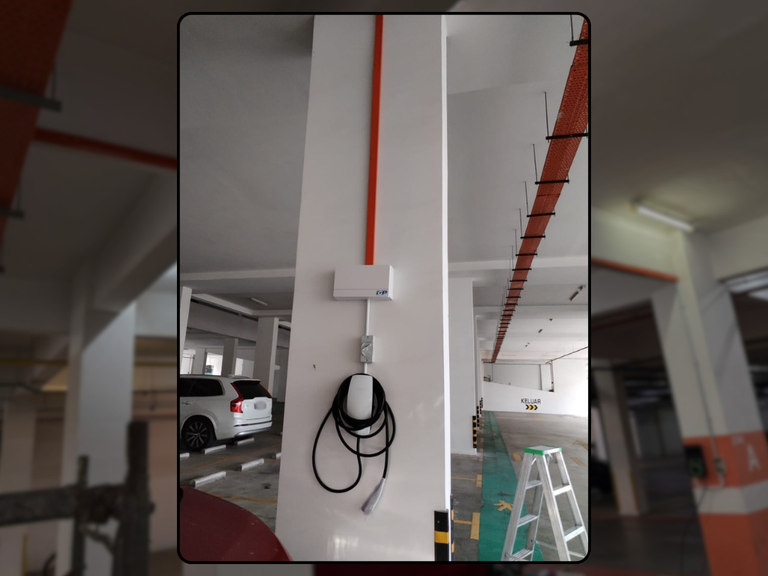
There’s a clear legal distinction between private EV charging and public or commercial EV charging. A private charger is used solely by the resident for personal vehicles, with no public access or resale of electricity. Such installations do not require an EVCS licence. In contrast, a charger accessible to multiple residents for a fee constitutes public/commercial charging and is subject to EVCS licensing requirements.
5. Conditions MCs Can Impose
Committees may lawfully require:
- Compliance with ST electrical safety requirements and ESAH 3.1 wiring guidelines.
- Use of qualified contractors and proper cabling routes.
- Fire-safety compliance and protection of common property.
- Indemnities for damage to common property.
- Recovery of actual electricity costs and reasonable administrative fees (but no profiteering).
Committees must ensure these conditions are proportionate and transparent.
6. Cost Recovery and Pricing
If electricity is supplied through common meters, the committee may charge residents the actual cost plus a reasonable administrative fee. Because MCs are not licensed electricity retailers, they cannot impose excessive mark-ups. Overcharging or applying punitive rates can be challenged as unreasonable.
7. Avoiding Weak Decisions
Management decisions are vulnerable when they ban chargers without justification, refuse applications without technical reasons, or apply opaque electricity rates. To minimize legal risk, MCs should document their reasons, rely on evidence, and make decisions consistent with the Strata Management Act.
8. Conclusion
JMBs and MCs have no duty to provide or pay for EV chargers, but they must reasonably facilitate residents’ requests. Understanding the distinction between private and public charging, imposing lawful conditions, and maintaining fair pricinghelps committees uphold safety and legal compliance while accommodating EV adoption. IGP assists committees and residents by providing technical advice, installation proposals, and ensuring compliance with ST and strata regulations.