1. Introduction
When residents talk about installing EV chargers in condos, they often mix up two different scenarios: a private charger at their own parking bay and a public charger open to other residents. The rules, licences and responsibilities differ significantly. This article clarifies what makes a charger private or public and why it matters for licensing and management policies.
2. What Is a Private EV Charger?
A private charger is installed in a resident’s own parking bay, used exclusively for that resident’s vehicle and not accessible to others. Under ST guidelines, private EV charging does not require an EVCS licence. The key criteria are:
- Personal use only: No third-party access or resale of electricity.
- Resident pays for installation and electricity.
- Management approval is still required, but the committee cannot impose blanket bans; it must act reasonably.
- Costs are recovered only for actual electricity and administrative fees, not profit.
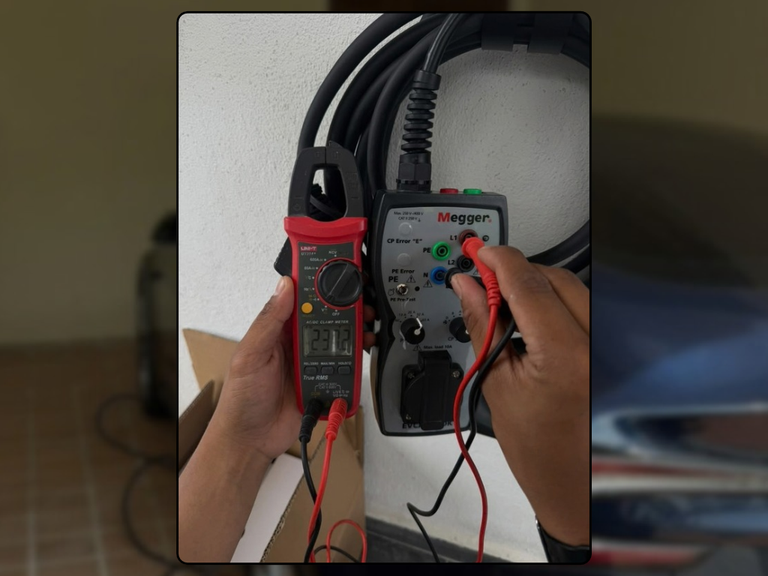
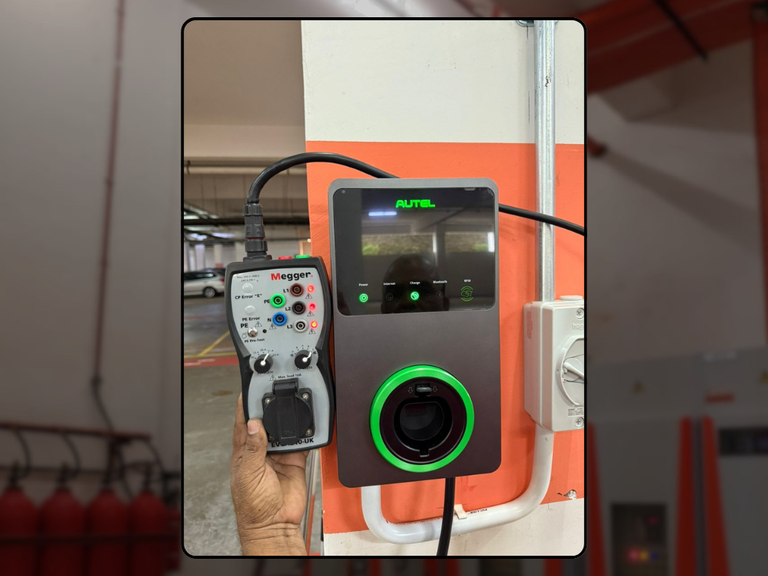
Residents should work with an ST-registered contractor to install a dedicated circuit with proper protection devices and obtain a test report for insurance and warranty purposes.
3. What Is a Public or Commercial EV Charger?
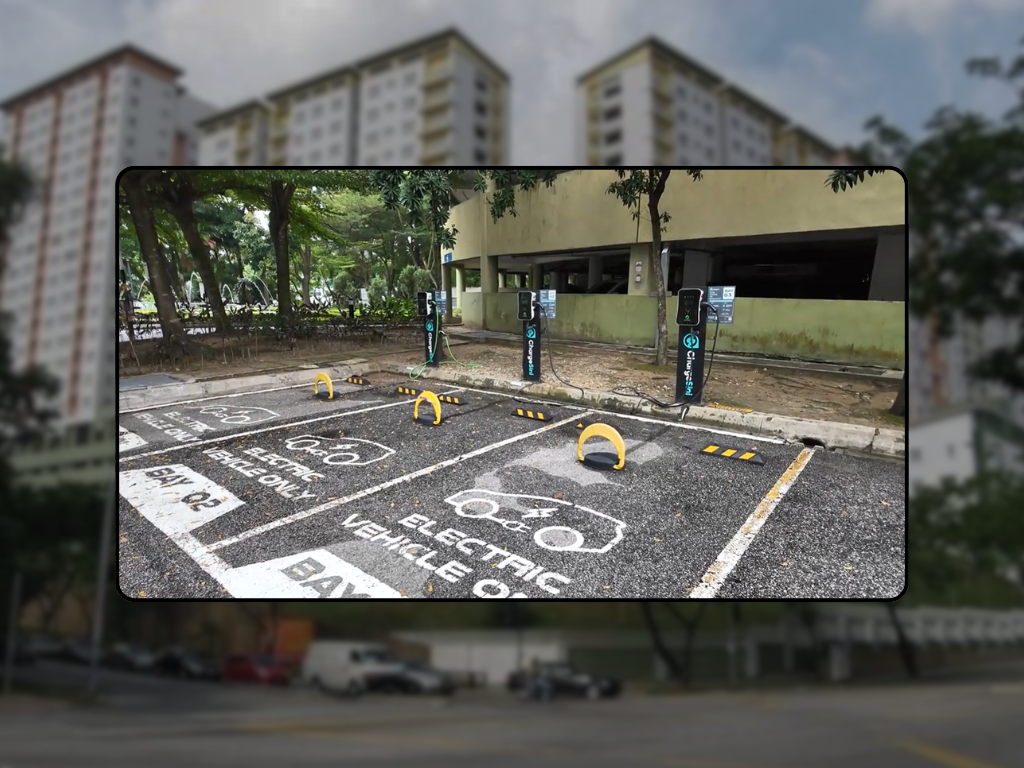
A public charger in a condo is installed as a common facility and can be used by multiple residents. If the building or a third party sells electricity through the charger, it is considered a commercial EV charging system (EVCS) and requires an EVCS licence. Key points include:
- Accessible to multiple users—whether residents or the general public.
- Payment for usage (per kWh or time), which constitutes sale of electricity.
- Compliance with additional regulations, such as EVCS licensing under the Electricity Supply Act and possible local council approvals.
- Shared costs and revenue: The committee must decide how to fund installation and manage revenue, often through open tender and transparent fee structures.
4. Implications for Management Committees
If a resident installs a private charger, the MC’s role is to approve the installation subject to safety requirements and reasonable conditions. They can recover actual electricity costs and administrative fees. However, if the condo installs a public charger, the MC must handle procurement, licensing and ongoing maintenance. They can’t charge excessive mark-ups and must ensure compliance with EVCS regulations.
5. How IGP Can Help
Whether you need a private charger or a communal charging solution, IGP offers consultation and installation services. We help residents draft proposals, perform load assessments, and liaise with JMBs/MCs. For public chargers, we assist with licensing, tender specifications and dynamic load management.
6. Conclusion
A private charger serves a single resident and doesn’t require an EVCS licence, while a public or commercial charger is accessible to multiple users and does. Management committees should understand these differences to set fair policies and ensure compliance. Residents should make clear whether they seek a personal charger or a shared facility and work with qualified professionals to navigate approvals, installation and operation.