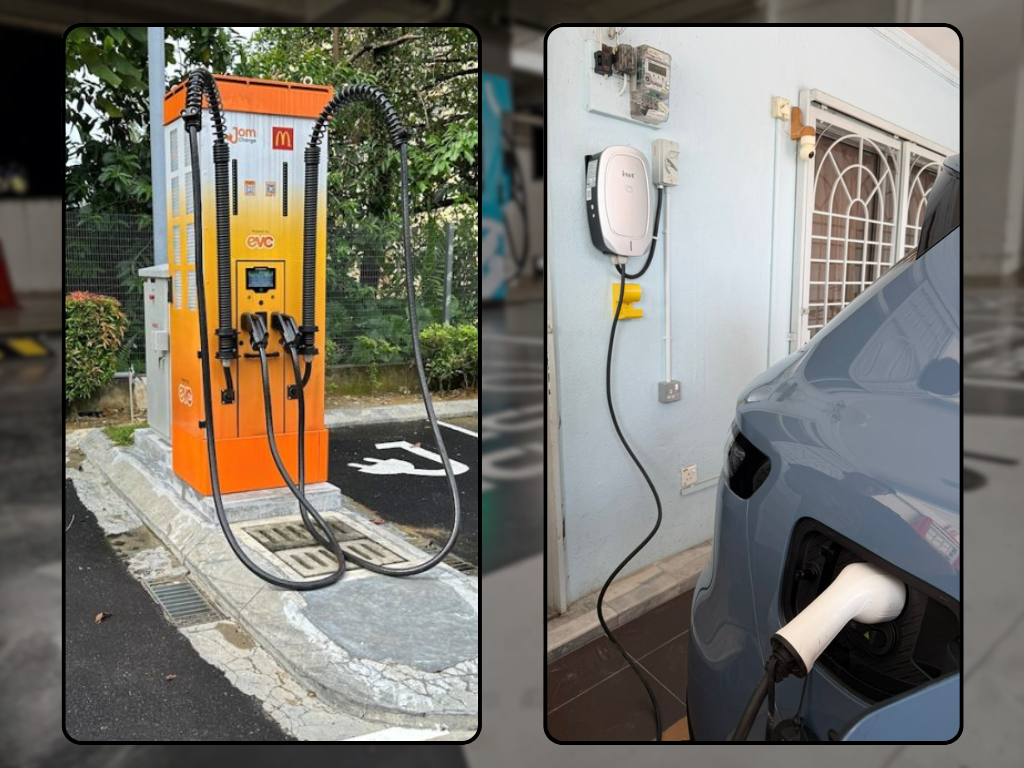
Public charging is an important part of Malaysia’s EV ecosystem.
New charging locations, DC chargers, membership plans, and temporary promotions all help EV owners feel more confident when travelling or when their usual routine changes.
But for daily EV ownership, public charging should not be the only plan if your home can support a properly designed charger. Public charging is useful for highway travel, emergencies, shopping mall top-ups, and days when you need a fast charge. Home charging is different. It is what turns EV ownership into a calm routine.
When you can charge at home, you do not need to plan every normal week around charger availability, queue, app access, pricing, or whether another driver is already occupying the bay. You come home, plug in, and wake up with enough range for the next day.
This is also where many EV owners experience the real cost advantage. Public DC charging has to pay for land, high-powered equipment, grid capacity, maintenance, payment systems, customer support, and business margin. Home AC charging is slower, but it is usually more suitable for overnight routine charging.
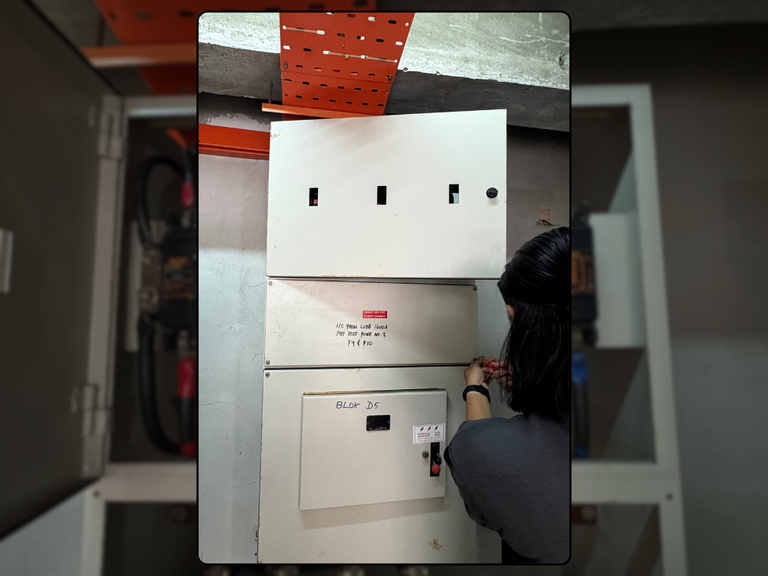
That does not mean every home can install a charger blindly. Home charging is not simply buying a wallbox and mounting it on the wall. The correct setup depends on your incoming supply, existing household load, distribution board condition, cable route, charger location, protection devices, earthing, and how the car will actually be used.
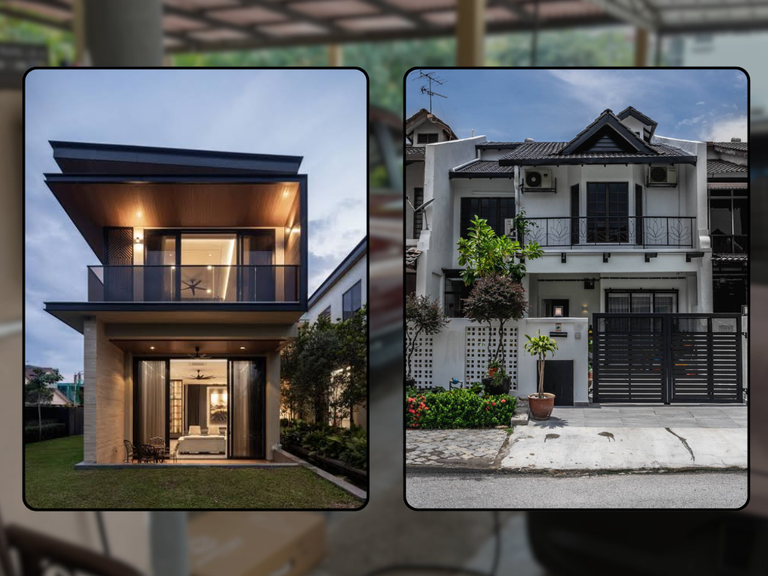
Many Malaysian homes are single-phase. This does not automatically mean home charging is impossible. Many EV owners can use a single-phase 7kW charger comfortably if the home is suitable and the installation is designed properly. But a 7kW charger can draw significant current for many hours, so assessment matters.
This is where homeowners often misunderstand the question. They ask, ‘Can my house support 7kW?’ The more accurate question is, ‘How much available capacity does my home have after normal household load, and how should the charger be configured?’ Air conditioners, water heaters, pumps, ovens, induction cookers, and dryers all share capacity with the EV charger.
Dynamic Load Balancing can help suitable homes manage this better. It allows the charging system to monitor household usage and adjust the charger’s output based on available capacity. When the home is using more electricity, the charger can reduce output. When household load drops, charging can increase again within the configured limit.
But Dynamic Load Balancing does not create extra supply capacity. It is not magic. It is a load management feature. It still needs correct installation, suitable protection devices, proper configuration, and a realistic understanding of the home electrical system.
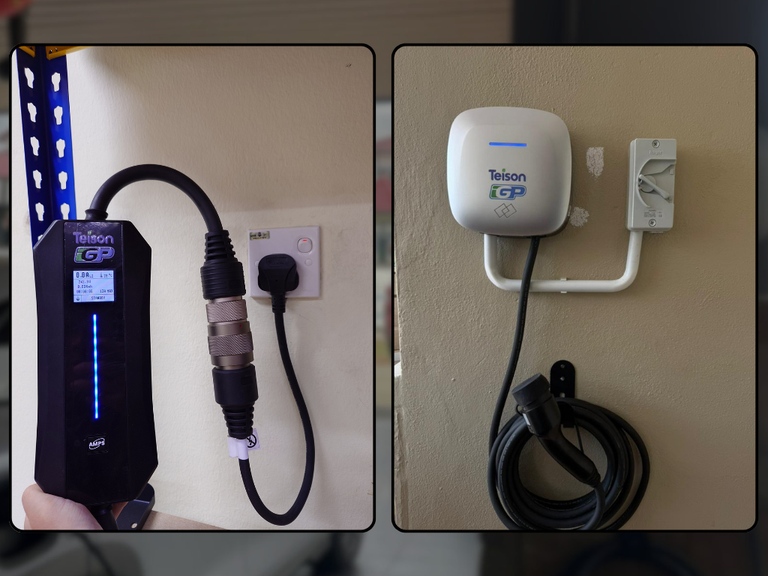
Owners should also understand the EV itself. The wallbox does not decide everything. In AC charging, the EV’s onboard charger determines the charging acceptance limit. If the car can only accept around 7kW AC, installing a 22kW wallbox will not force the car to charge at 22kW. The charger and car need to be matched to the home, not selected by the biggest number on the brochure.
Public charging remains useful. It is especially valuable for long-distance travel, owners without home charging, fleet needs, and locations where drivers stay for a shorter time. But for homeowners who park at home every night, a proper home charging system can remove a lot of daily uncertainty.
The practical rule is this: public charging helps you travel, while home charging helps you live with the EV every day. Both matter, but they serve different purposes.
Before installing a home charger, do not start only with price. Start with assessment. Check your incoming supply, existing load, DB condition, cable route, charger suitability, protection devices, earthing, testing, and after-sales support.
IGP’s Safety Principles
At IGP, we do not look at home charging as a wallbox sale only. We look at it as an electrical system. The goal is not to push maximum power into every home. The goal is to design a charging setup that the home can safely and reliably support.
Home charging should be convenient, but it should also be designed properly.
Let our obsession with quality protect your safety.
Because when it comes to EV charging and electrical systems, there’s no room for compromise.
Need your EV charger or electrical setup professionally inspected?
WhatsApp Us: https://wa.me/60125954786
Stay connected with us:
Instagram: https://www.instagram.com/InnovativeGreenPowerMY
Facebook: https://www.facebook.com/innovativegreenpower
YouTube: https://www.youtube.com/@IGPEVCharging-ir8rv
Website: https://www.innovativegreenpower.com