When EV owners begin researching home chargers, one of the first comparisons they make is price.
It is natural to compare different chargers and installation packages and ask:
“Why is there such a big difference in price?”
Some installations appear very affordable, while others cost more even though the charger power rating may look similar.
The reason is simple.
An EV charging system is not just a product purchase.
It is an electrical infrastructure installation that must operate safely under continuous load for many years.
The long-term reliability of that system depends far more on installation quality and component selection than the price of the charger itself.
EV Charging Places Unique Demands on Electrical Systems
Most household electrical devices operate intermittently.
Air conditioners cycle on and off.
Water heaters operate for short durations.
Kitchen appliances run for minutes rather than hours.
EV charging behaves differently.
Under IEC 61851-1, EV charging is classified as a continuous load, meaning the charger can draw high current for extended periods — often six to eight hours overnight.
Because of this, the electrical system supporting the charger must be designed with appropriate thermal margins and protection.
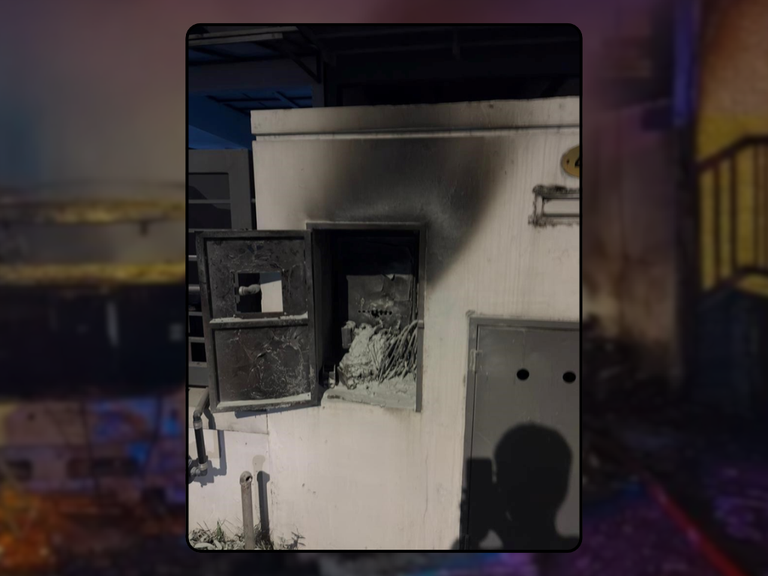
Poor installation decisions may not cause immediate problems, but over time they can introduce unnecessary electrical stress.
Installation Quality Starts With Proper Design
A reliable EV charging system begins with careful installation planning.
A professional installation typically involves:
- Reviewing the home’s electrical capacity
- Designing a dedicated charging circuit
- Selecting appropriate protection devices
- Planning safe cable routing
- Installing proper isolation devices
Each of these elements ensures the charging system operates safely and consistently.
Skipping these steps may reduce installation cost initially, but it also increases the risk of future problems.
Electrical Protection Components Matter
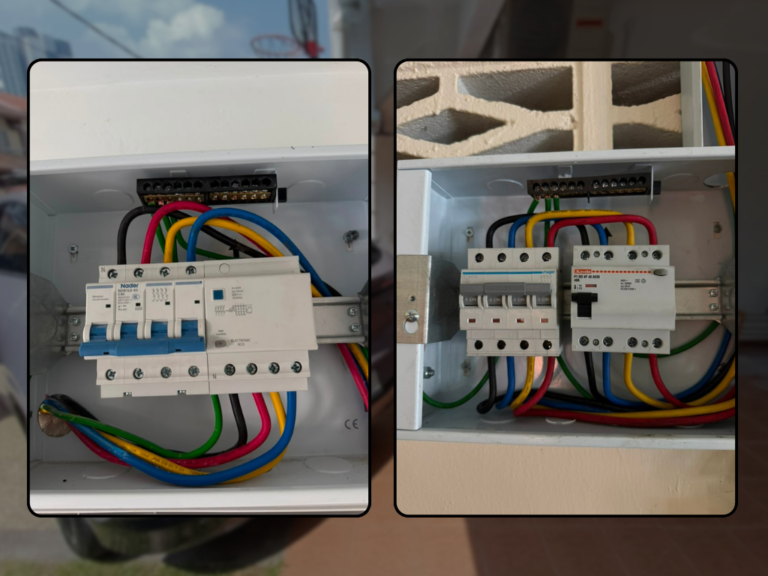
An EV charger installation includes several protection components that safeguard both the charger and the home’s electrical system.
These typically include:
- Miniature Circuit Breakers (MCBs) for overload protection
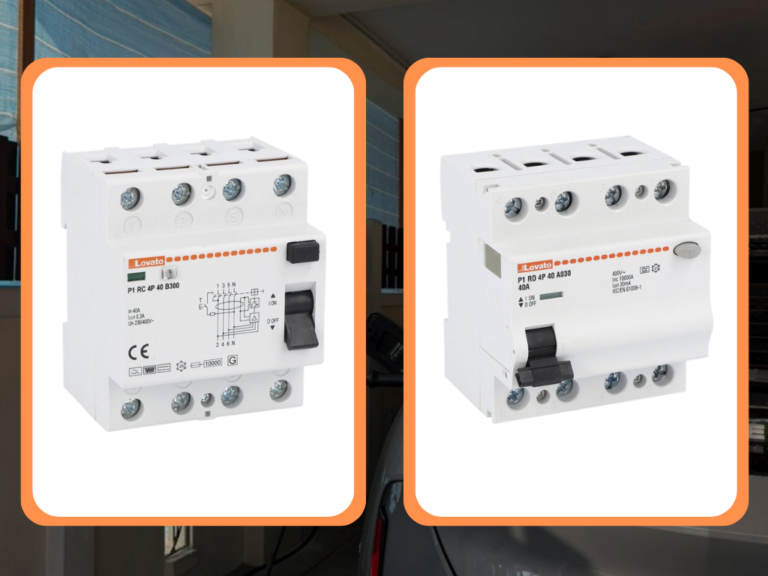
- Residual Current Devices (RCDs) for fault protection
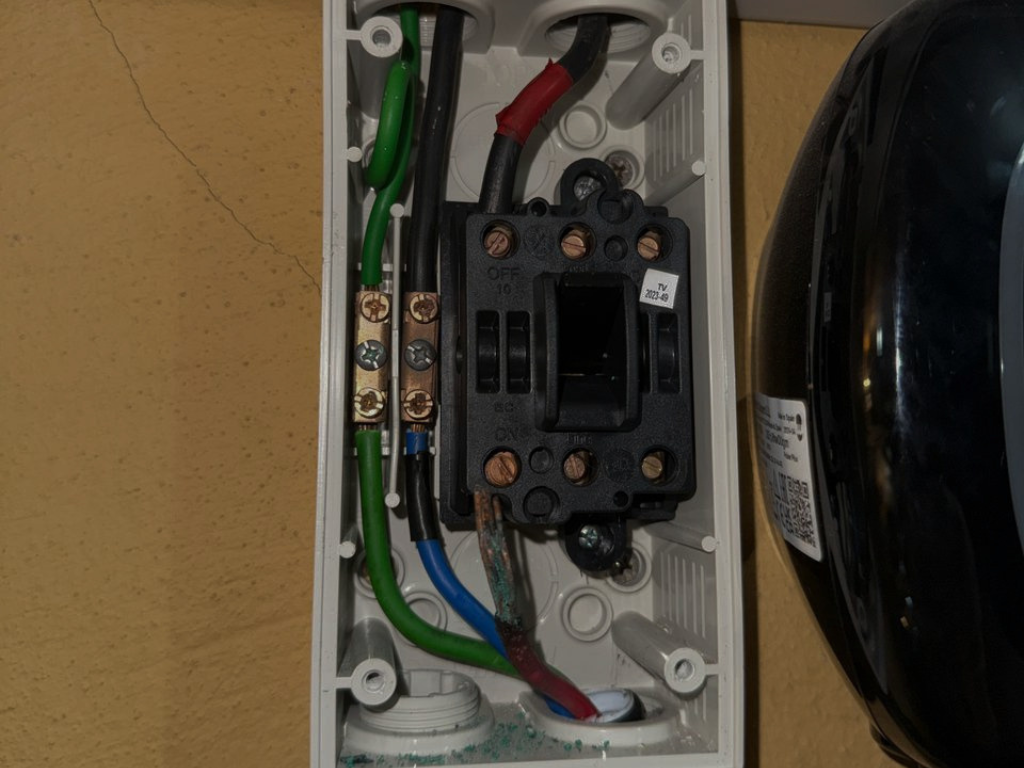
- Isolation switches for safe disconnection during maintenance
These components must be properly selected to suit the electrical characteristics of EV charging systems.
For example, EV charging installations must consider the potential presence of DC residual currents, which can occur during charging.
International standards such as IEC 62955 specify requirements for 6mA DC residual current detection, ensuring that residual current protection remains effective.
Selecting appropriate protection devices ensures the system behaves correctly in both normal operation and fault conditions.
Cable Quality and Sizing Are Equally Important
Another critical factor in installation quality is the cable used to supply power to the charger.
Because EV charging involves sustained current, the cable must be sized appropriately to manage heat and voltage drop.
In Malaysia, many EV charging guidelines recommend 6mm² copper conductors as the minimum cable size for typical single-phase installations.
Proper cable sizing ensures:
- lower thermal stress
- stable voltage supply
- improved long-term reliability
Using undersized cables may appear to work initially, but it reduces the safety margin of the system.
Installation Craftsmanship Also Matters
The physical execution of the installation is just as important as the components used.
Professional installation considers:
- secure mounting of equipment
- protected cable routing
- weather-resistant installations where required
- clean electrical connections
These details may seem small, but they contribute significantly to the durability and safety of the charging system.
A well-executed installation will continue to operate reliably for years with minimal maintenance.
The True Cost of a Charging System
When evaluating installation options, it is helpful to consider the total lifecycle of the charging system rather than just the upfront cost.
A charger installation is typically expected to support:
- daily charging cycles
- several years of operation
- potentially multiple vehicles over time
A properly designed installation protects both the charger and the home’s electrical system throughout that lifespan.
In contrast, installations that prioritise the lowest initial price may compromise on components or design.
Planning Early Helps Avoid Rushed Decisions
One of the best ways to ensure a high-quality installation is to begin planning early — ideally soon after ordering the EV.
Early planning allows homeowners to:
- schedule a home inspection
- understand their electrical system
- choose the appropriate charger
- confirm installation details
By the time the EV delivery date is known, installation can proceed efficiently without needing rushed decisions.
A Reliable Charging System Is Part of the EV Ownership Experience
Home charging is one of the greatest conveniences of owning an electric vehicle.
Being able to charge overnight and begin each day with a full battery transforms the driving experience.
But that convenience depends on a charging system that is designed and installed properly.
Choosing quality components and professional installation ensures that the system continues to operate safely and reliably over the long term.
IGP’s Safety Principle
IGP enforces high standards as a deliberate benchmark to maximise safety in residential EV charging.
Because a home is not just an electrical installation—it is where lives and livelihoods are protected.
EV charging should be an upgrade to modern living, not a compromise in safety.
Let our obsession with quality protect your safety.
Because when it comes to EV charging and electrical systems, there’s no room for compromise.
Need your EV charger or electrical setup professionally inspected?
📞 WhatsApp Us: https://wa.me/60125954786
Stay connected with us:
🔹 Instagram: https://www.instagram.com/InnovativeGreenPowerMY
🔹 Facebook: https://www.facebook.com/innovativegreenpower
🔹 YouTube: https://www.youtube.com/@IGPEVCharging-ir8rv
🌍 Website: https://www.innovativegreenpower.com