By Alvin Wong, CEO of Innovative Green Power Sdn. Bhd.
Just installed an EV charger at home and suddenly noticed a burning smell near your fuse casing—but your power’s still on? It’s easy to overlook, but this could be a serious early warning sign that your home’s electrical intake is under stress.
And for first-time EV owners, this is especially important. Let’s break it down in simple terms.
EV Charging = A Big Jump in Electrical Load
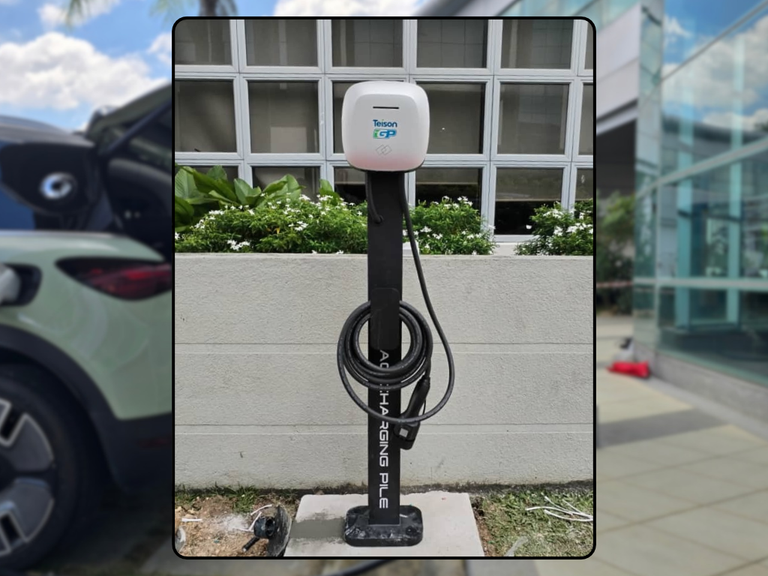
Your EV charger might be drawing up to 32A continuously—a significant amount of current, especially if you live in a typical Malaysian single-phase landed home. This extra load flows through your home’s main fuse casing, where Tenaga Nasional Berhad (TNB)’s supply enters your property.
It’s at this point—just before your consumer unit or distribution board—where things can silently go wrong.
What Causes the Burning Smell?
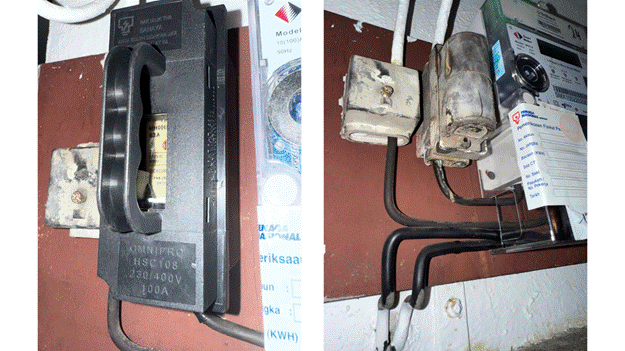
That smell usually means something in your fuse casing is overheating—but not because of an overload. Instead, it’s caused by high resistance somewhere in the connection.
Unlike a typical overload that trips a breaker or blows a fuse, these issues are more dangerous because the fuse doesn’t detect them. So, the power keeps flowing—but things are heating up dangerously behind the scenes.
3 Common Causes of High Resistance at the Fuse Casing
1. Worn Contact Points
Over time, the internal contact points inside your fuse casing—where cables and terminals connect—can degrade or oxidise. This increases resistance and generates heat even during normal usage, especially under prolonged high current like EV charging.
2. Aluminium Incoming Supply Cables from TNB
Many homes still use aluminium wiring for incoming power. Aluminium is more prone to oxidation and thermal expansion compared to copper, which causes loosening at connection points. This creates unstable current flow, resistance, and eventually, excessive heat.
3. Lack of Maintenance on Fuse Holders
Most Malaysian fuse casings use either cylinder-type or blade-type fuses, which slide into two spring-like metal contacts. These metal contact holders are designed to grip the fuse firmly—but over time, due to repeated heating and cooling, they lose their spring tension and flexibility.
When that grip becomes weak, it creates small air gaps. Under load, especially EV charging, these gaps become hotspots—generating heat without tripping the fuse, because technically there’s no overload.
Why It’s a Bigger Risk for EV Owners
Before installing an EV charger, your house likely didn’t see long hours of 32A current draw. But EV charging is continuous and sustained, making it more likely to expose weak points in your home’s electrical intake system.
In single-phase homes, where all the electrical load flows through just one fuse line, this can escalate quickly—without any visible signs until it’s too late.
What Should You Do If You Smell Burning at the Fuse?
1. DO NOT Call a Regular Electrician
The fuse casing and incoming supply up to the meter belong to TNB. No private electrician is allowed to open or repair this section.
2. CALL TNB CareLine Immediately – 15454
If you smell burning or notice heat/smoke from the fuse casing, contact TNB. They will dispatch a technician to inspect and repair the intake side.
3. Stop Charging Your EV Temporarily
Until the issue is checked and resolved, stop using your charger. Continued charging may worsen the situation and lead to a fire risk.
How We Can Help – With Thermal Imaging Inspections
At Innovative Green Power, we provide professional electrical safety assessments for EV-ready homes, including:
• Visual inspections of all accessible terminations
• Testing of charger performance under load
• Thermal imaging scans of your main switchboard and fuse-linked areas
• Recommendations for upgrades or improvements
Our thermal imaging camera detects hidden hotspots—even if there’s no visible damage yet. This proactive step can help identify weak points before they become dangerous.
✅ For more information, check out https://www.facebook.com/share/p/16nmbfc6xz/
Prevention is Always Better Than Repair
If you’re upgrading your lifestyle with an EV, make sure your home’s electrical system is ready to support it—safely and reliably.
Let our obsession for quality take care of your safety.