1. Introduction
Installing an EV charger isn’t just about mounting the unit and switching it on. After electrical work is complete, the installation must be tested and documented to verify safety and compliance. Proper testing protects your warranty and insurance and ensures your charger operates reliably.
2. Why Testing Matters
- Safety assurance: Tests identify wiring faults, loose connections and earth-leakage problems before they cause fires or shocks.
- Regulatory compliance: Suruhanjaya Tenaga guidelines require that electrical work be supervised and tested by a competent person.
- Warranty and insurance: Manufacturers and insurers often require proof of proper installation and testing. Improper installation or lack of documentation can void your warranty or insurance claim.
3. Key Tests for EV Charger Installations
A professional EV charger test includes:
- Continuity of protective conductors: Verifies that earthing conductors are correctly connected and continuous.
- Insulation resistance: Ensures wiring insulation is intact and free of moisture or damage.
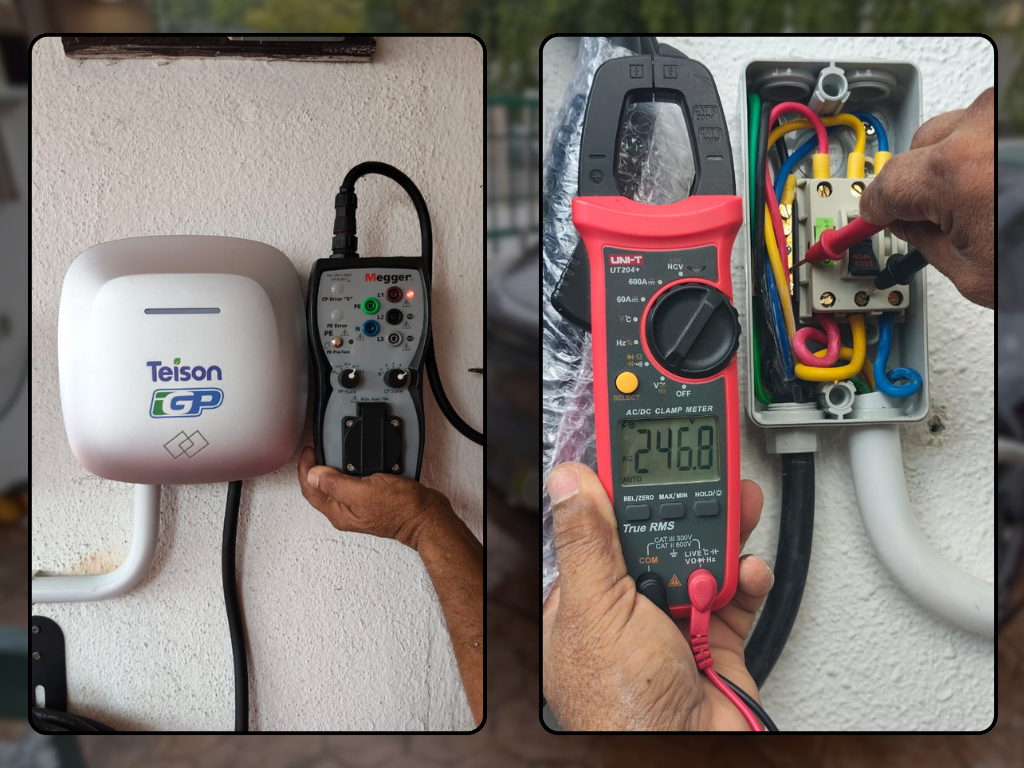
- RCD trip test: Confirms that the residual current device (Type A or Type B) trips at 30 mA within the required time.
- Polarity and voltage check: Ensures correct wiring polarity and verifies voltage is within the 4 % drop limit.
- Functional test: Energises the charger and verifies proper operation, including dynamic load balancing where applicable.
4. Documentation Homeowners Should Receive
The Insurance and Warranty Risks of Improper EV Charger Installation article from IGP advises homeowners to request:
- Test results (e.g., RCD test record, continuity and insulation readings).
- Circuit diagrams showing the dedicated circuit, protective devices and cable size.
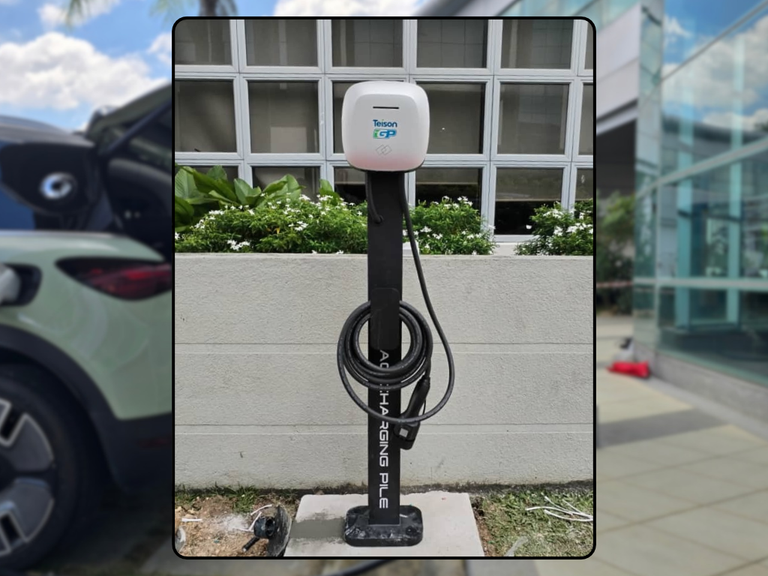
- Photographs of the completed installation and labeling for your distribution board.
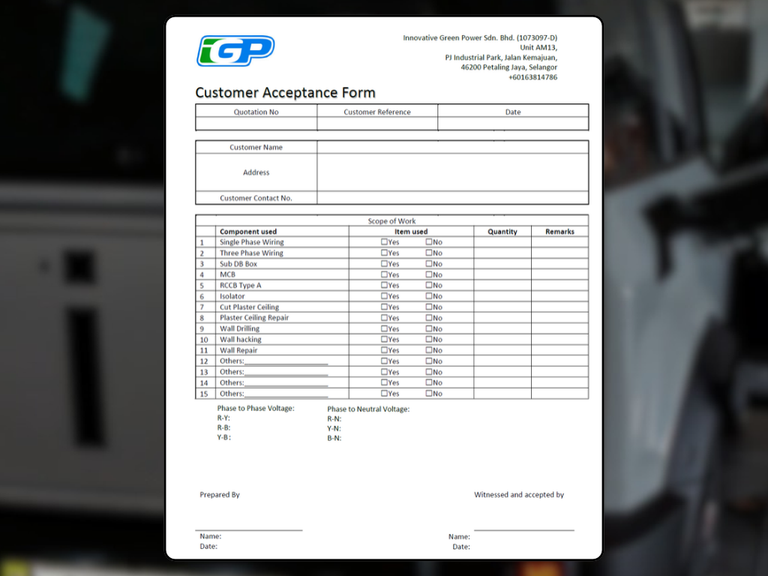
- Installation report summarising steps taken and materials used.
Although Form G (Supervision and Completion Certificate) and Form H (Test Certificate) are typically required for new buildings or major modifications, residential EV charger installations may not mandate them. However, keeping detailed test reports and diagrams protects your warranty and insurance claims.
5. IGP’s Commissioning Process
At Innovative Green Power, we conduct all necessary tests using calibrated instruments. We provide a commissioning report with test results, a circuit diagram and photographs. We label the EV charger circuit clearly in your distribution board and explain the results. If any issues arise during testing, we fix them before handover. This documentation becomes a permanent record for warranty and future service.
6. Conclusion
Testing is the final and most important step of an EV charger installation. It verifies safety, ensures compliance and protects your investment. Always request a commissioning report with test results, circuit diagrams and photographs. With IGP, you receive comprehensive testing and documentation, so you can rest assured that your charger is safe and compliant.