By Alvin Wong, CEO of Innovative Green Power Sdn. Bhd.
When installing an EV charger at home, many people focus on the charger itself, overlooking the unseen yet critical backbone: the electrical components supporting it. From circuit breakers to cables, the choices you make during installation determine the safety, reliability, and long-term cost-effectiveness of your EV charging system.
1. Safety First
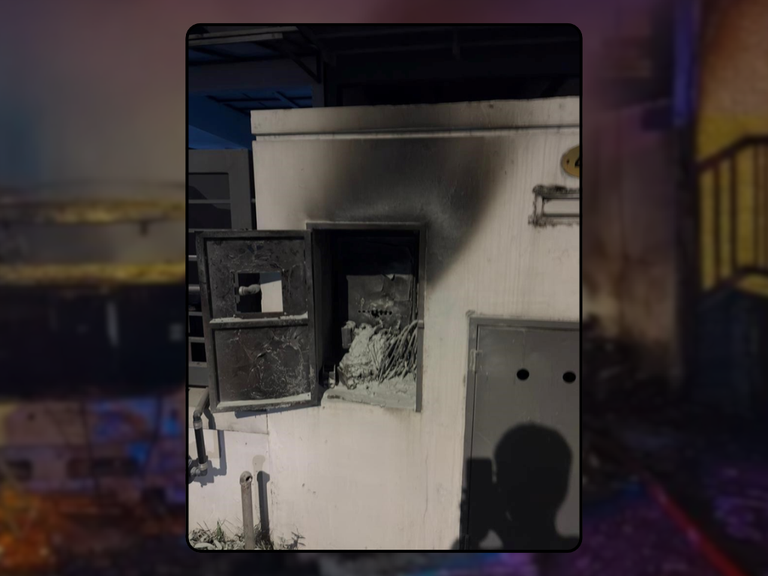
Your EV charger draws high current over extended periods. If the miniature circuit breakers (MCBs), residual current devices (RCDs/RCCBs), and cabling are of poor quality or incorrectly sized, they may overheat or fail silently, leading to:
- Fire risks from overheated cables or loose terminals
- Electric shock hazards if residual current protection does not trip correctly
- Premature component failure, causing repeated tripping or charger downtime
High-quality components with proper certifications and adequate ratings help ensure your system performs safely under Malaysia’s heat and humidity.
2. Long-Term Performance and Reliability
An EV charger is a long-term investment. You will likely use it daily for years, and inferior components can cause:
- Voltage drops during charging, slowing your charge rate
- Overheating at connection points, leading to hidden damage
- Nuisance tripping due to low-grade breakers unable to handle inrush current or continuous near-capacity loads
Selecting components that exceed minimum requirements reduces wear, increases system longevity, and avoids the “cheap now, pay later” trap.
3. Compatibility with Future Loads
Many Malaysian homes still use single-phase power with limited capacity. Using a quality load balancing system, paired with correctly selected protective devices and cables, allows your system to:
- Adjust charging speed automatically based on your household’s real-time power usage
- Safely handle additional loads in the future, such as solar PV or a second EV
- Avoid overloading your home’s electrical system
4. Compliance and Warranty Protection
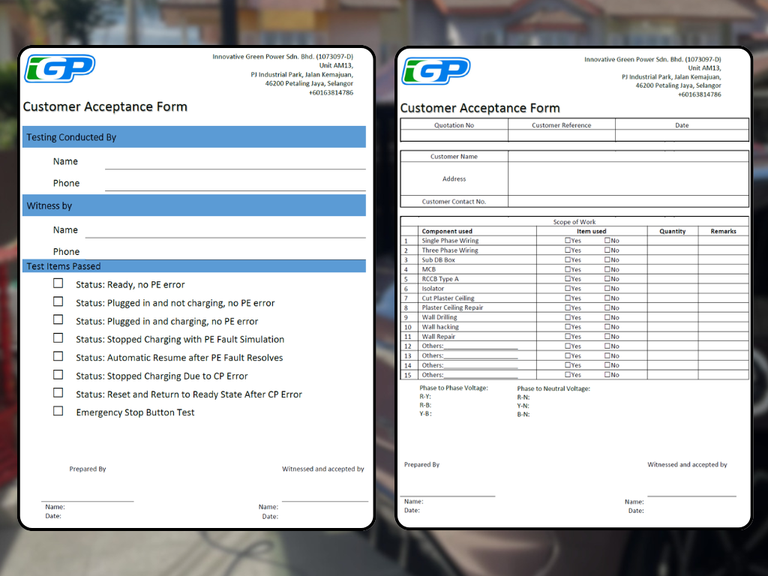
Your charger’s warranty and your home’s insurance may depend on using certified, quality components installed correctly by competent persons. Skimping on component selection risks:
- Voiding your charger warranty
- Rejected insurance claims in case of a fire or electrical incident
- Non-compliance with Suruhanjaya Tenaga and local regulations, requiring costly rework
5. Peace of Mind
When you know that:
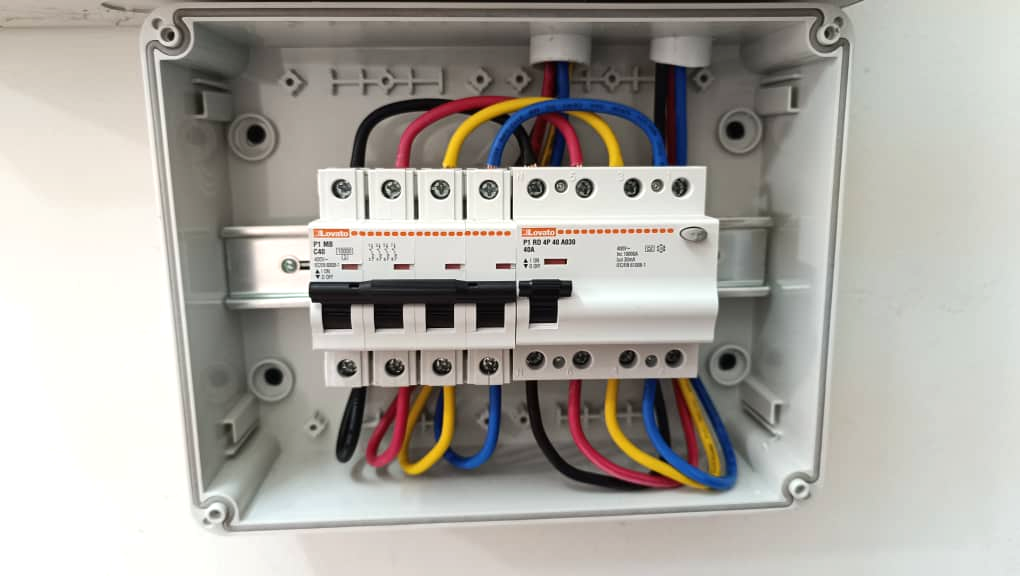
- Your cables are sized correctly, such as using 6mm² copper for 32A chargers
- Your breakers are from reputable brands rated for your environment
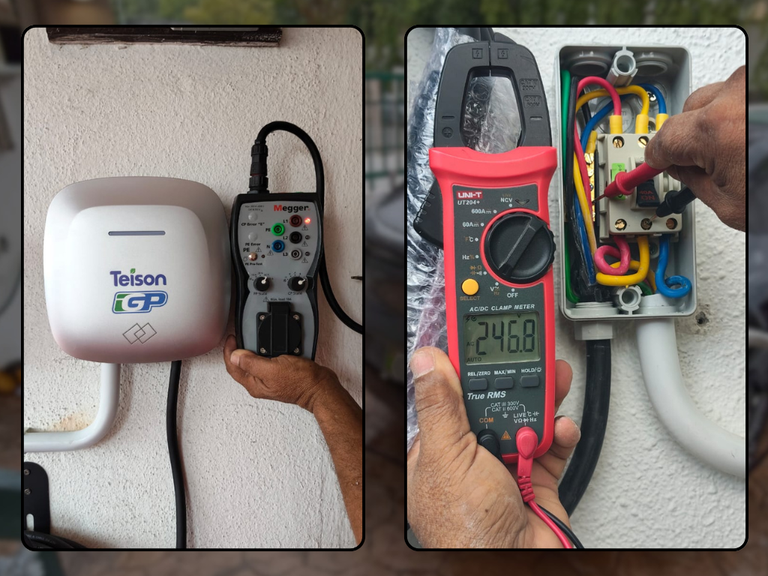
- Your RCCB can handle your system’s leakage currents effectively
- Your charger is protected from voltage fluctuations
- Your home system is not being stressed
You can charge your EV every night confidently, knowing your family and your property are safe.
Conclusion
Home EV charging is not just about plugging in your car. It is about building a safe, reliable, and future-ready charging system in your home. Component selection is not an area to cut corners.
By working with qualified EV charger installers who understand local regulations and quality component selection, you protect your investment, your family, and your peace of mind.
Let our obsession with quality protect your safety.
Because when it comes to EV charging and electrical systems, there is no room for compromise.