By Alvin Wong, CEO of Innovative Green Power Sdn. Bhd.
When you buy an EV, the simplest way to start charging at home is by using the portable charger—often called a granny charger.
It plugs into a standard 3-pin household socket and can deliver up to 8A to 10A (about 1.8 to 2.3 kW). While convenient, it was never designed for continuous, high-demand use.
👉 For long-term, daily charging, a dedicated wallbox is the safer and more reliable choice.
⚠️ Granny Charger Limitations
Granny chargers fall under Mode 2 charging, which connects your EV to the mains with an in-cable control and protection device (IC-CPD).
Regulations in Malaysia allow this only up to 32A and 230V single-phase. In practice, most portable chargers supplied with EVs are limited to much lower currents.
Key risks include:
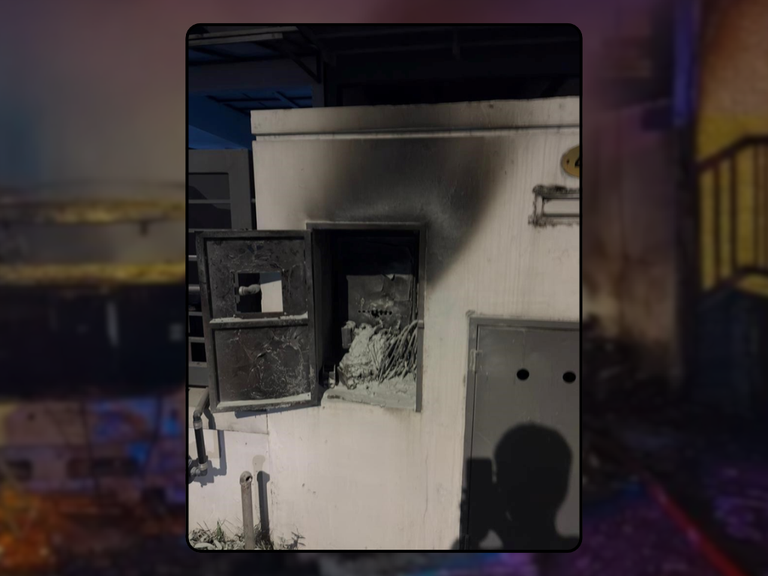
- Heat build-up: Household sockets were designed for short-term appliance use (kettle, vacuum cleaner), not continuous overnight loads. Wear and tear increases resistance, which generates heat and may cause socket melting or burning.
- Mechanical fatigue: Frequent plugging and unplugging stresses the socket’s spring contacts, loosening grip over time.
- Limited protection: Although granny chargers have IC-CPDs, they rely on the home socket wiring. Many Malaysian homes still have older circuits not intended for sustained high loads.
🔎 Real cases of burnt sockets and melted plugs have been documented when granny chargers were used daily over months. These incidents usually trace back to overheating at contact points.
✅ Wallbox Benefits
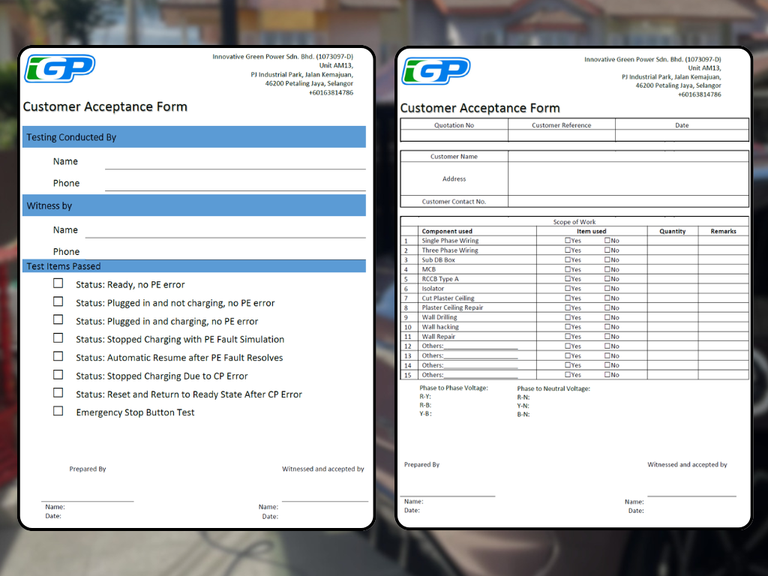
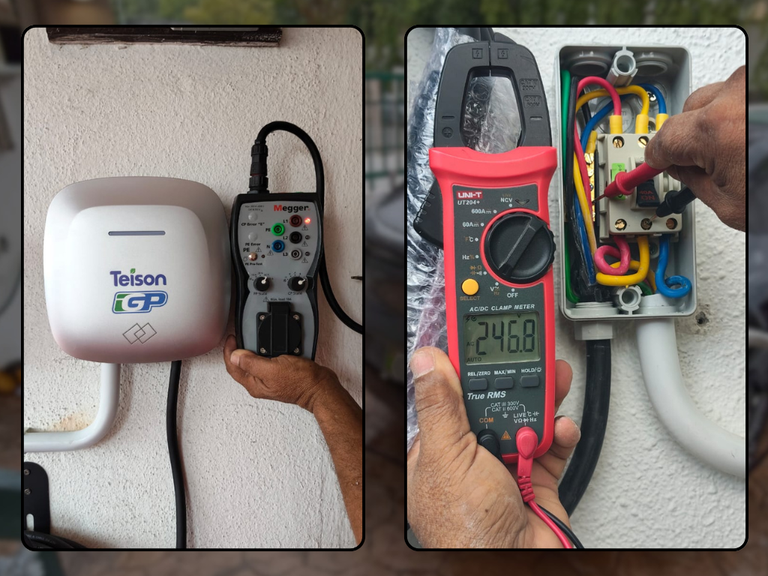
A wallbox falls under Mode 3 charging, which is permanently connected to the home’s electrical system with its own protective devices.
Suruhanjaya Tenaga guidelines require:
- A dedicated final circuit for the EVSE, using armoured or conduit-protected cables sized correctly for the load.
- Residual current protection (RCCB/RCBO 30mA Type A) to guard against earth leakage.
- Overcurrent protection with an MCB or MCCB rated for the EVSE load.
Benefits for the consumer include:
- Safety: Purpose-built to handle continuous charging loads.
- Faster charging: Typically 7 kW on single-phase, 11–22 kW on three-phase, depending on home supply.
- Reliability: Less stress on household sockets and wiring.
- Smart features: Many wallboxes support load balancing, scheduling, and solar integration.
🛡 Insurance and Warranty Considerations
Improper charging setups may affect insurance claims in the event of fire.
Manufacturers and installers also tie warranties to proper installation by certified contractors. Using a granny charger as your main charger could leave you unprotected if something goes wrong.
🧳 When a Granny Charger is Acceptable
- Travel: As a backup on the road where no wallbox is available.
- Emergencies: To add a small amount of range when needed.
- Temporary use: For renters or those awaiting a proper installation.
Even then, precautions should be taken:
- Avoid extension cords.
- Ensure the socket is in good condition.
- Never leave it on damaged or loosely mounted outlets.
📝 Consumer Checklist for Safe Charging at Home
- Install a dedicated wallbox for daily charging.
- Ensure installation is by a Suruhanjaya Tenaga–registered contractor.
- Check your home wiring—old wiring may need upgrading to support higher loads.
- Do not rely on 3-pin sockets long term. Use them only for temporary or travel needs.
- Maintain your EVSE with regular inspections, as required under ST guidelines.
🔒 Conclusion
For occasional top-ups, the granny charger is fine.
But for long-term, daily use, a dedicated wallbox is the safer, faster, and regulation-compliant solution. It protects your home wiring, your vehicle, and your peace of mind.💡 Let our obsession with quality protect your safety. Because when it comes to EV charging and electrical systems, there’s no room fo