By Alvin Wong, CEO of Innovative Green Power Sdn. Bhd.
As EV adoption grows in Malaysia, so do the myths about home charging. Many new EV owners get caught up in assumptions that don’t reflect how EV charging systems really work.
Let’s address some of the most common misconceptions — and clear up the confusion once and for all.
—
Myth 1: “22kW is always better”
Not true for most Malaysian homes. Many older landed houses are single-phase, which means they can only support up to 7kW charging.
Even with a three-phase supply, your EV’s onboard charger (OBC) determines the maximum AC charging speed. For example, if your car only accepts 11kW AC, installing a 22kW wallbox won’t make it charge any faster.
Tip: Always check your EV’s OBC before deciding on charger size — it’s the key factor that sets your charging limit.
—
Myth 2: “A 3-pin socket is good enough for everyday charging”
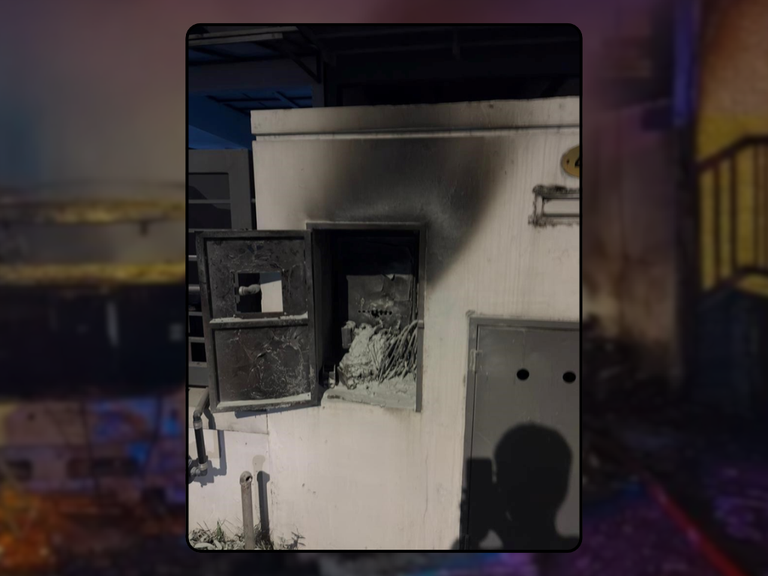
The 3-pin “granny charger” should only be a backup. Malaysia’s sockets are designed for intermittent use, not continuous high load. Continuous 8–10 hours of charging daily stresses the socket, leading to overheating and potential fire hazards over time.
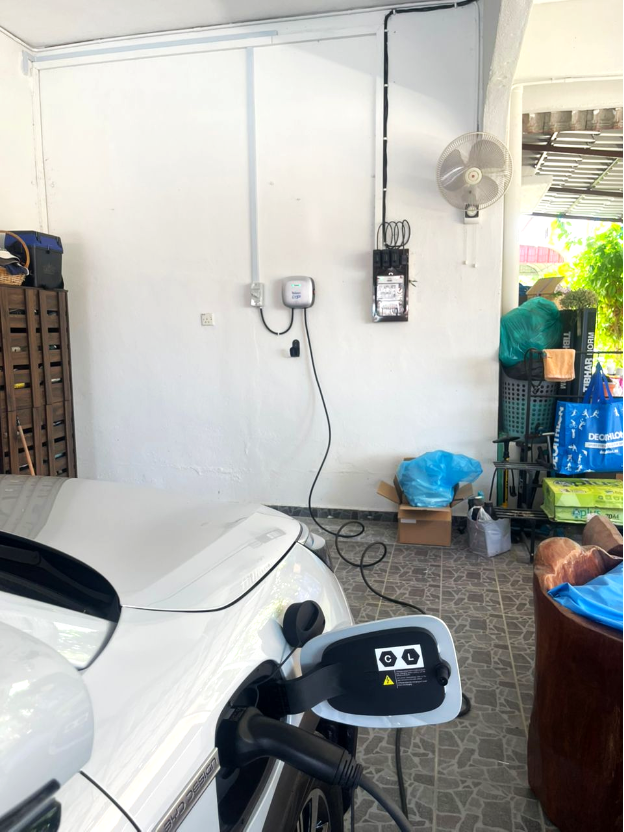
A dedicated wallbox with its own circuit and protective devices is the proper long-term solution.
Think safety first — a proper wallbox isn’t just faster, it’s safer for your home.
—
Myth 3: “Home chargers are plug-and-play, anyone can install them”
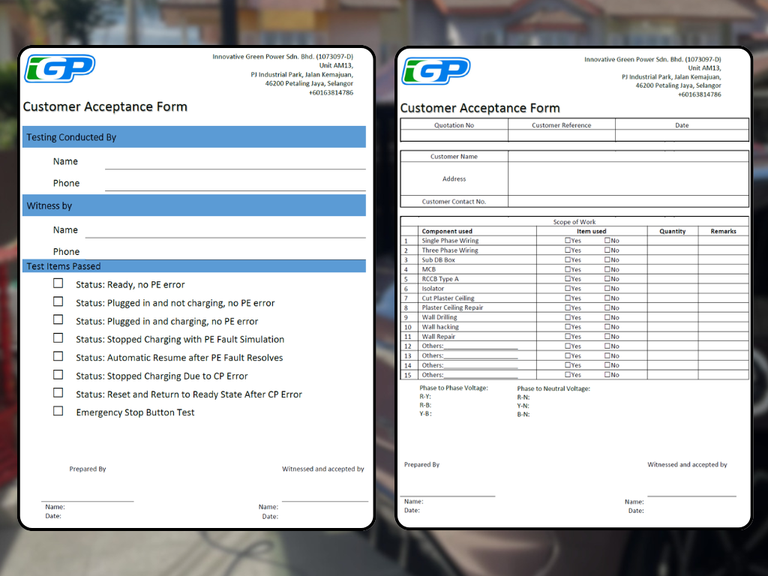
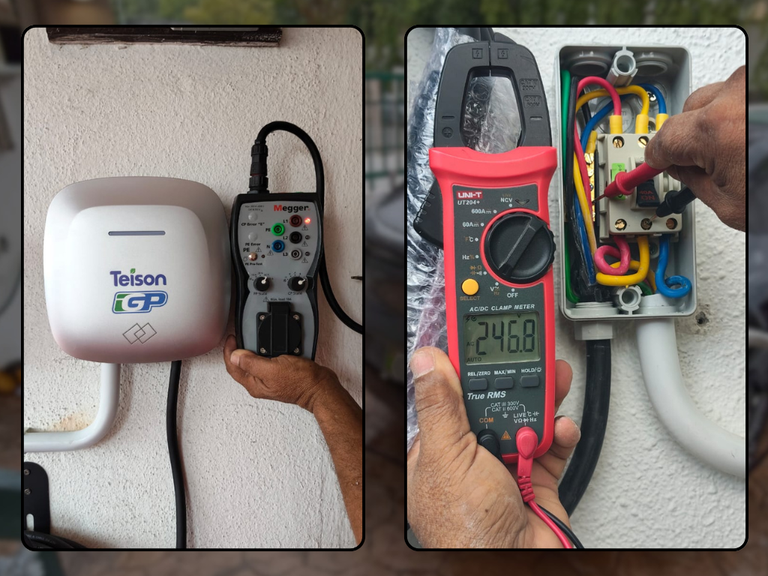
Wrong. By regulation, all EV chargers must be installed by a competent person registered with the Energy Commission. Proper installation requires load calculations, dedicated circuits, RCD/RCBO protection, and compliance with wiring standards. Cutting corners risks voiding both your charger’s warranty and your home insurance.
Always use a certified installer — safety, compliance, and peace of mind go hand in hand.
—
Myth 4: “Faster charging always means higher electricity bills”
Your bill is based on the total energy consumed (kWh), not the charging speed. Whether you charge slowly overnight or quickly at 22kW (if supported), the cost for the same amount of energy is the same. The main difference lies in how quickly you can replenish your battery, not how much you spend.
Speed changes convenience — not your bill.
—
Myth 5: “I can use any charger with any EV”
Not entirely true. Malaysia follows Type 2 AC connectors and CCS2 for DC fast charging. Using the wrong connector type or uncertified equipment may damage your car or pose safety risks. Always ensure compatibility between your EV and the charger.
Pro tip: Stick with Type 2 and CCS2 certified chargers for hassle-free, safe charging every time.
—
Myth 6: “Once installed, I don’t need to think about my charger anymore”
Just like any other electrical equipment, your EVSE needs preventive maintenance. Suruhanjaya Tenaga guidelines specify that EV chargers should be inspected regularly and kept in safe working condition.
A quick annual check ensures your system remains reliable and safe.
Regular maintenance = long-term safety and performance.
—
Key Takeaway
Home charging isn’t about chasing the highest kW rating.
It’s about safe, efficient, and properly installed systems that match your car’s capability and your home’s electrical capacity.
Safe and Reliable EV Charging Systems, one at a time.
WhatsApp us: https://wa.me/60125954786