By Alvin Wong, CEO of Innovative Green Power Sdn. Bhd.
Your EV charger may be smart — but is your fire safety smarter?
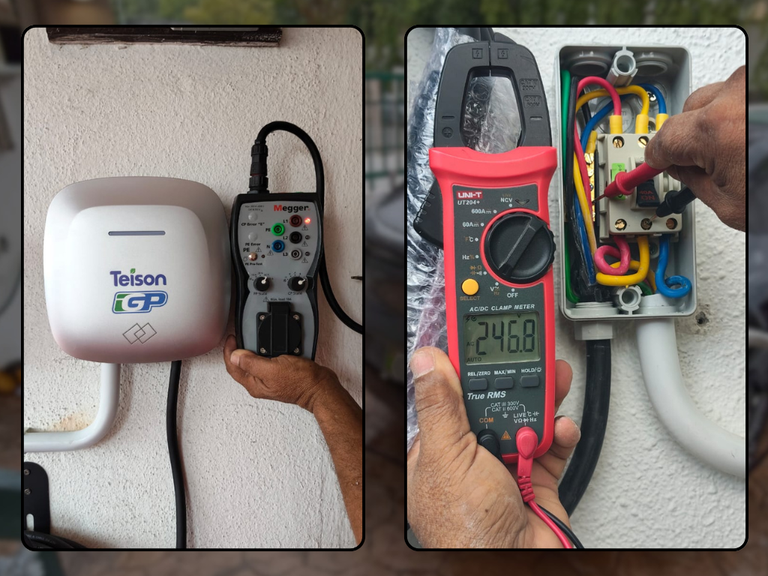
Modern EV chargers are built with protection layers, yet simple safety steps at home can make all the difference.
From keeping a fire extinguisher nearby to installing smoke alarms and ensuring proper ventilation — these small actions create a safer charging environment for your family and home.
Read our full article to learn the 4 key fire safety precautions every EV owner should follow
__________
Fire Safety Precautions at Home EV Charging
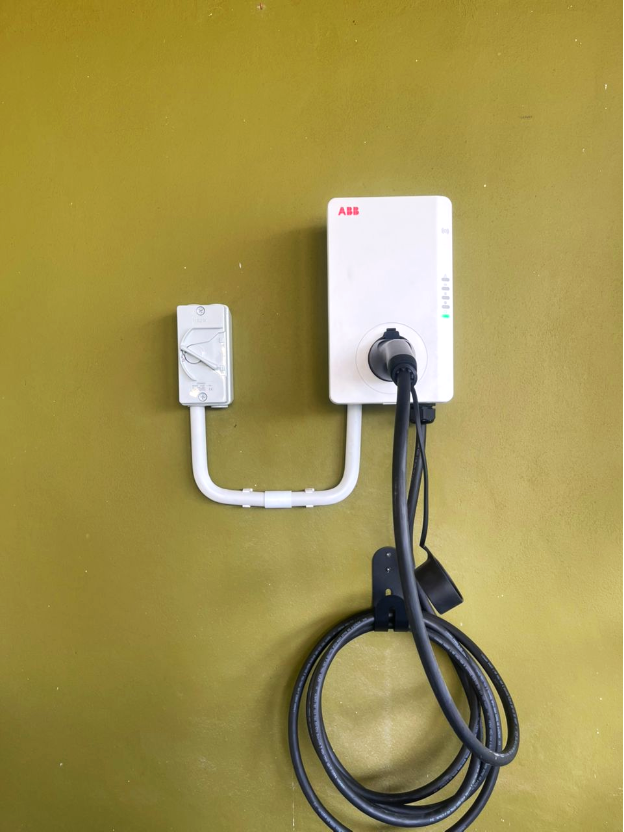
When installing a home EV charger, electrical safety is just one part of the equation. Fire safety is equally important.
While modern EV chargers are designed with multiple layers of protection, it’s best to have precautionary measures in place at home. Here are four key areas you should focus on:
Keep Fire Extinguishers Within Reach
– Always equip your home charging area with a dry powder fire extinguisher (APA) rated for electrical fires. – This ensures you can act quickly in the unlikely event of an electrical fault leading to a fire.
– Guidelines recommend extinguishers conforming to MS 1539 standards for portable extinguishers.
– Place the extinguisher in a visible, easily accessible spot, ideally mounted on a wall near the charger but away from potential fire sources.
– Make sure all household members know how to use it properly.
Use a Fire Blanket for Added Safety
– A vehicle fire blanket (VFB) is a large, specialized blanket designed to smother a car fire and stop flames from spreading before emergency services arrive.
– Planning guidelines recommend at least one VFB for every EV charger installation.
– Keep it close to the charging bay but stored neatly so it can be deployed quickly.
Remember: a fire blanket doesn’t replace the fire department — it’s meant to buy time and reduce damage.
Smoke Alarms Increase Response Time
– Early detection is critical in any fire scenario. Installing smoke alarms in strategic locations can greatly improve your response time if a meltdown or overheating event occurs.
– Recommended placements include:
Above the main distribution board (DB): Alerts you to faults in your home’s central wiring hub.
Above the TNB fuse and meter area: Provides early warning where power first enters the home.
Above the EV charger: Gives immediate detection if the charger or cabling develops a fault.
– Ensure that alarms are rated for electrical and utility areas, tested monthly, and kept free of dust for reliable operation.
Charger Placement Matters
– The physical placement of your EV charger also plays a role in fire safety.
– Avoid obstructing escape routes: Never install chargers near stairways, doorways, or emergency exits.
– Keep clear of combustible items: Do not store paint, solvents, cardboard, or other flammable materials around the charger area.
– Ensure ventilation: For indoor chargers, proper airflow reduces heat build-up and prolongs component life.
Why This Matters
– Most EV charger-related incidents can be prevented with proper installation and protective devices (MCB, RCCB, surge protection).
– A correctly designed EV charging setup will cut off power automatically in nearly all cases of overload, earth leakage, or short circuit.
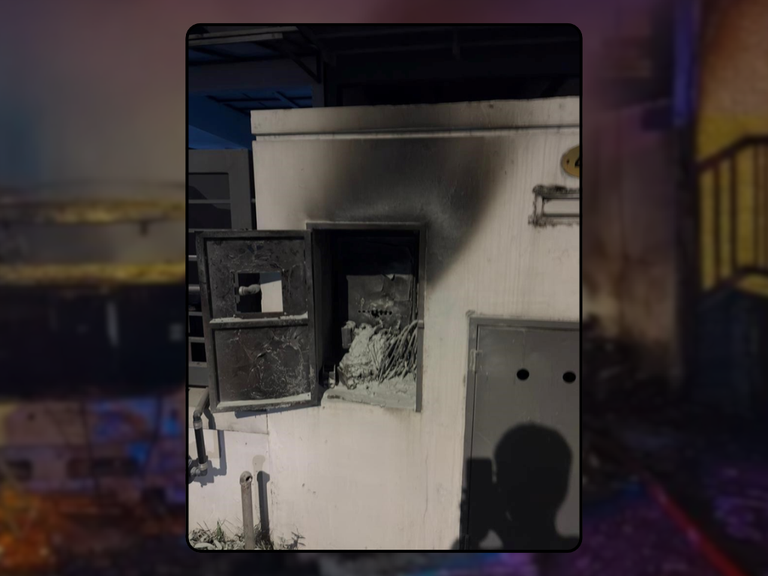
– The exception is a fuse meltdown at the TNB fuse and meter area, which sits before the consumer’s protective devices. In that scenario, a smoke alarm placed directly above this area can provide the earliest warning — giving you precious extra time to act.
– By combining certified installation with added fire precautions — extinguishers, fire blankets, smoke alarms, and thoughtful charger placement — you cover both prevention and response, ensuring your home remains safe.
Final Thought
Home EV charging is safe when designed and installed correctly.
By combining proper electrical protection with fire safety tools, you gain both convenience and peace of mind.
Safe and Reliable EV Charging Systems, one at a time.
WhatsApp us: https://wa.me/60125954786