What IEC and Malaysian Standards Allow — Especially with Solar ATAP and BESS
By Alvin Wong, CEO of Innovative Green Power Sdn. Bhd.
As Solar ATAP (Atap Solar) installations become more common in Malaysia, and as Battery Energy Storage Systems (BESS) start entering residential homes, questions around AC and DC cabling are no longer academic.
Home electrical systems are evolving from:
- Purely AC installations
to
- Hybrid AC–DC systems involving:
- Solar PV DC strings
- Inverter DC links
- BESS DC cabling
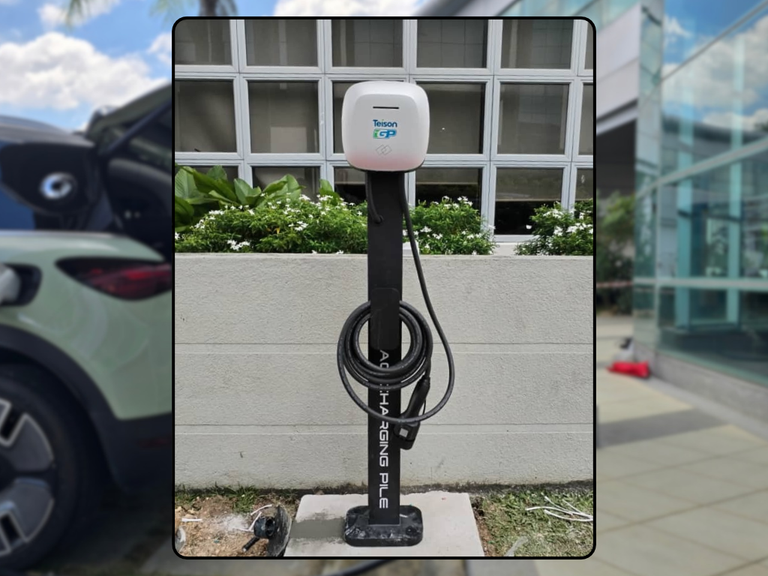
- EV charging equipment
With this evolution comes a critical question:
Can AC and DC cables run together, and if so, under what conditions?
This article explains what IEC and Malaysian-adopted standards actually allow, why segregation matters more in solar- and battery-equipped homes, and how EV charging fits into this picture.
1. Modern Homes Are Becoming Mixed AC–DC Systems
Traditionally, Malaysian homes were:
- Almost entirely AC-based
- With DC limited to internal electronics
With Solar ATAP, BESS, and EV charging:
- DC cabling now extends beyond equipment enclosures
- Fault energy levels increase
- Control and protection coordination becomes more complex
This is exactly why IEC standards have long-established segregation rules — and why they are becoming more relevant, not less.
2. The Core Standard Governing Cable Segregation
Cable routing and segregation are governed by:
IEC 60364-5-52
Selection and erection of wiring systems
This standard is adopted in Malaysia via:
- MS IEC 60364
- Enforced under Suruhanjaya Tenaga wiring guidelines
The guiding principle remains:
Conductors with different electrical characteristics must not adversely influence each other under normal or fault conditions.
3. Why AC and DC Conductors Behave Differently
AC conductors:
- Produce alternating magnetic fields
- Can induce electromagnetic interference (EMI)
- Carry short-circuit currents that extinguish naturally at zero crossing
DC conductors (PV, BESS, EV internal DC):
- Produce steady magnetic fields
- Can sustain arcs once initiated
- Carry fault currents without natural zero crossing
- Require different protection strategies
These differences are fundamental, not installation preferences.
4. Solar ATAP and BESS Make DC Cabling a System-Level Issue
Solar ATAP (PV DC strings)
- High-voltage DC
- Exposed rooftop routing
- Long cable runs
- High arc fault risk if improperly installed
BESS DC cabling
- High fault energy
- Bidirectional current flow
- Thermal runaway risk if faults propagate
When DC systems expand beyond equipment enclosures:
Segregation becomes a safety requirement, not just good practice.
5. What IEC 60364-5-52 Actually Allows
IEC 60364-5-52 allows AC and DC cables to share containment only if strict conditions are met, including:
- All conductors are insulated for the highest voltage present
- The containment system is suitable for DC fault conditions
- Thermal and electromagnetic effects are controlled
- The cables are part of the same system, or
- Adequate partitions or barriers are provided
In mixed solar–battery–EV homes, these conditions are rarely met by default.
6. Why Casual Mixing of AC and DC Is Risky in Solar and BESS Homes
When AC and DC cables are run together without design intent:
- DC fault arcs can damage adjacent AC insulation
- AC magnetic fields can interfere with BESS monitoring and control
- Faults may propagate across systems
- Maintenance becomes hazardous and ambiguous
These are known risks addressed directly by segregation rules.
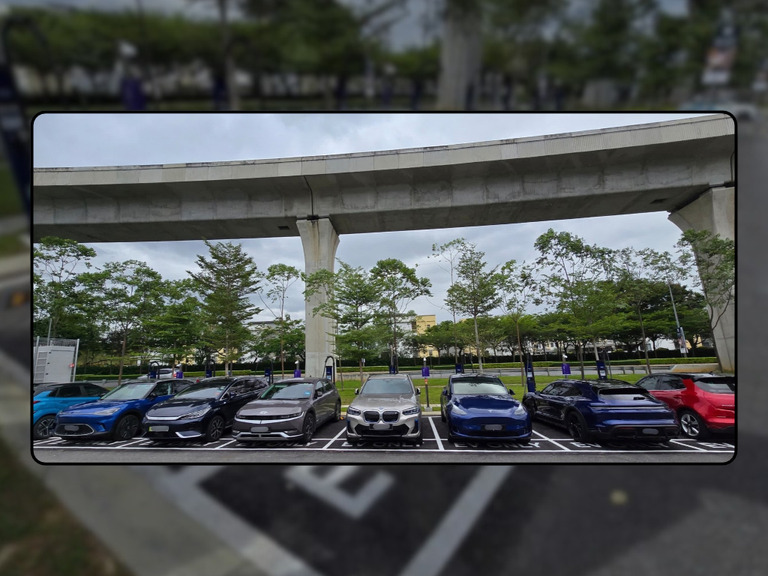
7. Where EV Charging Fits into This Picture
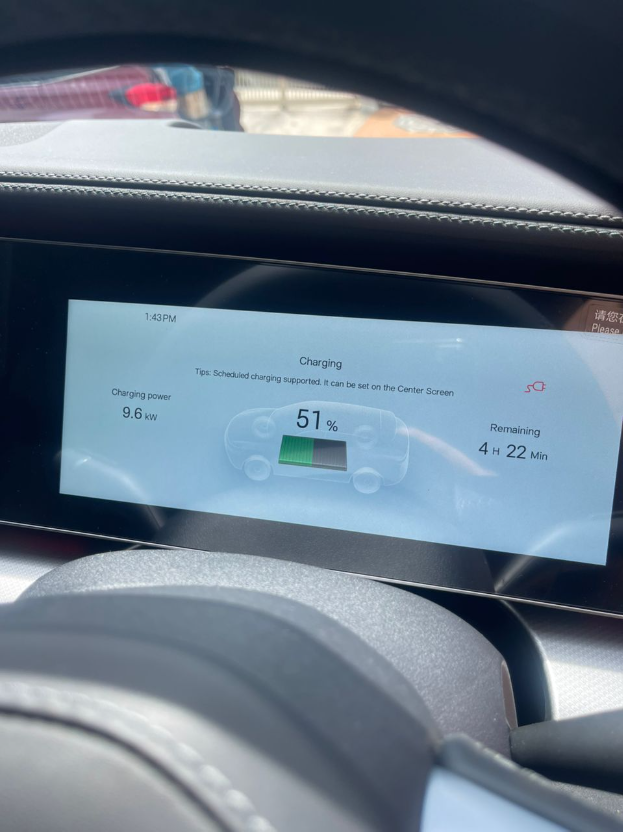
EV chargers add another layer:
- High continuous AC load
- Internal DC conversion
- Sensitive control signalling (CP, PP)
While EV charger DC components are usually enclosed:
- AC supply cables still interact with other systems
- Control cables may be affected by nearby DC or PV cabling
This reinforces the need for:
- Deliberate routing
- Clear identification
- Standards-based segregation
8. Malaysian Regulatory Practice on Mixed AC–DC Systems
Malaysia does not create separate solar or EV cabling rules in isolation.
Instead:
- MS IEC 60364 applies to the entire installation
- ST guidelines require system-wide safety
- The competent person must assess interaction between systems
If AC and DC cables are mixed in a way that:
- Violates IEC intent
- Introduces unmanaged risk
the installation is non-compliant, even if each subsystem works individually.
9. Common Misconception: “Everything Is Insulated, So It’s Fine”
Insulation rating alone does not satisfy IEC segregation intent.
Standards consider:
- Arc behaviour
- EMI
- Fault energy
- Maintenance safety
- Fire propagation pathways
This is why:
- PV DC cables are often routed separately
- BESS DC cabling is tightly controlled
- Control cables are segregated or shielded
10. What Good Practice Looks Like in Solar–BESS–EV Homes
Good, standards-aligned practice includes:
- Dedicated routing for PV DC strings
- Controlled DC cabling paths for BESS
- Clear separation between AC distribution and DC systems
- Proper labelling and documentation
- Adherence to manufacturer installation manuals
This approach anticipates future expansion, not just today’s installation.
11. How Readers Can Verify This Themselves
You can independently refer to:
- IEC 60364-5-52 – Cable routing and segregation
- MS IEC 60364 – Malaysian adoption
- IEC 61851-1 – EV charging systems
- IEC 62109 – Safety of power converters for PV and BESS
- ST wiring and solar guidelines
These documents consistently reinforce segregation as a design requirement.
Final Takeaway
As Malaysian homes evolve into hybrid AC–DC energy systems, the question is no longer:
“Can AC and DC cables run together?”
The correct question is:
Has the system been designed so that AC and DC conductors cannot endanger each other under normal or fault conditions?
With Solar ATAP, BESS, and EV charging converging, cable segregation is foundational to long-term safety, not optional neatness.
Safe and Reliable EV Charging Systems, one at a time.
WhatsApp us: https://wa.me/60125954786