By Alvin Wong, CEO of Innovative Green Power Sdn. Bhd.
One of the most important — and most misunderstood — concepts in EV charger installation is this:
An EV charger is classified as a continuous electrical load.
This classification is not a semantic label.
It fundamentally changes how cables, breakers, and protection devices must be selected and coordinated.
This article explains:
- What “continuous load” means in standards
- Why EV chargers fall into this category
- How electrical design changes as a result
- Why ignoring this leads to long-term, often invisible issues
1. What Is a Continuous Load?
In electrical standards, a continuous load is a load that operates at or near its rated current for extended durations.
Under MS IEC 60364 and associated IEC standards, this typically means:
- Operation lasting several hours
- Minimal cycling or rest periods
- Sustained thermal stress on conductors and devices
This is fundamentally different from appliances such as:
- Kettles
- Microwaves
- Ovens
which operate at high power, but only for short, intermittent periods.
2. Why EV Chargers Meet the Definition of a Continuous Load
A typical home EV charger:
- Operates at 7 kW or higher
- Draws approximately 32 A continuously
- Charges for 2 to 8 hours per session
- Repeats this cycle frequently
Under IEC 61851-1, EV chargers are designed to:
- Deliver sustained current
- Maintain output stability
- Adjust only when electrical or thermal limits are reached
From a standards perspective, this is a textbook continuous load.
3. How Continuous Loads Are Treated Differently in Standards
Electrical standards do not assume continuous loads behave like intermittent ones.
Under IEC 60364 and IEC 60364-5-52, continuous loads require:
- Larger conductor cross-sections
- Conservative thermal margins
- Careful protection coordination
- Voltage drop control over long durations
The objective is not simply “working today”, but safe operation over the service life of the installation.
4. Impact on Cable Selection
For continuous loads:
- Conductors operate at elevated temperatures
- Resistance increases as temperature rises
- Insulation ageing accelerates when margins are tight
This is why EV charging guidelines and competent design practice:
- Treat 6 mm² as a practical minimum for many 7 kW installations
- Require cable size to be evaluated together with length, routing, and installation method
Cable selection based purely on nominal current is incomplete.
5. Impact on MCB and Protection Device Selection
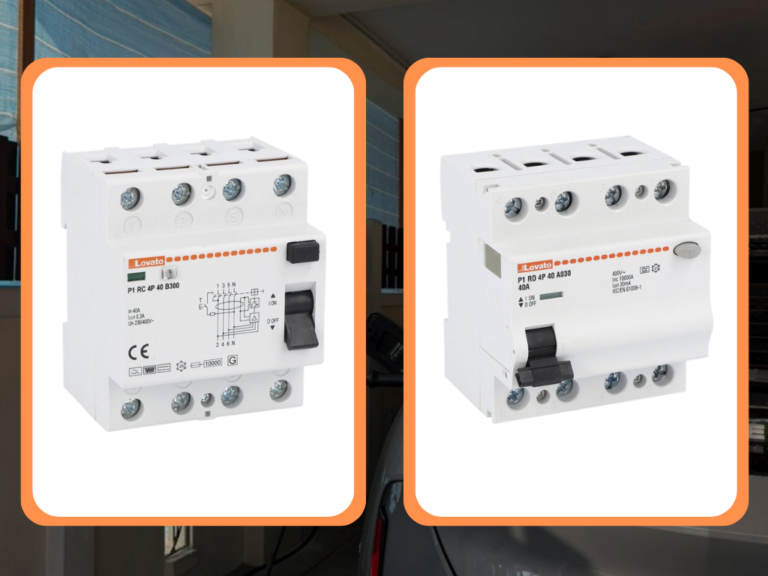
MCBs are thermal–magnetic protection devices, not power delivery components.
Under IEC 60898-1, an MCB’s rated current:
- Indicates the current it can carry without tripping under defined reference conditions
- Does not imply indefinite cool operation under continuous load
This distinction matters for EV charging, where current is sustained for hours.
6. How Continuous Thermal Behaviour of MCBs Is Considered in Practice
Standards do not publish a separate “continuous load rating” for MCBs.
Instead, continuous thermal behaviour is addressed indirectly through:
- Time–current characteristic curves, which show prolonged operation near rated current occurs in the thermal region
- Reference ambient conditions, typically 30°C, under which ratings are established
- Manufacturer derating guidance, which reduces permissible current as ambient temperature rises
This information is usually found in:
- Manufacturer technical datasheets
- Engineering catalogues
- Application notes on temperature derating
It is not printed on the MCB itself, and is often overlooked unless one reviews the engineering documentation.
The implication is clear:
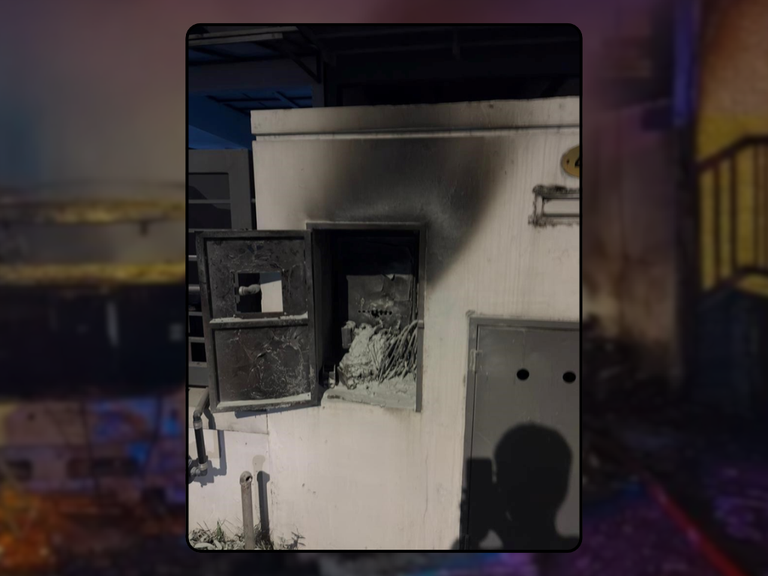
An MCB may remain ON at its rated current, yet operate at elevated internal temperature under continuous load.
EV charging exposes this behaviour far more clearly than intermittent household loads.
7. Why This Matters for Long-Term Reliability
When an MCB operates close to its thermal limits for long periods:
- Internal temperature remains elevated
- Calibration can drift over time
- Contact wear accelerates
- Nuisance tripping becomes more likely months or years later
Standards anticipate this by requiring designers to:
- Consider load characteristics
- Provide thermal margin
- Avoid operating protective devices at their limits during normal use
This is why EV charging circuits cannot be treated like socket circuits.
8. Impact on Voltage Drop and Stability
Continuous current draw also means:
- Voltage drop is sustained, not momentary
- Conductors heat up, increasing resistance
- Marginal designs worsen with time
Under MS IEC 60364, voltage drop limits exist to prevent:
- Equipment malfunction
- Excessive thermal stress
- Compensatory overcurrent behaviour
EV chargers are particularly sensitive because they actively monitor supply conditions and will reduce output or stop charging when limits are exceeded.
9. Continuous Loads in Modern Malaysian Homes
With the increasing presence of:
- Solar ATAP
- Battery Energy Storage Systems (BESS)
- EV chargers
Homes are operating closer to their electrical design limits.
Continuous loads magnify:
- Thermal interaction between circuits
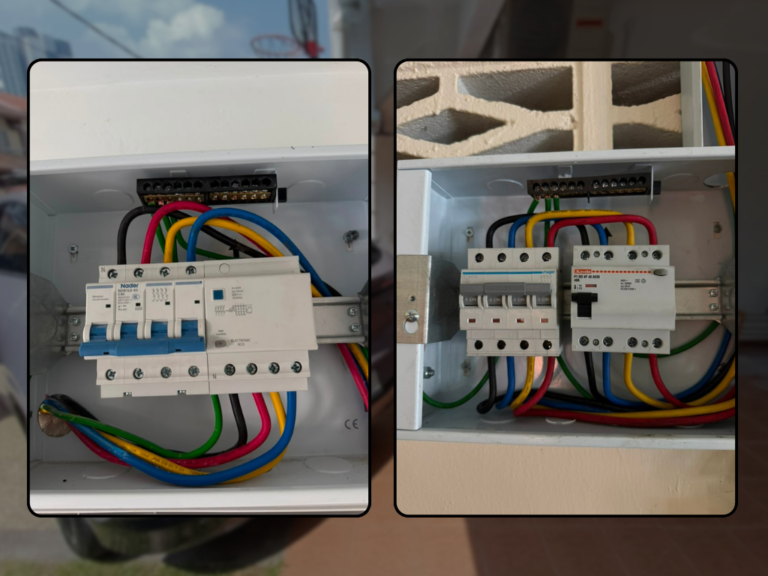
- Enclosure heating
- Protection coordination challenges
This makes standards-based design more important, not less.
10. How Malaysian Regulations Enforce This Concept
Malaysia enforces continuous-load design by:
- Adopting MS IEC 60364
- Requiring competent persons attached to registered entities to apply standards correctly
- Holding both the entity and competent person accountable for installation safety
There is no EV-specific exemption that relaxes these requirements.
11. What EV Owners Should Listen For
EV owners do not need to interpret time–current curves.
But they can listen for whether an installer explains:
- Continuous load behaviour
- Thermal margin
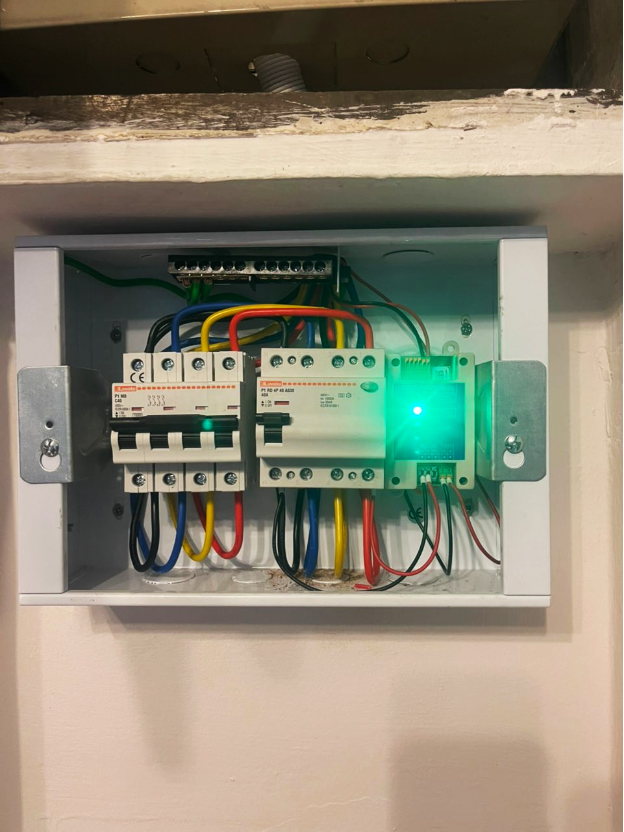
- Cable and breaker coordination
- Long-term reliability considerations
Explanations focused only on “rating numbers” are usually incomplete.
Final Takeaway
EV chargers are classified as continuous loads because:
They impose sustained electrical stress, not short bursts of demand.
This classification changes:
- Cable sizing
- MCB and protection selection
- Voltage drop considerations
- Long-term reliability expectations
MCB ratings guarantee non-tripping under reference conditions —
they do not guarantee thermal comfort under continuous EV charging.
Good EV charging installations respect this reality.
Poor ones ignore it — until problems surface later.
Safe and Reliable EV Charging Systems, one at a time.
WhatsApp us: https://wa.me/60125954786