One of the most common questions new EV owners ask is:
“Should I install single-phase or three-phase charging at home?”
The answer is not just about speed.
It depends on:
- Your home electrical supply
- Your EV’s onboard charger (OBC)
- Your daily usage needs
If misunderstood, this decision can lead to:
- Overspending
- Underutilised systems
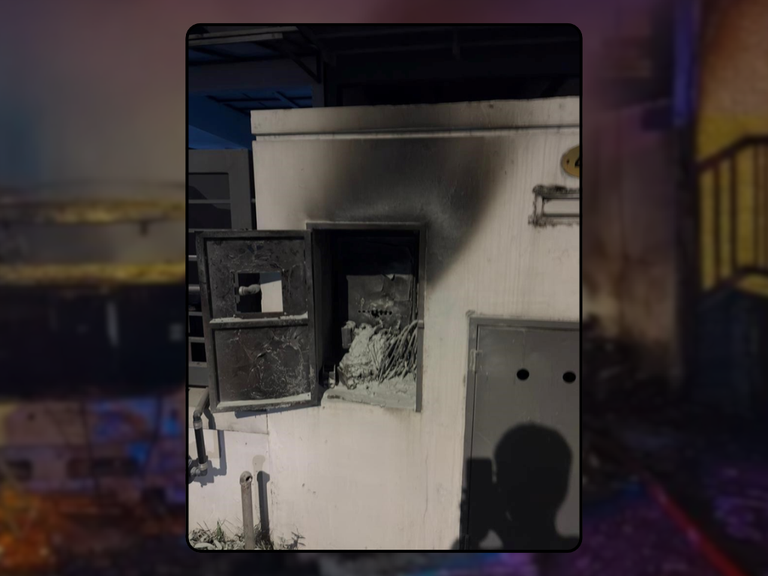
- Or worse, unsafe installations
1. Understanding the Basics
Single Phase Charging
- Standard in most Malaysian homes
- 230V supply
- Typically supports up to 7kW (32A) charging
Three Phase Charging
- Found in larger homes or upgraded properties
- 400V supply
- Can support 11kW or 22kW charging (depending on system)
2. The Biggest Misconception About 11kW Chargers
This is where many people get it wrong.
An 11kW charger is NOT a “faster 7kW charger.”
It is:
- A three-phase 16A system
Important:
If you install an 11kW charger on a single-phase home:
It will NOT deliver 11kW
In most cases:
- It may not function properly
- Or it will be limited to single-phase capability (if supported)
3. Your EV Determines the Actual Charging Speed
Even if your house supports higher power:
Your car is the final limiter.
Example:
- Many EVs in Malaysia support single-phase ~6–7kW
- Some support three-phase 11kW
- Fewer support full 22kW AC charging
Reality:
Buying a higher-rated charger does not guarantee faster charging.
4. Malaysian Market Reality: Mixed EV Capabilities
Malaysia has a mix of EV brands:
- BYD → typically single-phase dominant
- Tesla → varies by model
- Hyundai / Kia → often three-phase capable
- Others → mixed specifications
Key takeaway:
Your next car may not have the same charging capability as your current one.
Design your system for flexibility, not assumptions.
5. Most Homes in Malaysia Are Single Phase
This is the practical constraint.
Especially for:
- Older landed homes
- Terrace houses
- Some strata units
Typical limitations:
- 60A main fuse (or similar range)
- Shared load across appliances
Result:
Even if you want faster charging:
Your infrastructure may not support it without upgrades
6. When Does Three Phase Make Sense?
Upgrading to three-phase is not always necessary.
It makes sense if:
- You have multiple EVs
- You require faster turnaround charging
- Your home already has or can support three-phase
- You have high overall electrical demand
It may NOT make sense if:
- You charge overnight
- You only have one EV
- Your daily usage is moderate
Reality:
Most EV owners only need:
20–40 kWh per day
Which can easily be handled by:
- Single-phase overnight charging
7. Cost and Complexity Considerations
Single Phase Setup:
- Lower installation cost
- Simpler design
- Minimal upgrades required
Three Phase Setup:
- Higher installation cost
- Possible TNB upgrade application
- More complex wiring and protection
Additional costs may include:
- Supply upgrade
- New cabling
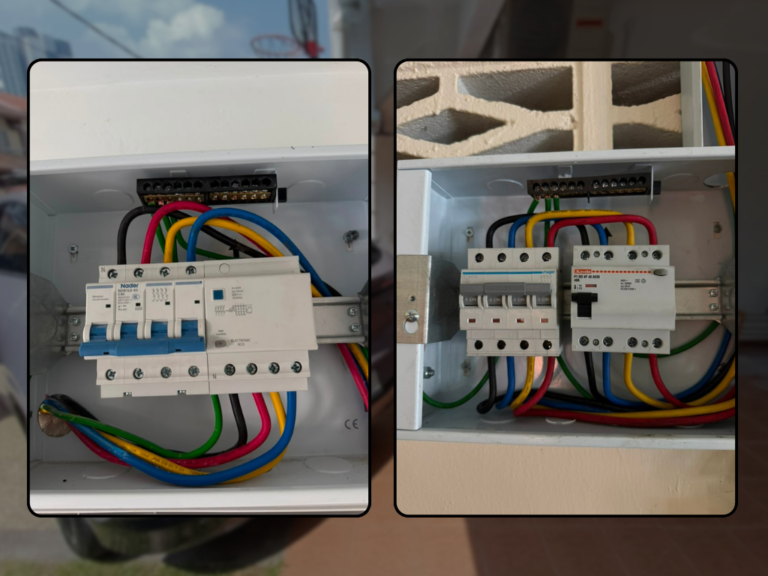
- Distribution board modification
8. Safety Considerations (Often Overlooked)
Higher power = higher responsibility.
Three-phase systems:
- Carry more energy
- Require more precise balancing
- Need proper protection coordination
Regardless of phase type:
EVCS guidelines require:
- Dedicated circuit
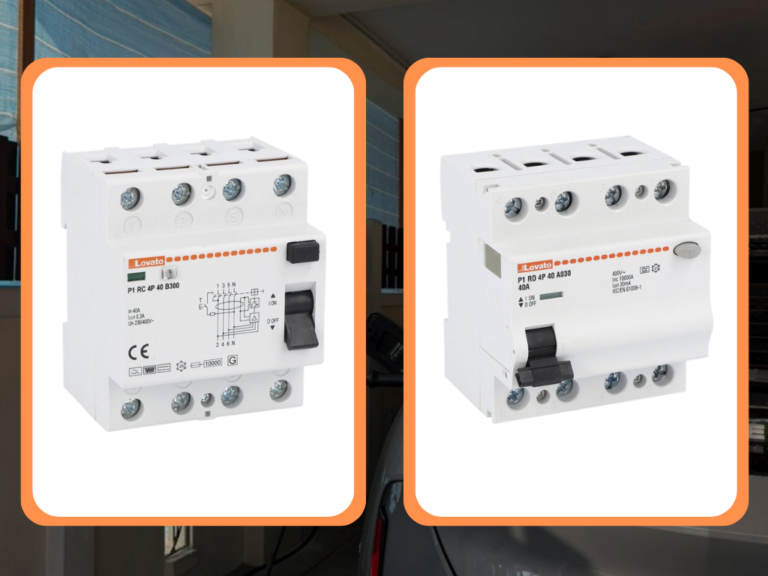
- Proper protection devices
- Correct cable sizing
9. Smart Alternative: Load Management Instead of Upgrading
Instead of upgrading to three-phase, many homes benefit more from:
Smart solutions:
- Load balancing systems
- Smart chargers with dynamic current control
Benefits:
- Avoid overload
- Maximise available capacity
- Reduce upgrade cost
This is often the most practical solution in Malaysia.
10. Simple Decision Guide
Choose Single Phase if:
- You have a standard home
- You charge overnight
- You want cost-effective setup
Consider Three Phase if:
- You have multiple EVs
- You need faster charging
- Your infrastructure supports it
Final Thoughts
The decision between single-phase and three-phase is not about chasing higher numbers.
It is about:
Matching your electrical system, your EV, and your actual usage.
Most homeowners in Malaysia:
- Do not need three-phase charging
- Benefit more from proper system design than higher power
If you’re unsure, the best approach is:
- Assess your home properly
- Understand your real charging needs
- Design a system that works safely and efficiently
If you’re planning your installation, continue here:
→ What Makes a Good EV Charger Installer in Malaysia?
→ EV Charger Installation Cost in Malaysia (2026)
Let our obsession with quality protect your safety.
Because when it comes to EV charging and electrical systems, there’s no room for compromise.
Need your EV charger or electrical setup professionally inspected?
📞 WhatsApp Us: https://wa.me/60125954786
Stay connected with us:
🔹 Instagram: https://www.instagram.com/InnovativeGreenPowerMY
🔹 Facebook: https://www.facebook.com/innovativegreenpower
🔹 YouTube: https://www.youtube.com/@IGPEVCharging-ir8rv
🌍 Website: https://www.innovativegreenpower.com