1. Introduction
When installing a home EV charger, many owners wonder whether to choose a 7-kW single-phase unit or a 22 kW three-phase unit. While a higher rating may sound attractive, it’s not always necessary. This article compares the two options and helps you decide which fits your home and vehicle.
2. Power Supply and Installation
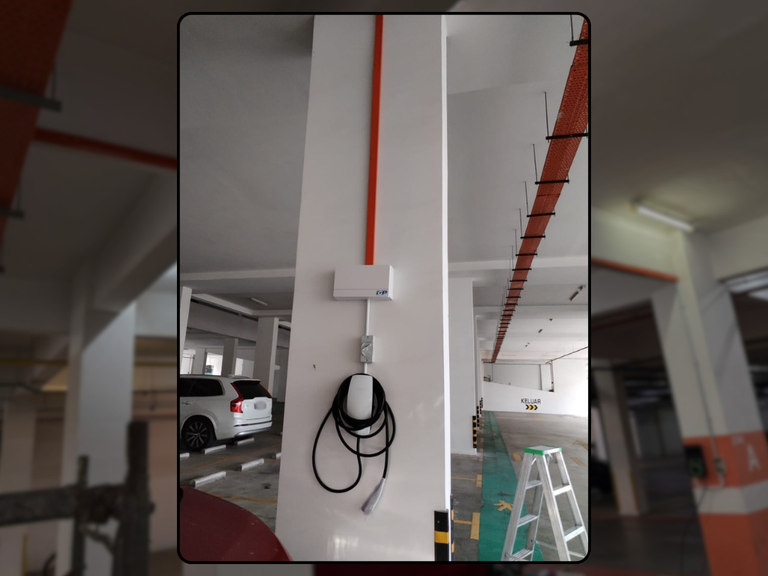
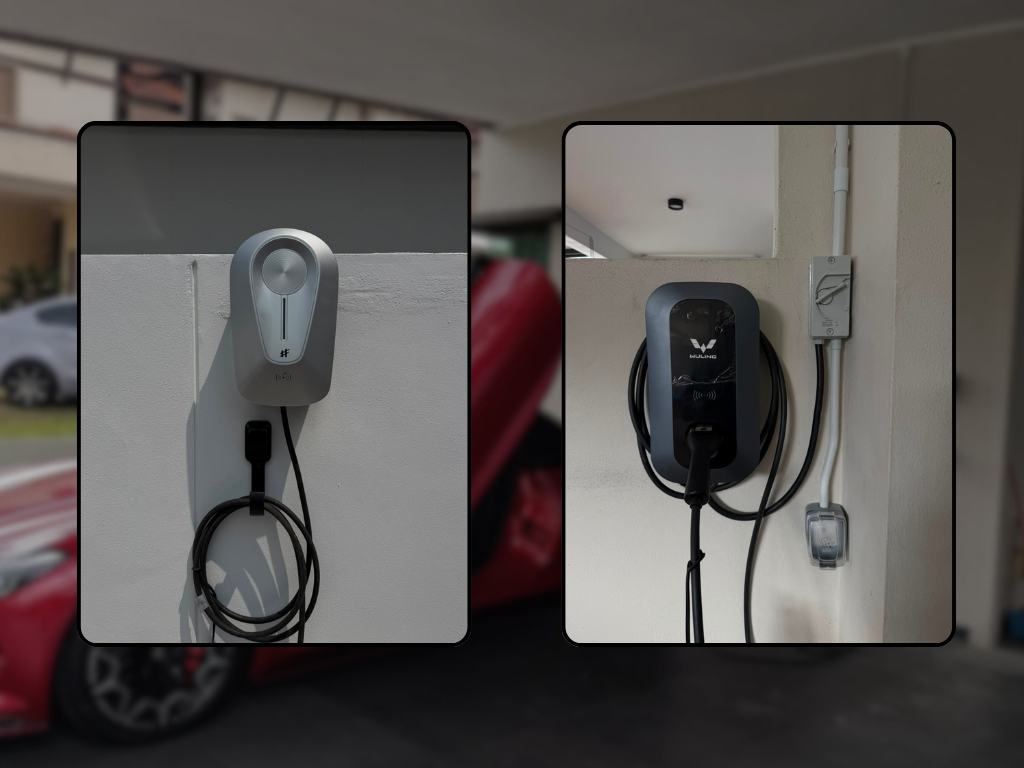
- 7 kW Chargers: Operate on single-phase 230 V supply and draw about 32 A. This is the maximum practical load for most Malaysian homes, which typically support total loads up to 10 kW. Installation requires a dedicated circuit with 6 mm² cables and protection devices.
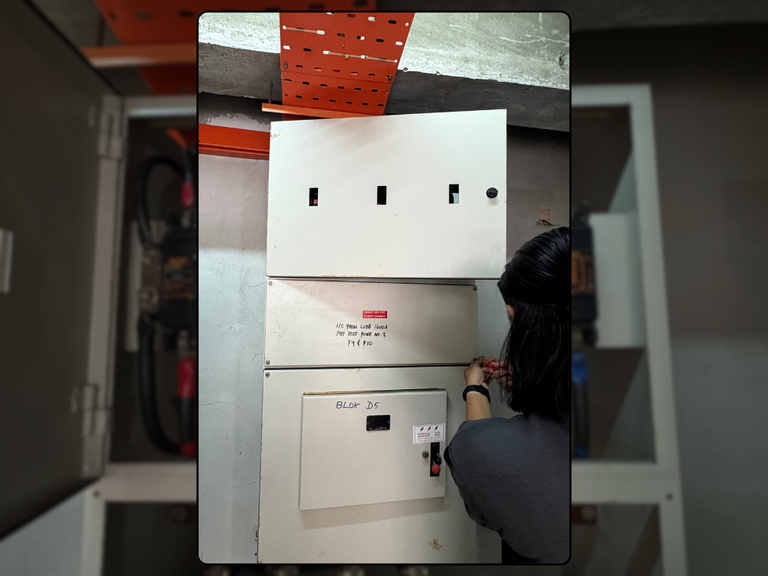
- 22 kW Chargers: Require three-phase 400 V supply and draw about 32 A per phase. Installing a three-phase charger means upgrading the supply if your home currently has single-phase. Such upgrades involve additional cost and coordination with TNB.
3. Vehicle Compatibility and Charging Speed
Your EV’s on-board charger determines how quickly it can accept AC power. Many EVs in Malaysia support 6–7 kW single-phase charging, while some support 11 kW three-phase, and only a few support 22 kW. If your EV has a 7 kW on-board charger, a 22 kW wallbox will not charge any faster than 7 kW. Even with an 11 kW on-board charger, an EV will only draw 11 kW from a 22-kW charger. A 7-kW charger typically charges a 40-kWh battery overnight, which is sufficient for daily commuting.
4. Cost and Installation Complexity
- Charger Price: Industry comparisons show that the price difference between a 7 kW and a 22-kW charger is modest, often within a few hundred ringgits.
- Installation Cost: A 22-kW charger installation is more expensive because it requires heavier 3-phase cabling and possibly a TNB supply upgrade.
- Total Project Cost: If the supply upgrade is needed, the total cost can rise significantly. If your EV doesn’t support 22 kW charging, the extra cost brings little benefit.
5. When 22 kW Makes Sense
Consider a 22-kW charger if:
- You own an EV with a 22 kW on-board charger (still relatively rare).
- You have multiple EVs and need rapid turnaround times.
- You already have three-phase supply at home or are willing to upgrade.
- You plan to future-proof your home for higher-power EVs.
6. Why 7 kW Is Usually Enough
For most Malaysian households, a 7-kW charger provides all the charging you need. It fits within single-phase supply limits, charges the vehicle overnight and avoids the cost and complexity of a three-phase upgrade. It also integrates easily with load-balancing systems, allowing you to charge without overloading your supply.
7. IGP’s Options
Innovative Green Power offers both 7 kW and 22 kW chargers through our Smart Mini Home Charger product line. Our site inspection assesses your supply capacity, household load and EV’s on-board charger to recommend the right power level. We also offer load-balancing and solar-integration features in our 7-kW model, ensuring efficient charging without costly upgrades. If you need 22 kW, we manage the TNB upgrade process and provide a transparent quote.
8. Conclusion
Choosing between 7 kW and 22 kW depends on your home’s supply, your EV’s on-board charger and your charging habits. Most homeowners will benefit from a 7-kW charger, which provides overnight charging and avoids the expense of a three-phase upgrade. If you have a 22 kW-capable EV or multiple EVs and need faster charging, a 22-kW charger may be suitable, but be prepared for higher installation costs and supply upgrades. Let IGP guide you through the decision with a professional site inspection and expert advice.