One of the most common misunderstandings among new EV owners is this: if the home charger is rated 7 kW, then the car should charge at 7 kW every night.
That is not how home charging should be approached.
A 7 kW charger is a capability, not an obligation.
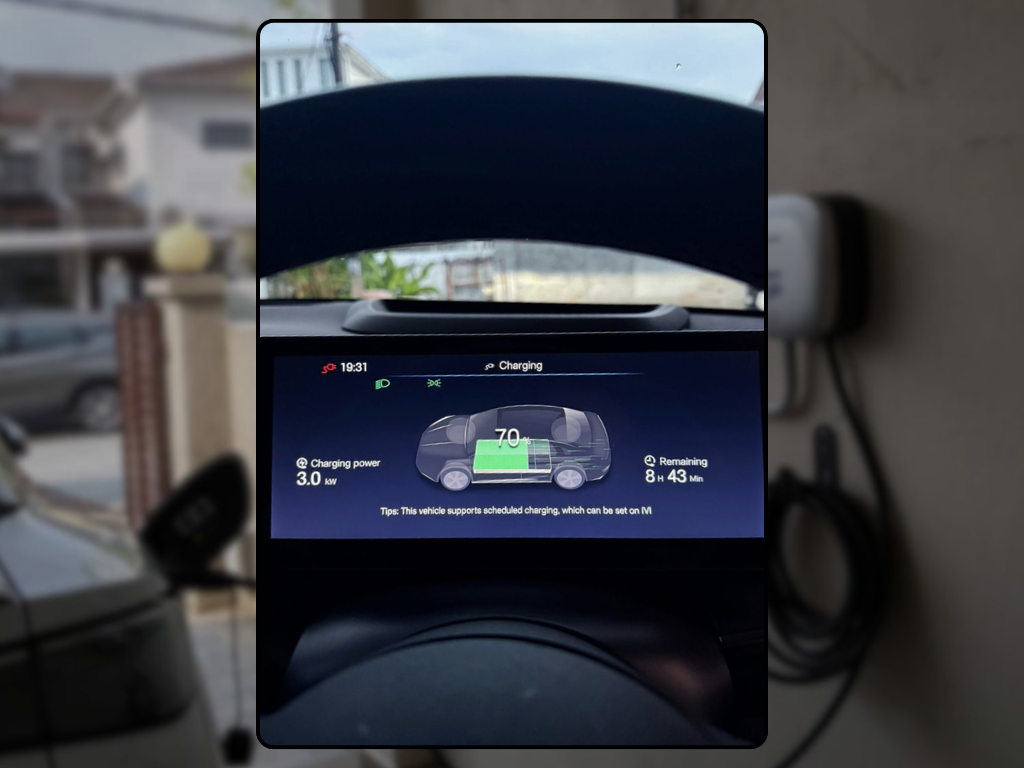
It simply means the charger can supply up to around 7 kW under the right conditions, subject to the home electrical system, charger configuration, vehicle onboard charger, and installation design. It does not mean every charging session must run at full power.
For home charging, the more important question is not: how fast can I charge?
The better question is: how much energy do I need to recover, and how many hours do I have to do it safely?
Why This Matters in Malaysian Homes
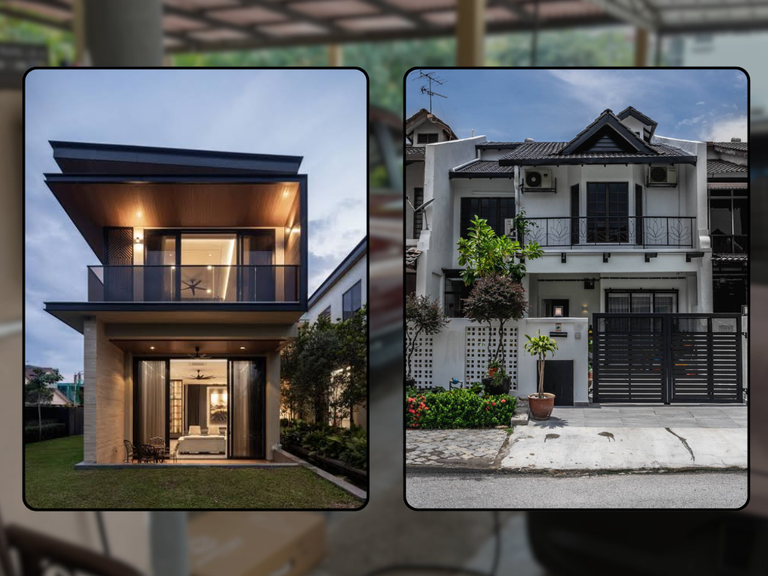
Many Malaysian homes, especially landed homes, operate on single-phase supply. Some homes have comfortable spare capacity. Some homes are already close to their normal usage limit during evening or night-time operation.
At night, the home may already be running air conditioners, water heaters, kitchen appliances, dryers, refrigerators, pumps, or other loads. When the EV charger is added, the total home load changes.
If the charger is configured to draw maximum current all the time without considering the rest of the home, the system may be pushed harder than necessary.
This does not mean 7 kW charging is wrong. If the home is properly assessed, the circuit is correctly designed, the cable and protection are suitable, and the available capacity is sufficient, 7 kW charging can be perfectly practical.
But it should be a decision, not an assumption.
Home Charging Is Not Highway Fast Charging
Public DC fast charging is designed for situations where time is limited. You stop, charge quickly, and continue your journey.
Home charging is different.
At home, the car usually sits for many hours. Most owners park the vehicle overnight. That means the charger does not need to recover the full battery in the shortest possible time every night. It only needs to recover what you used, with enough buffer for the next day.
This is why home charging should be planned around daily usage, not maximum charger rating.
A Simple Daily Driving Example
Let us use a simple example.
If you drive 100 km a day, and your EV consumes about 12 kWh per 100 km, you have used around 12 kWh of energy.
If your car is parked at home for 10 hours overnight, the average power needed to recover that energy is roughly:
12 kWh divided by 10 hours = 1.2 kW.
This is a simplified calculation, and real charging will have some losses and practical differences. But the point is clear: many daily driving patterns do not require the charger to run at full 7 kW output throughout the night.
Even if the required energy is higher, many EV owners still have enough parking time to charge at a lower, more controlled rate.
Why Lower-Power Charging Can Be Better
Lower-power charging can be useful for several reasons.
First, it reduces stress on the home electrical system. If the home has limited spare capacity, charging at a lower current may be more suitable than forcing the charger to draw maximum power.
Second, it allows the EV charger to coexist better with normal household usage. This matters when other high-load appliances are operating at the same time.
Third, it can reduce unnecessary tripping or overloading concerns when the system is configured properly.
Fourth, for many owners, the result is the same: the car is ready by morning.
The goal is not to win a charging-speed contest at home. The goal is to wake up with enough range, safely and reliably.
When 7 kW Charging Is Useful
There are still times when 7 kW charging is useful.
For example, you may come home with a lower battery level. You may have a longer trip the next day. You may have multiple EVs in the household. You may have a larger battery vehicle. You may need faster turnaround between trips.
In those situations, higher charging power gives flexibility.
This is why a 7-kW charger is still a practical choice for many single-phase homes. The key is to configure and use it intelligently, rather than assuming full power must be used every night.
This Is Where Smart Charging Helps
A charger with adjustable current settings gives the owner more control.
The charger with scheduling allows charging to happen at a more suitable time.
A charger with Dynamic Load Balancing can go one step further by adjusting charging output based on the home’s available capacity.
This is the reason we often talk about Smart Mini chargers in the context of Malaysian homes. The useful part is not only that the charger has app features. The more important value is that it can be part of a managed home charging system when properly installed and configured.
For homes with changing household loads, Dynamic Load Balancing can help the charger reduce output when the home load increases, then increase again when capacity becomes available.
This helps make charging more practical, especially where the home does not have unlimited spare capacity.
A Smart Charger Still Needs Proper Installation
This point is important.
A smart charger does not make a poor installation safe.
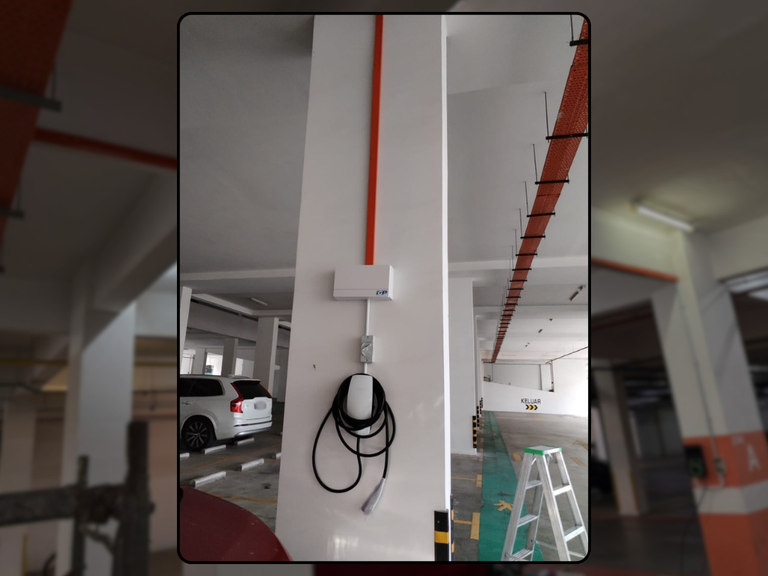
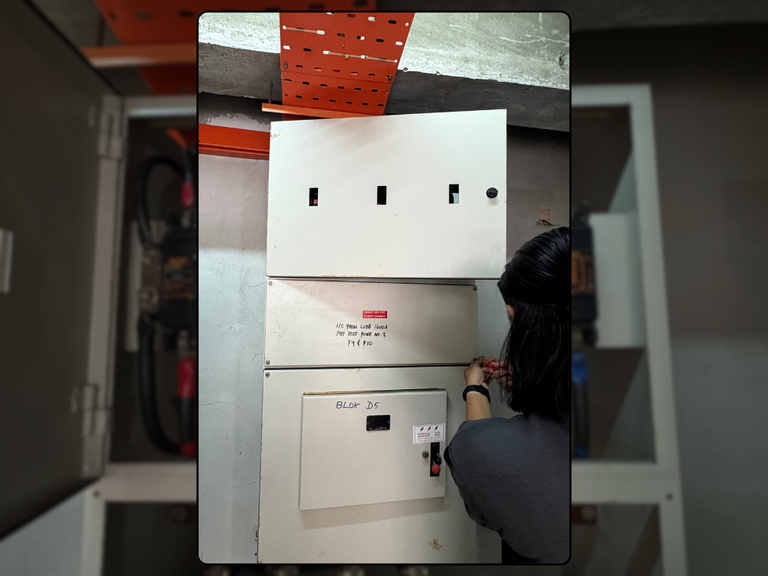
You still need a dedicated circuit. You still need correct cable sizing. You still need suitable MCB and RCCB protection. You still need proper earthing, isolator, routing, workmanship, testing, and commissioning.
Charging at lower power also does not excuse poor installation. The electrical system must still be designed properly for the intended use.
Smart charging is not a shortcut. It is a management tool that works best when the foundation is correct.
How IGP Approaches Charger Configuration
At IGP, we prefer to understand the home before deciding how the charger should be installed and configured.
The charger rating is only one part of the discussion. We also look at the home supply, existing load, cable route, DB condition, usage pattern, EV model, and whether features like Dynamic Load Balancing are needed.
In some homes, full 7 kW charging may be suitable.
In other homes, a lower current setting may be more practical for daily use.
For some customers, the best approach is to install a capable charger but configure it conservatively for normal usage, while keeping the ability to increase charging power when conditions allow.
This gives the owner flexibility without unnecessarily pushing the home every night.
Charge When You Can, Not When You Must
One of the best EV ownership habits is simple: charge when you can, not when you must.
Home charging works best when it becomes part of your routine. You do not need to wait until the battery is very low. You do not need to charge at the highest possible speed. You do not need to treat every night like a fast-charging session.
A calmer charging routine is usually better.
Top up regularly. Use sensible charging settings. Let the car recover energy while it is parked. Keep enough buffer for the next day.
That is how EV ownership becomes convenient.
Final Thought
Your EV charger being rated 7 kW does not mean you must charge at 7 kW all the time.
7 kW is a tool. It gives you capability and flexibility. But good home charging is not about always using maximum power.
It is about matching your charging strategy to your actual driving needs, parking hours, battery size, and home electrical capacity.
For many EV owners, smart, controlled, lower-power charging is already enough for daily life.
The best charging system is not always the fastest system. It is the one that fits your home, protects your electrical installation, and gives you reliable charging every day.
IGP enforces high standards as a deliberate benchmark to maximise safety in residential EV charging.
Because a home is not just an electrical installation. It is where lives and livelihoods are protected.
EV charging should be an upgrade to modern living, not a compromise in safety.
IGP’s Safety Principles
IGP enforces high standards as a deliberate benchmark to maximise safety in residential EV charging. Because a home is not just an electrical installation—it is where lives and livelihoods are protected. EV charging should be an upgrade to modern living, not a compromise in safety.
Let our obsession with quality protect your safety.
Because when it comes to EV charging and electrical systems, there’s no room for compromise.
Need your EV charger or electrical setup professionally inspected?
WhatsApp Us: https://wa.me/60125954786
Stay connected with us:
Instagram: https://www.instagram.com/InnovativeGreenPowerMY
Facebook: https://www.facebook.com/innovativegreenpower
YouTube: https://www.youtube.com/@IGPEVCharging-ir8rv
Website: https://www.innovativegreenpower.com