1. Introduction
Terrace houses in Malaysia often have compact layouts and limited electrical capacity. Installing an EV charger requires careful planning to avoid safety hazards and hidden costs. Here are the most common challenges and how to solve them.
2. Limited Distribution Board Space
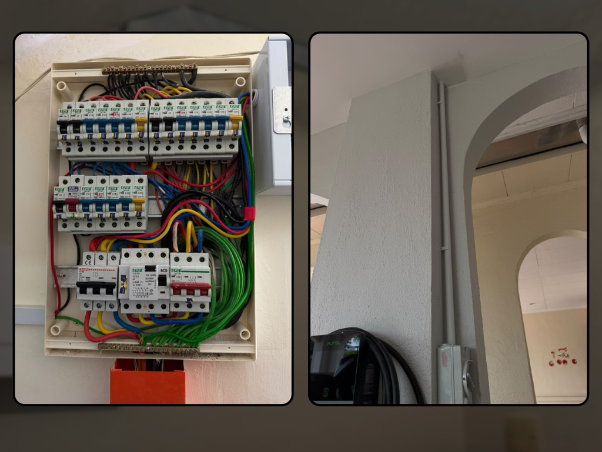
Older terrace homes may have a small DB with few spare breaker slots. Your installer will evaluate whether your DB can accommodate a new circuit or if a new sub-board is needed. TNB’s guidelines urge homeowners to check electrical capacity first. Upgrading the DB may be necessary to add an MCB, RCCB/RCBO, and isolator.
3. Long or Awkward Cable Runs
Parking spaces in terrace homes are often at the front, while the DB is at the back. This can require long cable runs around or through walls. For distances up to 10 m, use 6 mm² cable; longer runs may require 10 mm² to minimise voltage drop. Planning a neat route—either surface conduit or concealed—and budgeting for additional cable and labour is crucial.
4. Single-Phase Supply and Load Management
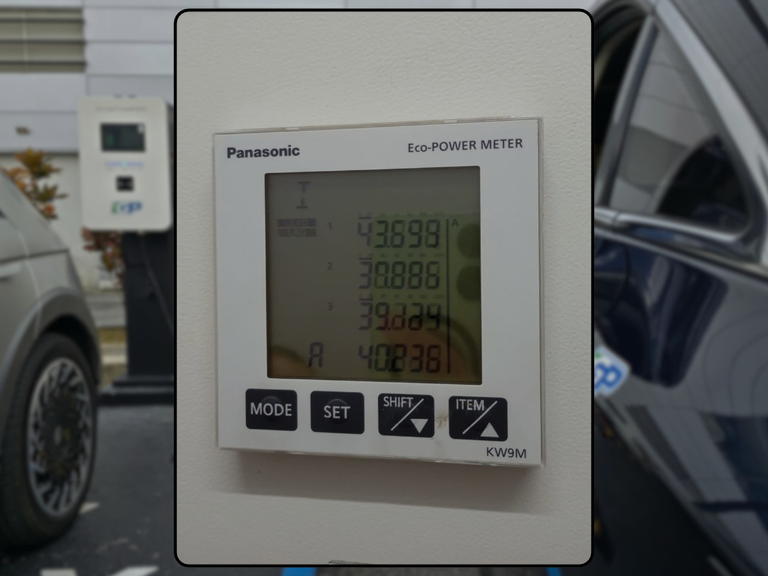
Most terrace houses use single-phase supply (up to 10 kW). Installing a 7 kW charger consumes a significant portion of this capacity. Dynamic load balancing is essential to prevent overloading the supply when other appliances are in use. IGP’s chargers automatically reduce charging current when household demand spikes, helping you avoid a costly three-phase upgrade.
5. Shared Circuits and DIY Shortcuts
Avoid wiring the charger into an existing socket or tapping power directly from the meter. TNB and ST warn against using normal wall sockets or extension cords for EV charging. The charger must be on its own circuit with a 30 mA RCD. Cheap shortcuts can cause overloads and invalidate insurance.
6. Compliance and Documentation
After installation, obtain a test report and commissioning document from the contractor. TNB’s EV home charger guidance lists “Get a test report after installation” as a key step. These documents protect your warranty and prove compliance.
7. Solutions from IGP
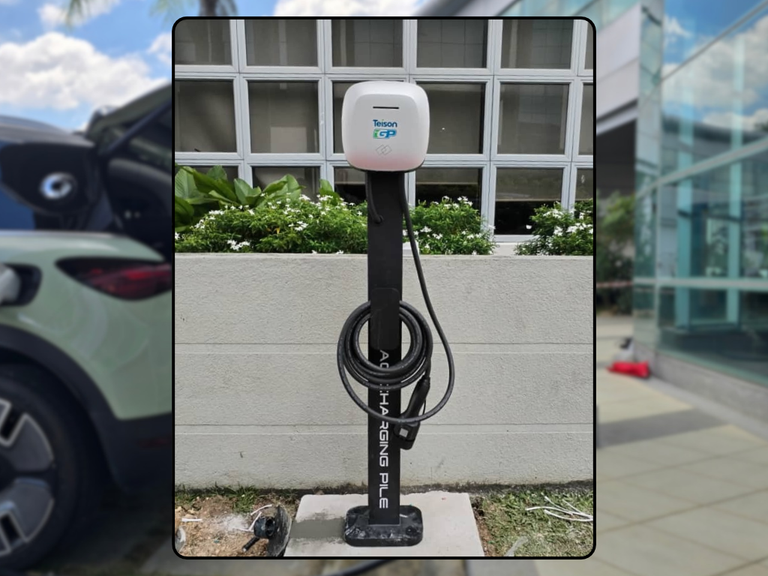
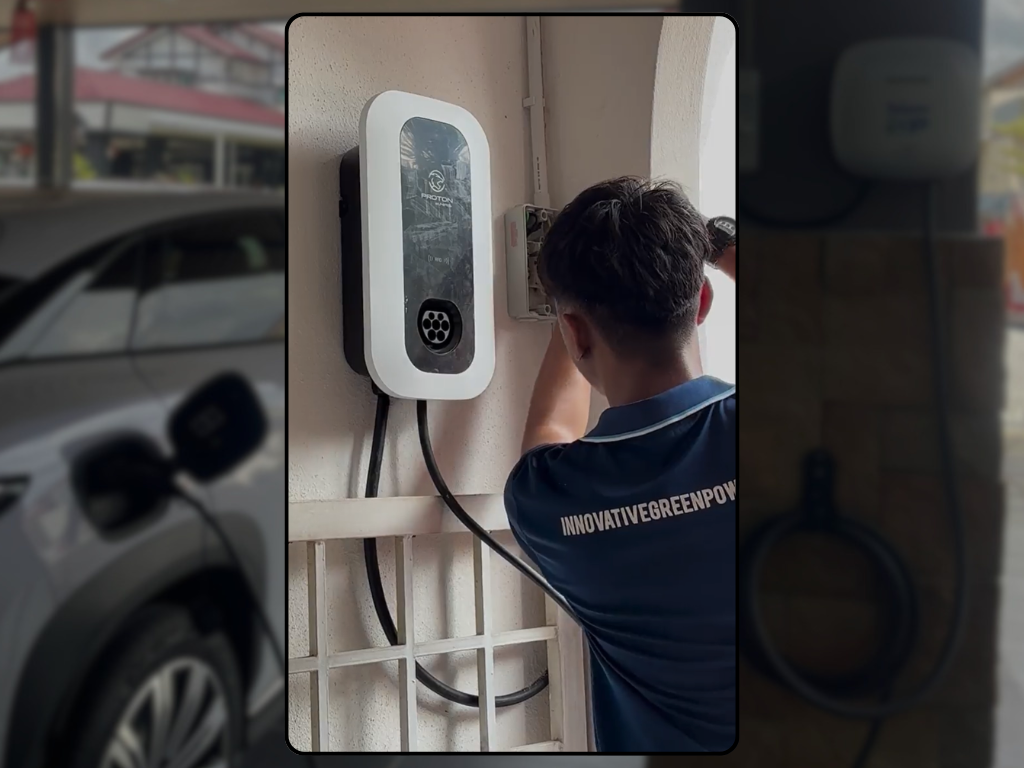
IGP handles terrace-house challenges by performing a thorough site inspection, planning cable routes, recommending load balancing, and using full copper cables. Our installation packages cover up to 10 m of cabling and include all necessary protection devices. We document the installation and provide a test report for your records.
Conclusion
Terrace houses can accommodate EV chargers if you address space, cabling, and electrical capacity issues. Work with an ST-registered contractor, plan the cable route, use dynamic load balancing, and demand proper documentation. IGP’s experience with terrace homes ensures a safe and neat installation that meets your needs.