1. Introduction
Property managers of office buildings, shopping malls and strata developments are facing increasing demand for EV charging. To ensure safe, compliant installations, managers must consider electrical capacity, fire safety guidelines and regulatory obligations. Here’s what to know before proceeding.
2. Understand Regulatory Obligations
Managers must be aware of both electrical and planning regulations. ST and Bomba guidelines specify that commercial charging facilities require an application process and approval. The GPP EVCB sets rules for bay allocation, separation distances and bay dimensions. Failure to comply may result in fines or insurance issues.
3. Assess Electrical Load and Supply
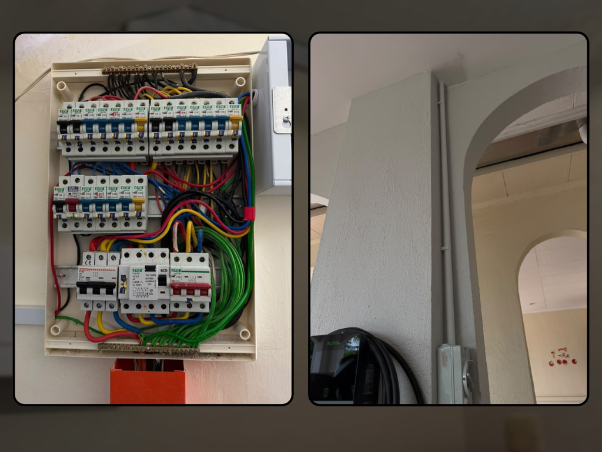
Engage an ST-registered electrical contractor to evaluate the building’s electrical system. The contractor will:
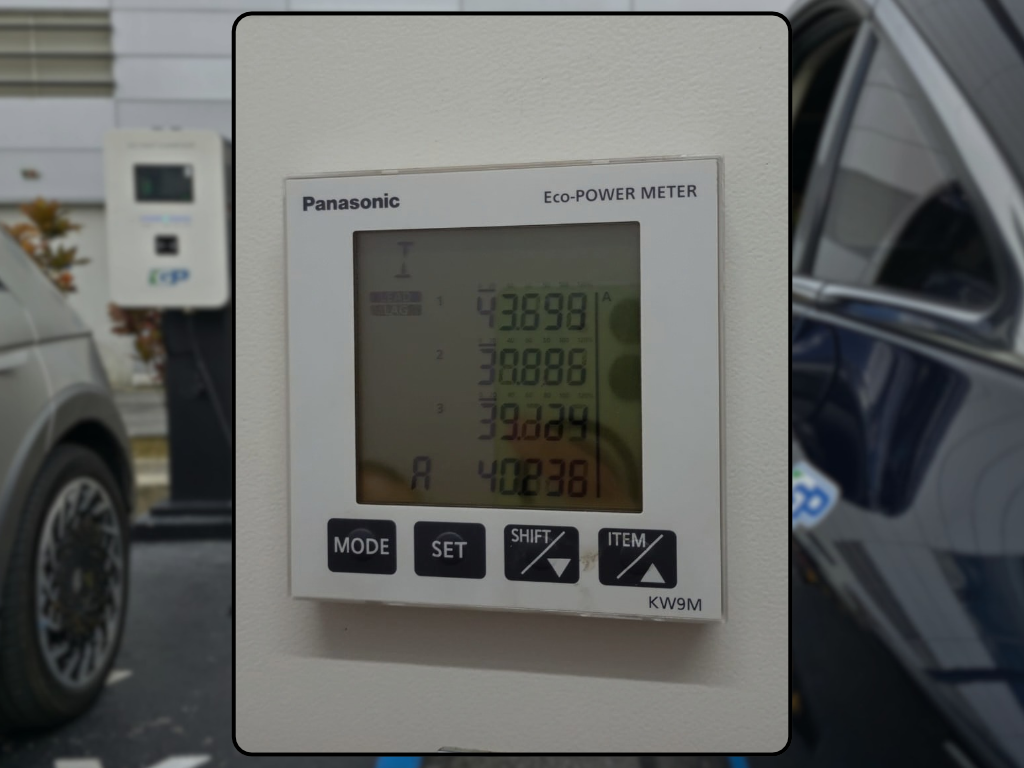
- Calculate existing load and future demand.
- Determine whether the building needs a dedicated transformer or an upgrade to handle EV chargers.
- Ensure each charger is connected via a dedicated circuit with appropriate protection devices.
Without load assessment, you risk overloading the system, causing disruptions or fire hazards.
4. Define Charging Strategy
Decide whether chargers will be private (assigned to specific tenants) or public/commercial (open to multiple users). Private chargers don’t require an EVCS licence, while commercial chargers do. The strategy affects licensing, metering, cost recovery and future scalability.
5. Plan for EV Bay Allocation
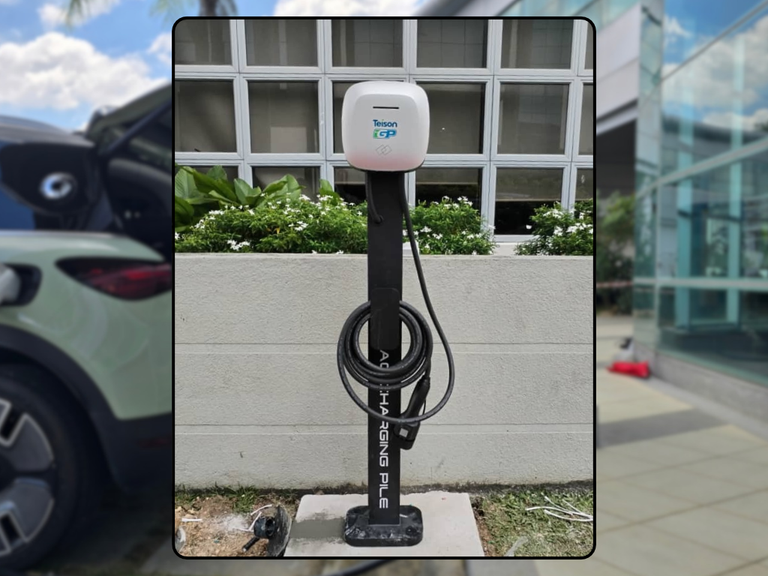
Reserve the appropriate number of EV bays. The GPP EVCB stipulates at least 2 % of parking spaces must be EV bays in new commercial developments. Consider the location (near power sources), size requirements (2.5 m × 6 m or 3.5 m × 6 m) and separation distances (2.5 m for AC chargers, 5 m or fire-rated walls for DC chargers).
6. Conduct an Open Tender
For shared facilities, it’s prudent to hold an open tender to select an installer. The tender should require ST registration, compliance with GPP EVCB guidelines and clear responsibilities for supply upgrades, maintenance and warranty.
7. Establish a Cost Recovery Model
Managers should develop a fair pricing structure. For private chargers, recover actual electricity costs and administrative fees without profit. For public/commercial chargers, set transparent tariffs and ensure licensing compliance. Avoid overcharging residents or tenants—excessive mark-ups can be challenged.
8. Conclusion
Property managers must navigate technical, regulatory and financial considerations when installing EV chargers. By understanding regulatory obligations, assessing electrical load, planning bay allocation, and selecting qualified contractors via an open tender, managers can provide safe, compliant charging facilities that support growing EV adoption. IGP offers comprehensive services—from feasibility studies to installation and maintenance—tailored to commercial and strata properties.