1. Introduction
Many EV owners wonder whether they need to upgrade their home to a three-phase electrical supply before installing a charger. Upgrading can provide more power but comes with higher cost and complexity. This article explains when a three-phase upgrade is truly necessary and offers practical guidance for Malaysian homeowners.
2. Household Load Limits and TNB Guidelines
Tenaga Nasional Berhad (TNB) advises changing from single-phase to three-phase supply when your household electricity load exceeds 10 kW. Three-phase supplies manage higher loads more efficiently and improve stability when multiple high-power appliances—such as air conditioners and freezers—run together. For homes with EV chargers, TNB recommends considering a three-phase upgrade if you plan to install a higher-capacity home EV charger (7 kW and above) or require faster charging.
3. Single-Phase vs Three-Phase Charging
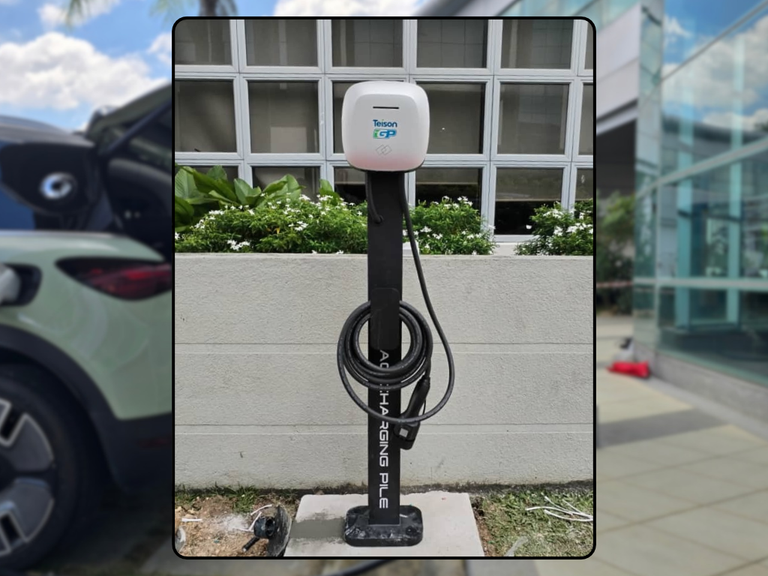
- Single-Phase (230 V): Standard in most Malaysian homes, supporting chargers up to 7 kW. A 7-kW charger typically draws 32 A and can fully recharge most EVs overnight.
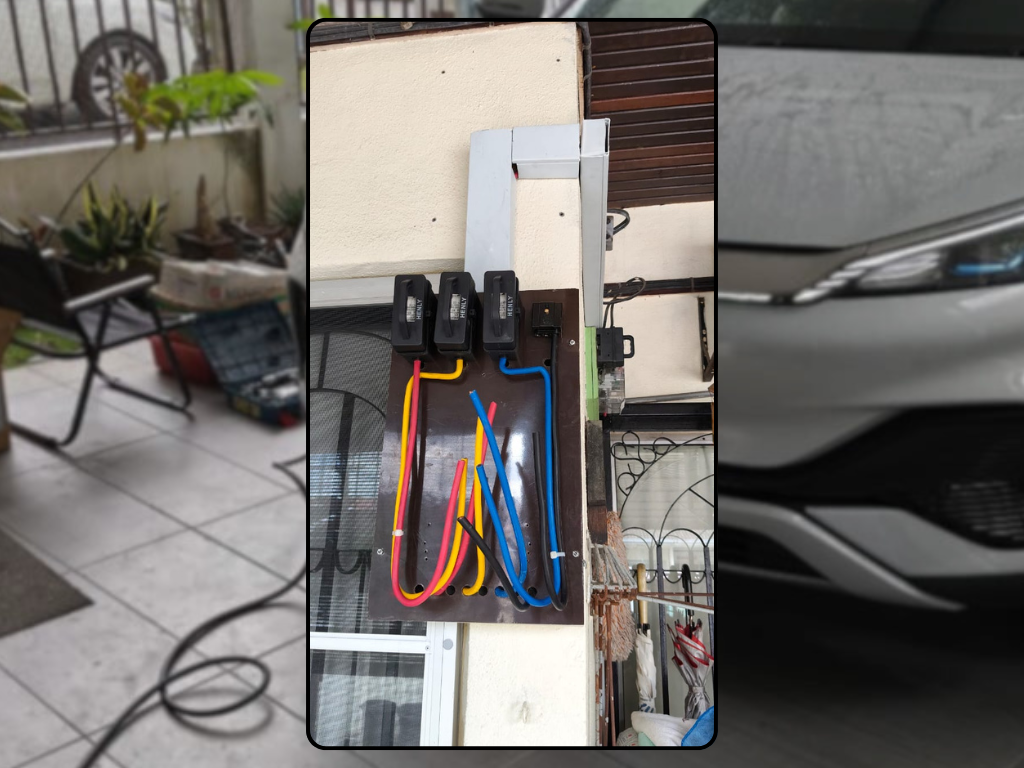
- Three-Phase (400 V): Required for chargers rated at 11 kW or 22 kW. Three-phase supply delivers power across three conductors and can charge compatible EVs faster.
However, installing a higher-rated charger does not automatically speed up charging. A dedicated IGP article explains that an 11-kW charger is not simply a “faster 7 kW charger”—it requires three-phase supply and a compatible on-board charger in the car. Many EVs in Malaysia support single-phase charging around 6–7 kW; fewer support 11 kW and only a handful support the full 22 kW.
4. When a Three-Phase Upgrade Makes Sense
Upgrading to three-phase makes sense if:
- Your total household load plus the EV charger exceeds 10 kW.
- You own multiple EVs or need rapid charging turnaround.
- Your home already has three-phase supply or can be easily upgraded.
It may not make sense if:
- You have only one EV and can charge overnight.
- Your daily driving requires less than 40 kWh, which single-phase charging can handle easily.
- You prefer a lower-cost setup and can manage your loads.
The upgrade involves applying through TNB, hiring a registered electrical contractor, and paying connection charges. TNB’s examples show connection charges of RM 300 for an overhead upgrade and RM 1 250 for an underground upgrade, not including additional security deposits and any required civil works.
5. Alternatives to Upgrading
A smart alternative is load management. IGP’s smart chargers offer home load-balancing—they automatically adjust charging current based on available power and prevent overloading. By installing a 7-kW charger with load balancing, many homeowners avoid the need for a costly three-phase upgrade while still charging safely and efficiently. Our site inspections assess your supply capacity, overall load and future needs before recommending upgrades.
6. Conclusion
A three-phase upgrade is not mandatory for every EV owner. TNB recommends it only when your total load exceeds 10 kW or when you want to install chargers rated above 7 kW. Most Malaysian homes can charge EVs overnight with a 7-kW single-phase charger, especially when combined with load management. Evaluate your home’s electrical demand, your EV’s on-board charger and your charging habits. With IGP’s expert assessment and smart charger solutions, you can make the right decision without unnecessary upgrades.