1. Introduction
Before installing a 7-kW wallbox, you need to know whether your home’s electrical system can handle the extra load. This depends on supply type, distribution board capacity and overall household demand. Here’s how to check.
2. Identify Your Supply: Single-Phase vs Three-Phase
- Single-Phase (240 V): Standard in most Malaysian homes, supporting total loads up to 10 kW. A 7-kW charger usually fits within this limit unless your household appliances already draw near the maximum load.
- Three-Phase (415 V): Needed for 11 kW or 22 kW chargers or if your combined household load exceeds 10 kW. Upgrading from single-phase typically costs RM 1 500–RM 4 000.
3. The Importance of Site Inspection and Load Assessment
Engage an ST-registered contractor to:
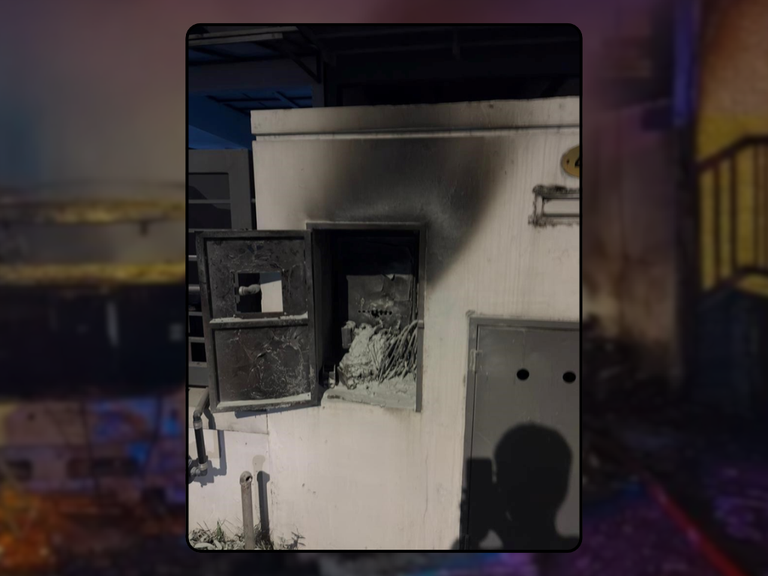
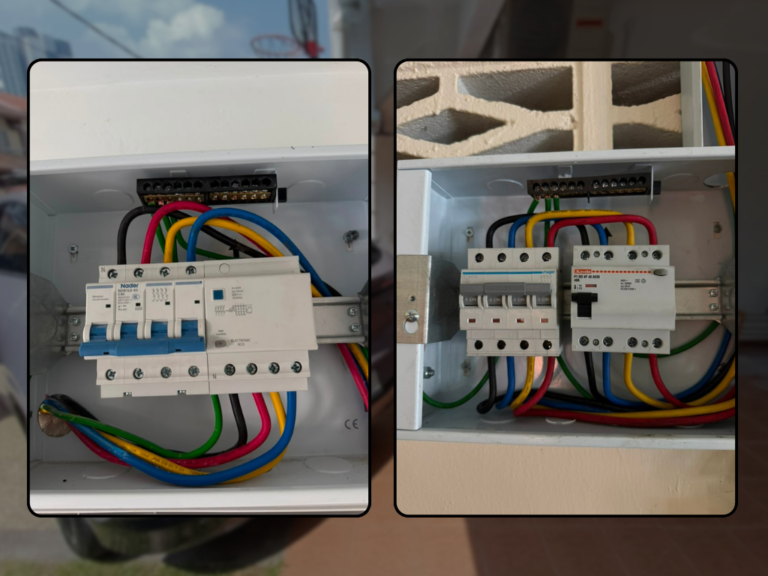
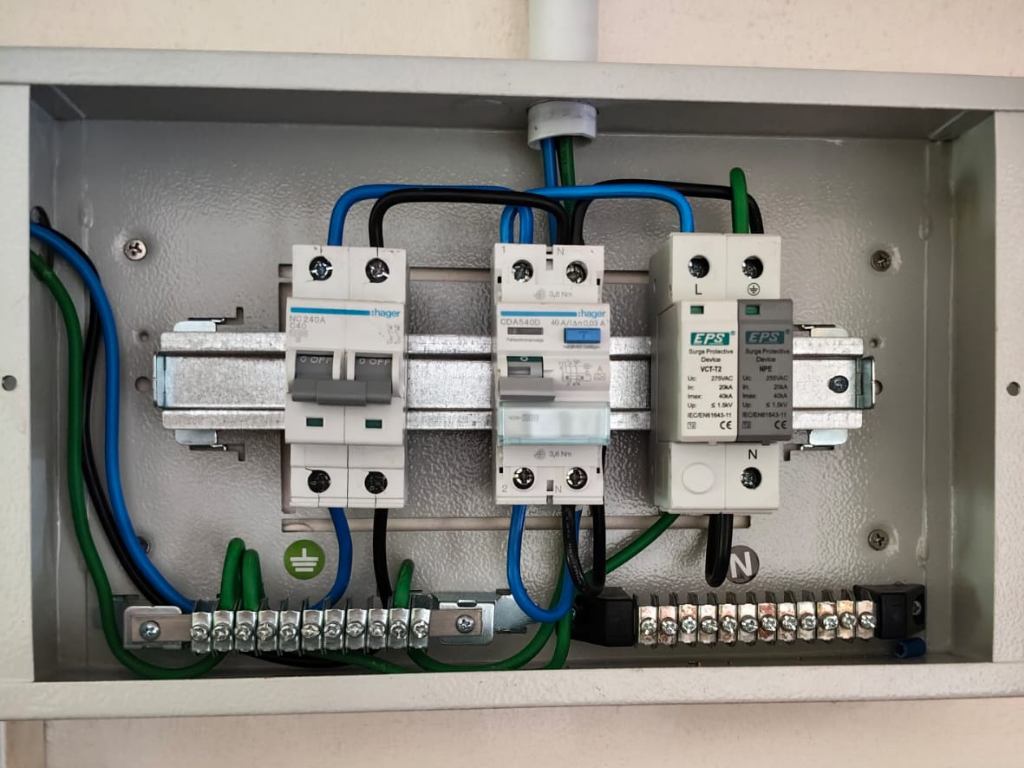
- Inspect your distribution board (DB) for spare capacity and proper earthing.
- Calculate existing loads (air conditioners, water heaters, ovens) and assess if the 7-kW charger will overload the system.
- Plan the location and route for the dedicated circuit, including cable length and whether surface or concealed wiring is needed.
4. Dedicated Circuit Requirements
A 7-kW charger needs a dedicated final circuit with:
- Correct cable size: Minimum 6 mm²; 10 mm² if exposed to sunlight or long runs.
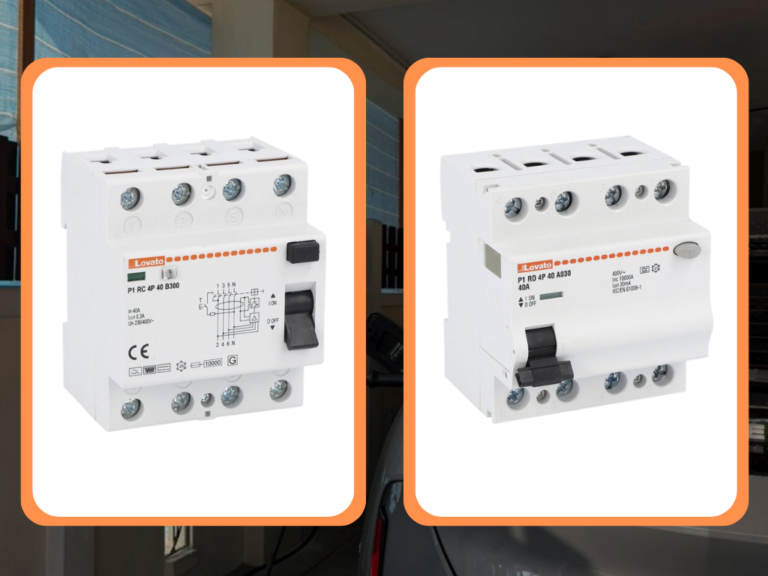
- Residual current protection: A 30 mA RCCB or RCBO.
- Overcurrent protection: Properly rated MCB.
- No cable joints in the circuit and proper earthing.
Do not plug a 7-kW charger into a standard 13-A outlet or use extension cords—this may cause overheating and tripping.
5. When to Consider Three-Phase
Upgrade to three-phase if:
- Your total household load plus charger exceeds 10 kW.
- You want an 11 kW or 22 kW charger.
- You own multiple EVs or use high-powered appliances simultaneously.
6. IGP’s Approach
Our standard installation packages (RM 1 599–2 199) cover typical single-phase and three-phase setups with up to 10 m of cabling. If your DB or supply requires upgrades, or if you need longer cable runs or concealed wiring, we provide a detailed quote. Our Smart Mini Home Charger includes a load-balancing feature to adjust charging current in real time and prevent tripping. We also help with TNB applications if a supply upgrade is needed.
7. Conclusion
Most homes can support a 7-kW charger as long as the total load is within 10 kW and wiring and protection devices meet ST guidelines. A site inspection by a registered contractor is the only reliable way to determine your home’s capacity. With IGP’s expertise and transparent packages, you can install the right charger with confidence.