1. Introduction
Choosing between AC and DC chargers is a key decision for property owners and developers. AC chargers (up to 22 kW) and DC fast chargers (>22 kW) serve different needs, have distinct installation requirements and involve different costs. Here’s what you need to know.
2. Power and Charging Speed
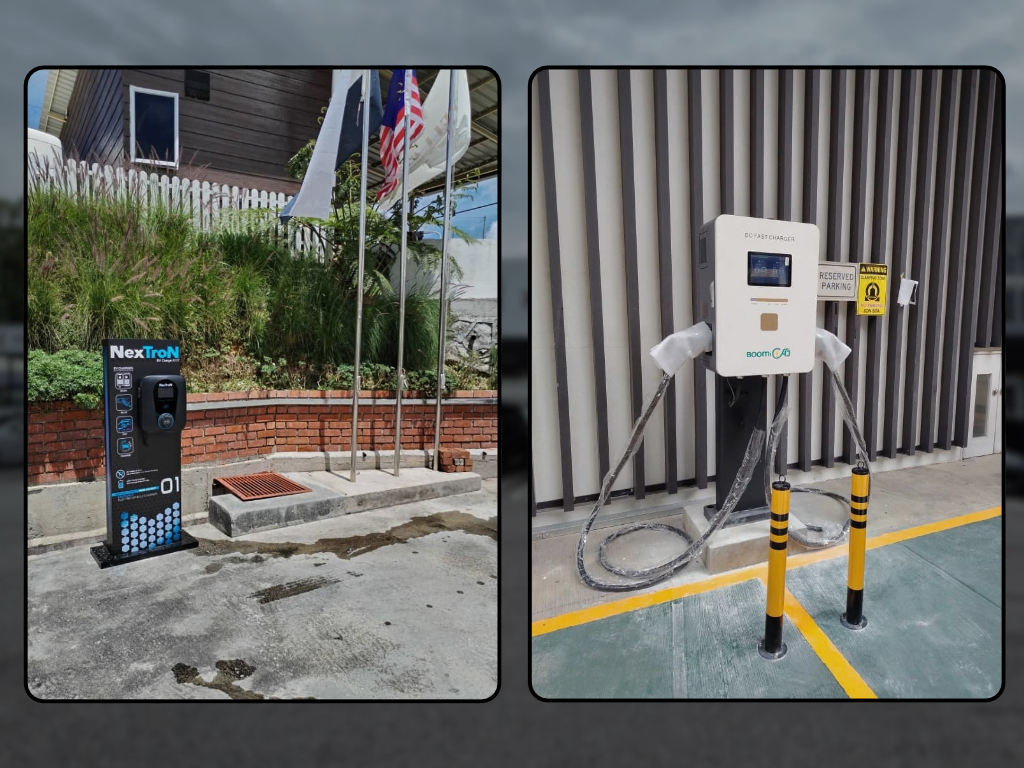
- AC Chargers: AC chargers convert AC from the grid to DC within the vehicle. They typically provide 3.3 kW to 22 kW. AC chargers can be installed at home, in offices and in residential developments. Charging times range from several hours (for 7 kW) to about one hour for 22 kW, depending on battery size.
- DC Chargers: DC chargers convert AC to DC within the charger itself and deliver high power—often 50 kW, 100 kW or more. They can charge an EV to 80 % in 20–40 minutes but require robust electrical infrastructure and active cooling.
3. Installation and Placement Guidelines
The GPP EVCB restricts DC chargers to the ground floor, first two floors above ground and the first basement level in multi-storey buildings. AC chargers can be placed at any indoor level, making them better suited to residential and office environments. DC chargers must also meet stricter fire separation requirements—fire-rated walls or larger separation distances.
4. Infrastructure and Cost
DC chargers require higher capacity power supplies, often involving dedicated transformers or heavy-duty lines. They also necessitate more expensive equipment and installation, including ventilation and fire suppression systems. AC chargers have lower upfront costs, simpler installation and lower ongoing maintenance. For this reason, AC chargers are the preferred choice for condos and offices, while DC chargers are more appropriate for public charging stations and highway service areas.
5. Safety and Risk
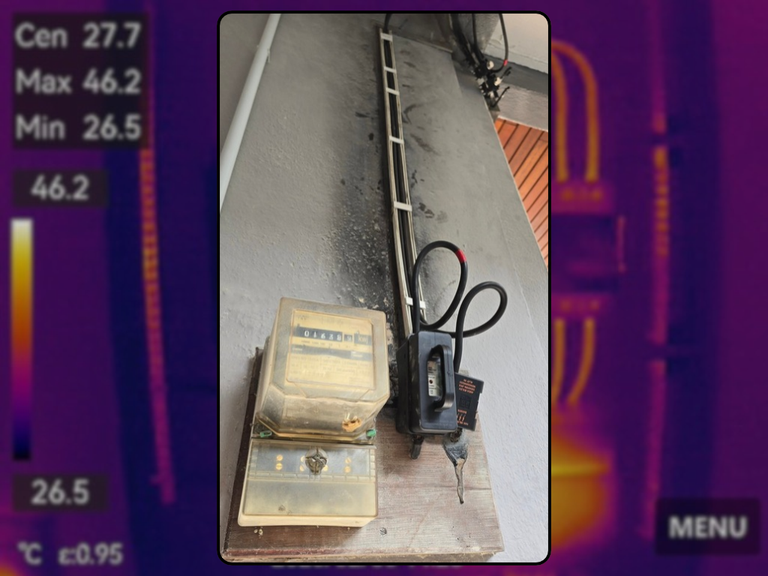
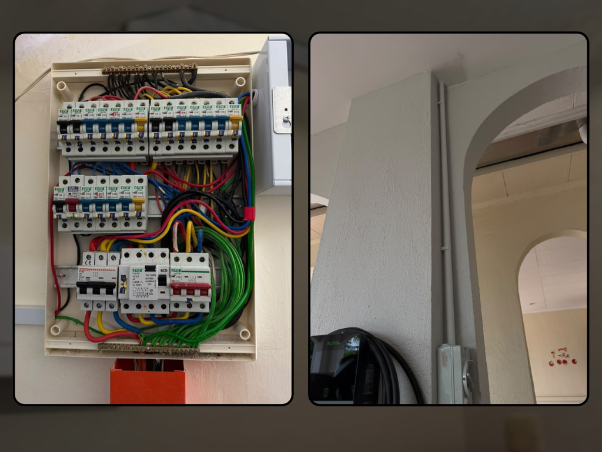
The main safety risks come not from the charger type but from improper installation and poor cabling. Both AC and DC chargers must be installed by certified professionals, with dedicated circuits, proper cabling and residual current protection. The real difference lies in fire safety planning: DC chargers generate more heat and require greater separation or fire-rated barriers.
6. Suitability for Different Uses
- Residential and Small Commercial: AC chargers (7 kW or 22 kW) are typically sufficient, cost-effective and easier to install.
- Office Buildings and Shopping Centres: AC chargers meet most user needs, especially with dynamic load balancing. A few DC chargers can serve short-term visitors if the power supply allows.
- Public Fast-Charging Stations: DC chargers are ideal for highway rest stops or service stations where drivers need quick top-ups. These installations require careful planning, licensing and higher investment.
7. IGP’s Solutions
IGP provides both AC and DC solutions tailored to property owners. Our Smart Mini Home Charger suits residential and office environments (7 kW and 22 kW), while our commercial DC chargers meet public charging needs. We handle load assessments, supply upgrades, fire safety compliance and licensing to ensure installations meet all regulatory requirements.
8. Conclusion
AC chargers are suitable for most residential and commercial installations due to lower cost, easier placement and adequate charging speeds. DC chargers offer rapid charging but are best reserved for public stations with the necessary infrastructure and safety measures. Property owners should work with qualified installers to assess supply capacity, follow placement guidelines and ensure safe, compliant installations.