When installing an EV charger at home, one of the first comparisons most homeowners make is:
“Why is this installer cheaper than the others?”
At first glance, saving a few hundred ringgits may seem reasonable.
But in EV charging, the difference between a cheap installation and a proper one is not cosmetic.
It is electrical engineering — and safety.
1. EV Charging Is Not Like Normal Appliances
Most household appliances:
- Run for short durations
- Draw varying loads
EV charging is different:
- High current (16A–32A or more)
- Continuous load for hours
- Daily repetition
What this means:
Any weakness in:
- Cable sizing
- Connections
- Protection design
Will accumulate heat over time.
And heat is the beginning of most electrical failures.
2. Where Cheap Installations Cut Corners
Cheap installations don’t reduce cost magically.
They reduce cost by removing engineering considerations.
Corner Cutting #1: Undersized Cables
Proper EV installations require:
- Correct cable sizing based on load and distance
- Compliance with electrical standards
What happens with undersized cables:
- Increased resistance
- Heat buildup during charging
- Insulation breakdown over time
Real risk:
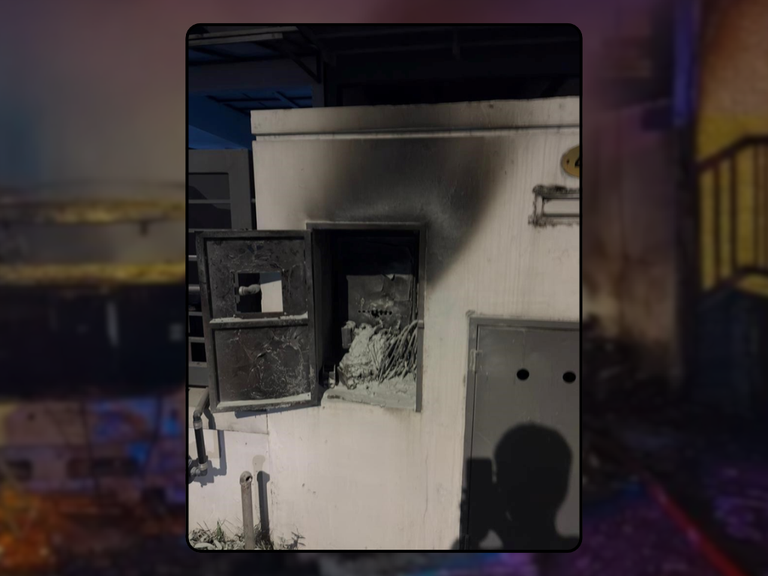
- Hidden cable overheating inside walls or trunking
Corner Cutting #2: No Dedicated Circuit
Guidelines require:
EV chargers must be installed on a dedicated final circuit
Cheap practice:
- Sharing circuits with sockets or appliances
Result:
- Overloading
- Nuisance tripping
- Unstable charging
- Long-term wiring damage
Corner Cutting #3: Incorrect or Missing Protection Devices
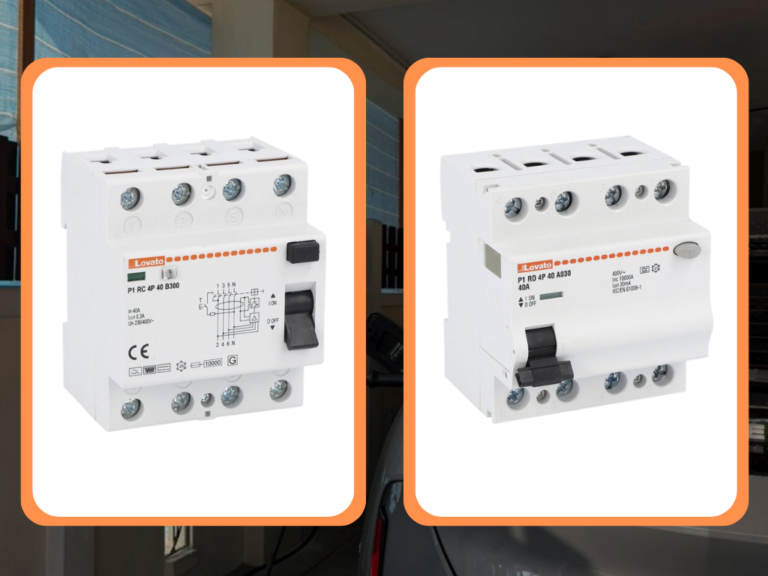
Proper protection includes:
- MCB (overcurrent protection)
- RCCB (earth leakage protection ≤30mA)
Cheap installation may:
- Omit RCCB
- Use incorrect rating
- Use low-quality components
Result:
- Faults not detected
- Shock risk increases
- Fire protection compromised
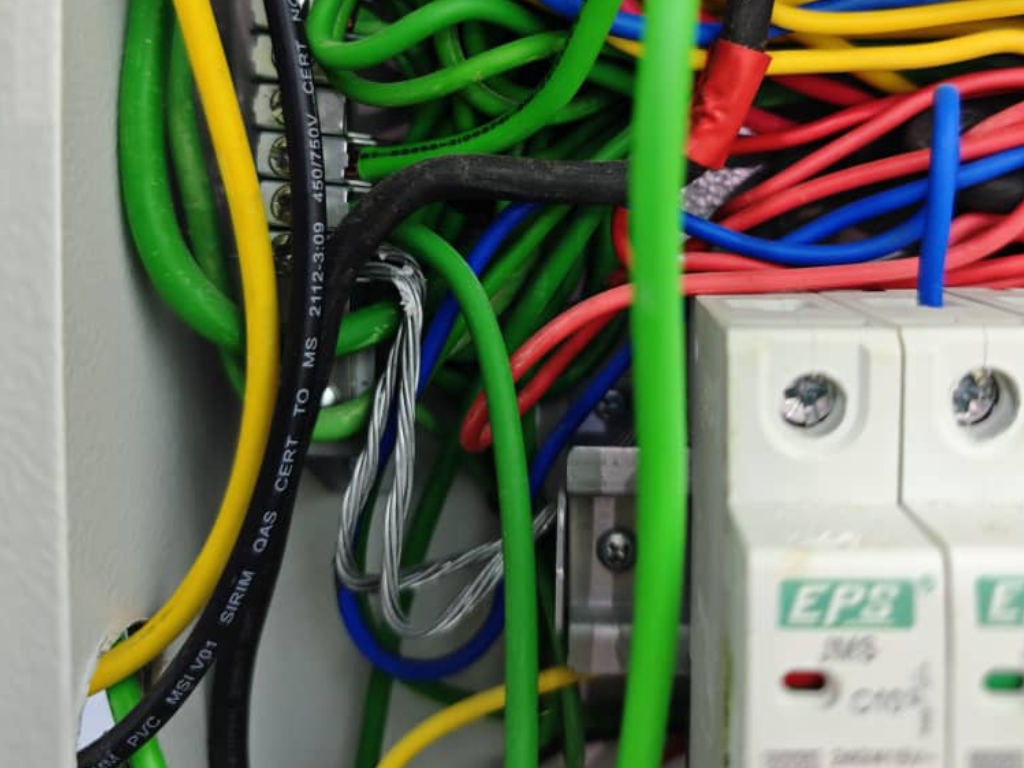
Corner Cutting #4: Poor Connection Workmanship
Even with correct materials:
- Loose terminations
- Poor crimping
- Improper tightening
Leads to:
- Localised heating (hotspots)
- Arcing
- Component failure
This is something you cannot see from outside.
Corner Cutting #5: No Load Assessment
A proper installer evaluates:
- Existing home load
- Available capacity
- Charging demand
Cheap installers:
- Skip this step entirely
Result:
- System overload
- Frequent tripping
- Long-term stress on wiring system
3. Why These Problems Don’t Show Immediately
This is the most dangerous part.
Cheap installations often:
- Work fine initially
- Charge your car without issue
The problem develops over time:
- Heat cycles degrade insulation
- Connections loosen
- Components wear prematurely
Failure timeline:
- Weeks → Minor issues
- Months → Frequent tripping
- 1–2 years → Major fault or hazard
4. Malaysian Conditions Make It Worse
Malaysia is not a mild environment.
Key factors:
- High ambient temperatures
- Enclosed DB spaces
- Long charging hours at night
- Mixed-quality legacy wiring
Result:
Electrical systems already operate closer to thermal limits.
Adding EV charging without proper design:
Pushes the system beyond safe margins
5. The False Economy of Cheap Installation
Let’s break it down:
You save:
- RM300 – RM1,000 upfront
But risk:
- Reinstallation cost
- Electrical repairs
- Charger damage
- Safety incidents
Reality:
Most “cheap” installations are not cheaper.
They are:
Deferred cost + increased risk
6. What a Proper Installation Looks Like
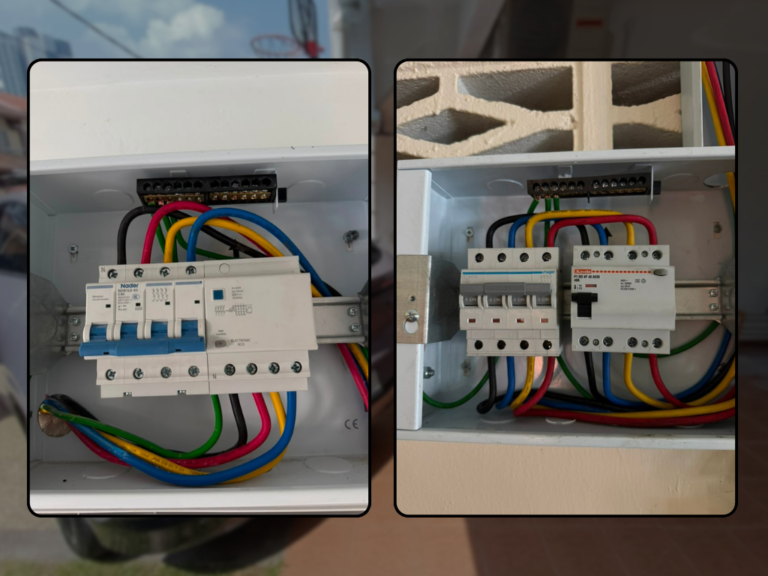
A professional EV charger installation will:
- Use correctly sized cables
- Install a dedicated circuit
- Include proper protection devices
- Ensure tight and secure connections
- Perform load assessment
- Conduct testing and commissioning
Result:
- Stable charging
- No overheating
- Long-term reliability
7. How to Protect Yourself
Before accepting any quotation:
Ask these questions:
- Is this a dedicated circuit?
- What cable size are you using?
- What protection devices are included?
- Have you assessed my home load?
- Will you test the system after installation?
If these are unclear:
The installation is not properly designed.
Final Thoughts
Cheap EV charger installation is not just a pricing decision.
It is a risk decision.
The danger is not that it fails immediately.
The danger is that it fails silently — over time.
Choosing a professional installer ensures:
- Your system operates within limits
- Your wiring is protected
- Your home remains safe
If you’re still evaluating options, continue here:
→ Licensed vs Unlicensed EV Charger Installers in Malaysia: What’s the Risk?
→ EV Charger Installation Cost in Malaysia (2026): What You Should Really Expect
Let our obsession with quality protect your safety.
Because when it comes to EV charging and electrical systems, there’s no room for compromise.
Need your EV charger or electrical setup professionally inspected?
📞 WhatsApp Us: https://wa.me/60125954786
Stay connected with us:
🔹 Instagram: https://www.instagram.com/InnovativeGreenPowerMY
🔹 Facebook: https://www.facebook.com/innovativegreenpower
🔹 YouTube: https://www.youtube.com/@IGPEVCharging-ir8rv
🌍 Website: https://www.innovativegreenpower.com