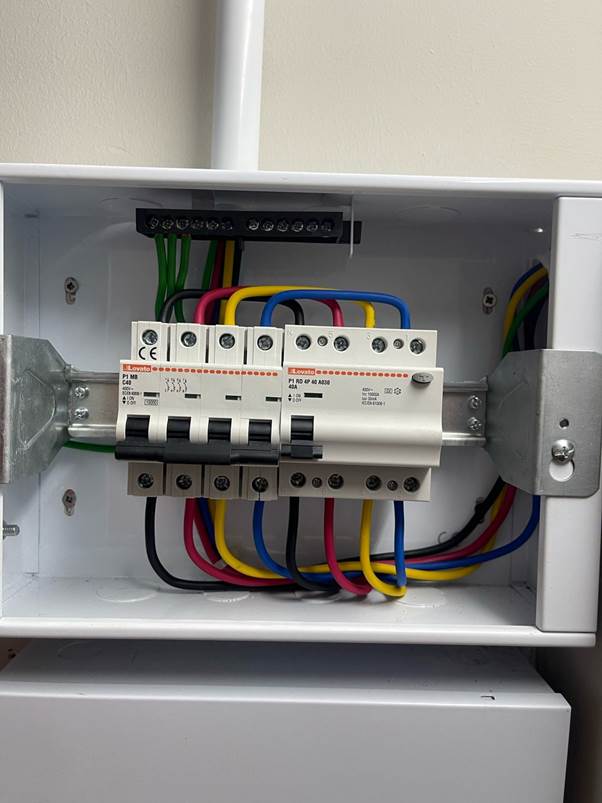
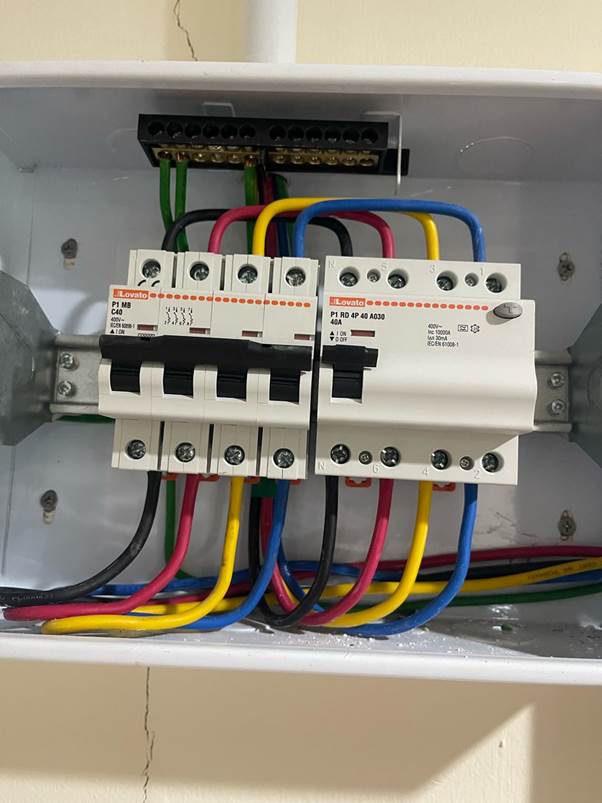
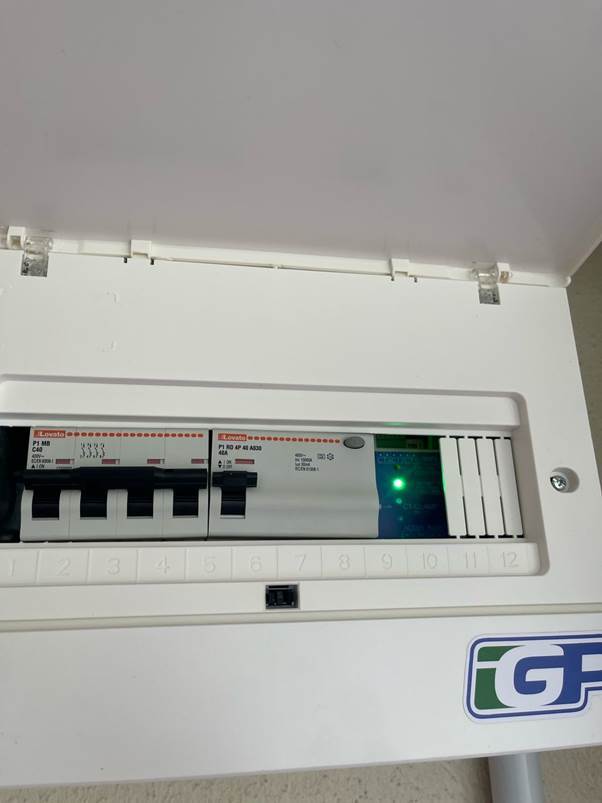
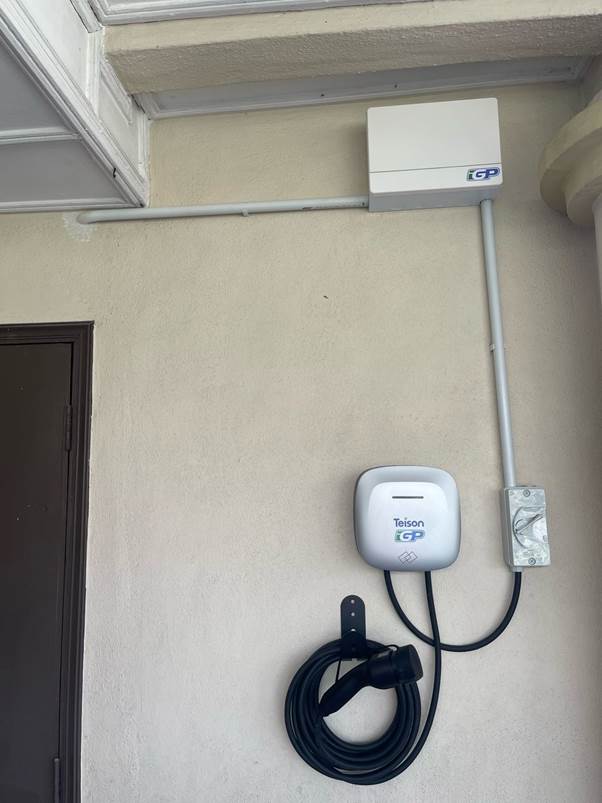
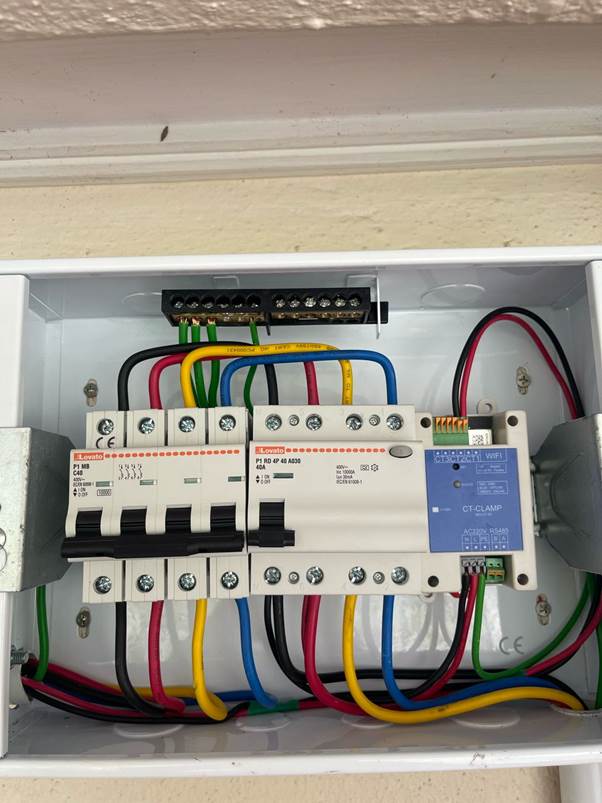
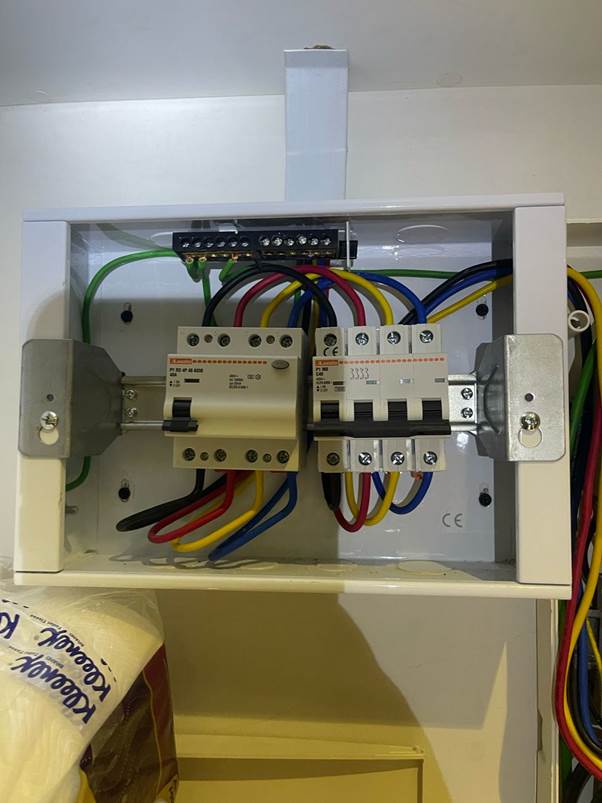
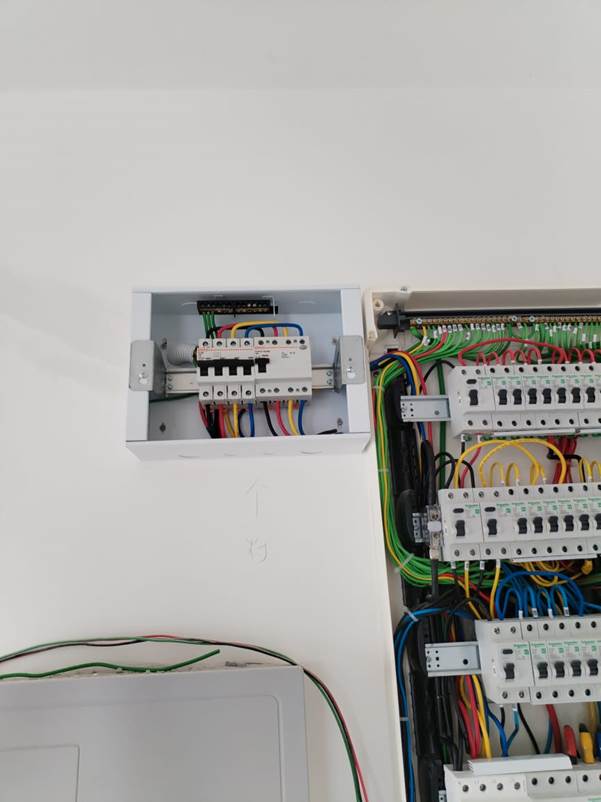
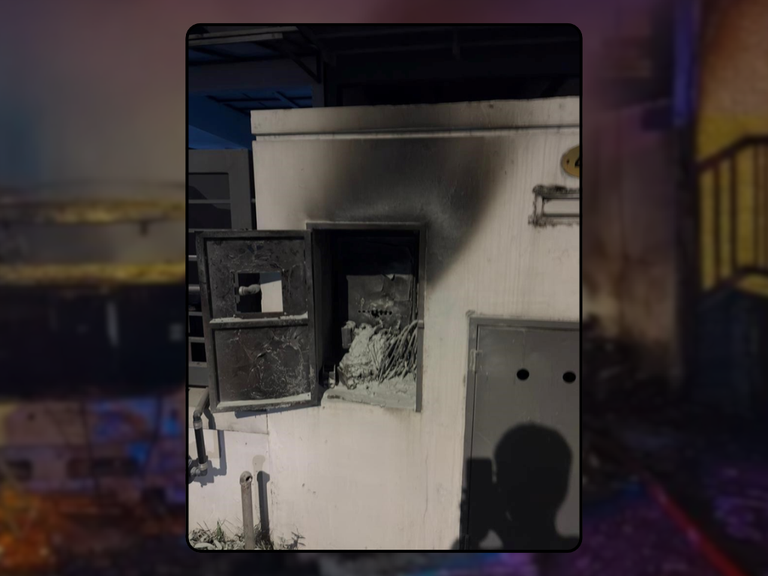
For home EV charging (EVSE) installations, a 4-pole Miniature Circuit Breaker (MCB) is the preferred choice over a 3-pole MCB, primarily due to enhanced safety, compliance with standards, and better electrical protection.
________________________________________
1. Neutral Disconnection – Key Safety Factor
• A 4-pole MCB disconnects all three phases and the neutral simultaneously when tripped.
• A 3-pole MCB only disconnects the three live phases, leaving the neutral connected.
Why does this matter?
• Prevents floating neutral issues: If the neutral remains connected while the phases are disconnected, it can create an unsafe voltage potential in the system, leading to electric shock hazards or equipment damage.
• Reduces residual voltage risks: In EV chargers, a connected neutral can allow unintended currents to circulate, potentially damaging the Onboard Charger (OBC) of the EV or the electrical components of the charger itself.
• Ensures complete isolation: When a fault occurs (overcurrent, short circuit, or earth fault), the entire circuit is safely cut off, reducing risks of electrical hazards.
________________________________________
2. Compliance with Electrical Standards
The use of a 4-pole MCB aligns with international and Malaysian electrical safety standards, ensuring full disconnection and system integrity:
• IEC 61851 (Electric Vehicle Conductive Charging System) – Requires complete circuit disconnection, including neutral, for EV chargers.
• IEC 60947-2 (Low Voltage Circuit Breakers) – Recommends 4-pole circuit breakers to prevent potential hazards related to floating neutrals.
• MS IEC 60364-7-722 (Malaysian Standard for EV Charging Installations) – Strongly advises using 4-pole MCBs for three-phase EVSE setups to enhance safety.
• TNB (Tenaga Nasional Berhad) Guidelines – Reference full disconnection as a requirement for EV charger installations in Malaysia.
________________________________________
3. Premium Circuit Protection with Lovato 10kA MCBs
At Innovative Green Power, we go beyond just meeting safety standards—we exceed them by using Lovato’s premium high-quality MCBs, which are standardized at 10kA short-circuit breaking capacity.
How does a 10kA rating add to safety?
• Higher Short-Circuit Protection: A 10kA-rated MCB can safely handle and disconnect fault currents up to 10,000 Amps, which is significantly higher than the typical 6kA-rated MCBs used in standard residential circuits. This means better protection in the event of severe short circuits.
• Lower Risk of Breaker Failure: Inferior MCBs may fail to interrupt high fault currents, causing electrical arcing, potential fire hazards, and damage to the electrical panel. The Lovato 10kA MCBs ensure that in the event of a short circuit, the breaker properly disconnects the power, protecting both the charger and the home’s electrical system.
• Industrial-Grade Reliability: Lovato only produces 10kA-rated MCBs, meaning that every installation benefits from higher endurance and durability, making it a superior choice for EV charging loads.
________________________________________
4. How This Translates to Safety for a Layman
For a non-technical user, these choices mean:
Safer disconnection: If a fault occurs, all live conductors + neutral are safely disconnected, preventing hidden risks.
Reduced risk of electric shock: Floating neutrals and unintended live voltages are eliminated.
Enhanced EV protection: Prevents voltage imbalances, transient surges, and unnecessary stress on the EV’s Onboard Charger (OBC).
Higher resistance to extreme faults: A 10kA-rated MCB ensures the home EVSE installation is protected even in the worst-case electrical scenarios.
________________________________________
Final Verdict
By using a 4-pole MCB for three-phase EVSE installations, combined with Lovato’s industrial-grade 10kA-rated breakers, we ensure:
Complete circuit isolation for maximum electrical safety.
Compliance with IEC and Malaysian standards, guaranteeing proper protection.
Protection against severe faults, exceeding standard MCB ratings.
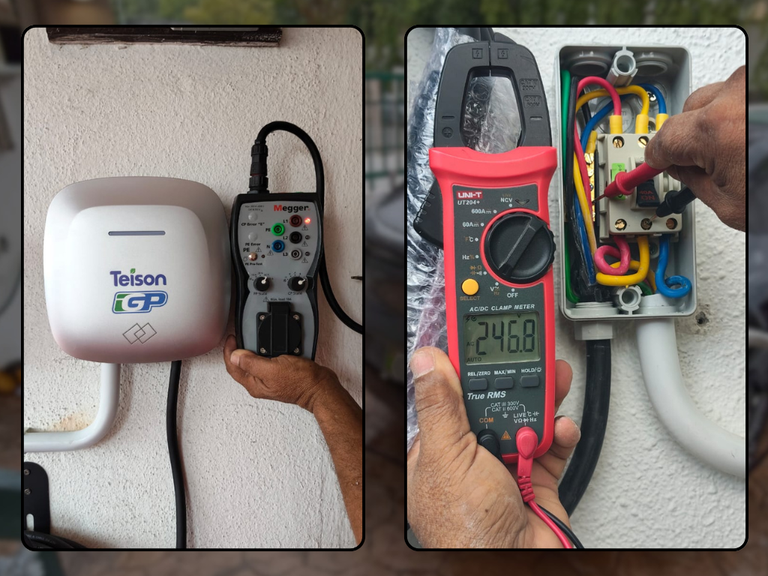
At Innovative Green Power, we don’t just install EV chargers—we engineer safety into every installation. Let our obsession for quality take care of your safety.