1. Introduction
Low-cost EV charger installations might look appealing, but they often cut corners that end up costing more in the long run. Improper shortcuts not only endanger your home and vehicle but also violate Malaysian regulations and void warranties. This article explains the hidden dangers of cheap installations and how to avoid them.
2. The “Direct from the Meter” Shortcut
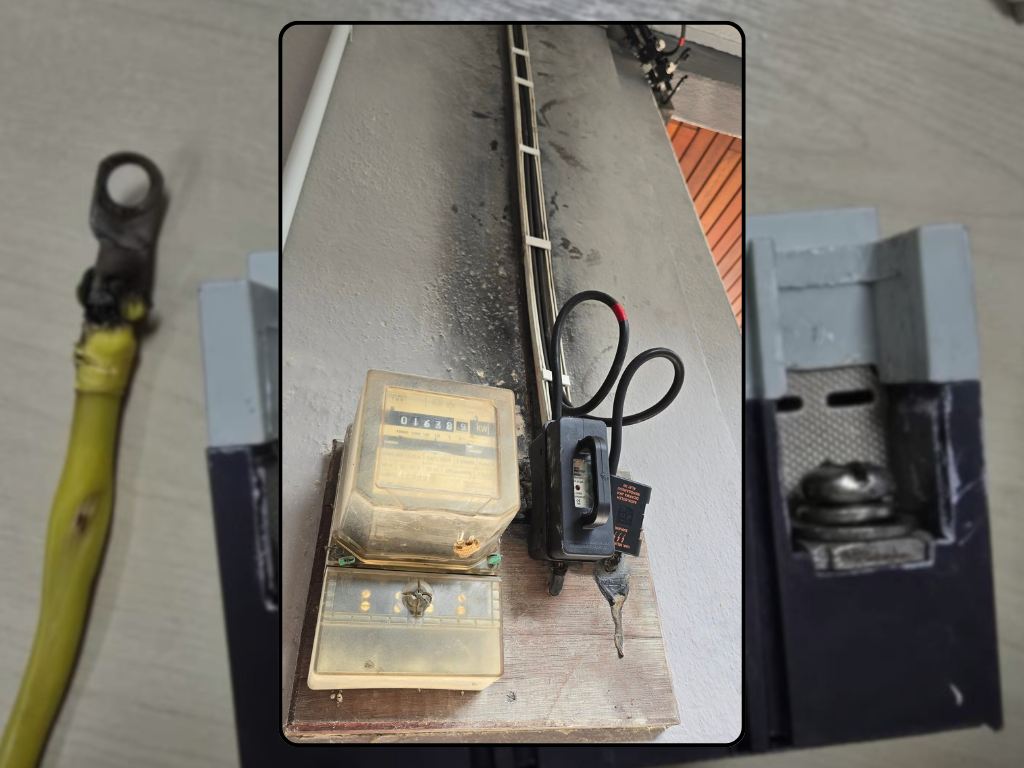
Some homeowners try to bypass the distribution board (DB) by tapping power directly from the TNB meter to avoid upgrading their wiring. This practice is illegal and unsafe:
- It creates a second power gateway outside the home’s protection system, breaking load monitoring and overload protection.
- Only licensed contractors may work near the meter, and tapping the meter can be considered tampering under TNB agreements and the Electricity Supply Act.
- Without RCCB/MCB protection, faults may not trip, and cables can overheat, posing fire hazards.
3. Losing Load Balancing and Safety Features
Smart chargers use load balancing to monitor household demand and adjust charging current accordingly. If you bypass the DB, the charger cannot sense the house load, undermining load-balancing features. This increases the risk of overloading and defeats the purpose of smart charging.
4. Voided Warranty and Insurance
Unapproved or unsafe wiring can void your home insurance and the charger’s manufacturer warranty. Insurers and manufacturers often require proof of proper installation by a registered electrical contractor; skipping these requirements leaves you unprotected.
5. Danger of Sharing Circuits
Some installers wire EV chargers into existing socket circuits to save on materials. This practice violates ST guidelines:
- EV chargers run continuously at high current, risking overheating if the circuit is shared.
- ST requires every EV charger to have its own final circuit with properly sized cables, overcurrent and earth-leakage protection.
- Cables must be continuous without joints.
- Sharing circuits can cause nuisance tripping, cable insulation damage, and fires.
- Non-compliant installations may invalidate warranties and insurance.
6. Improper Materials and Protection
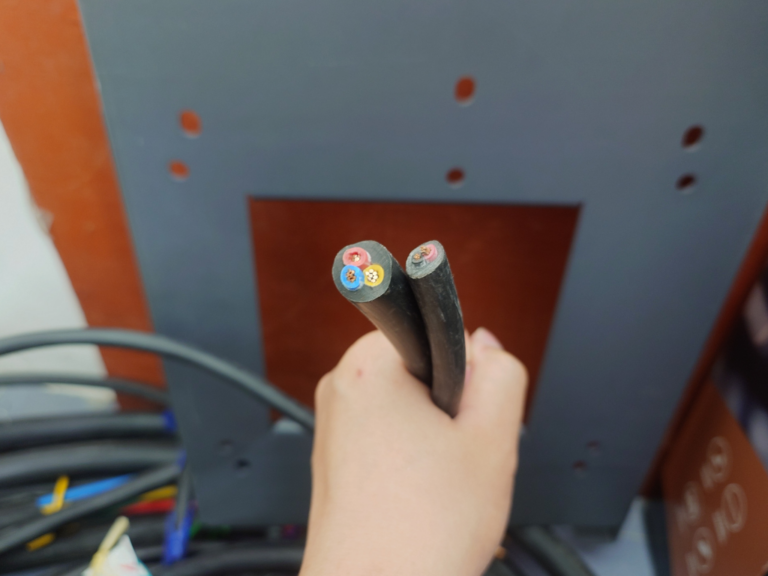
Cheap installers often use undersized cables and omit proper RCDs or surge protection. EV chargers are continuous loads requiring 6 mm² or larger cables to meet voltage drop and thermal limits. Using smaller cables or cheaper protective devices can result in overheating and early failure. Proper earthing and residual current protection are mandatory.
7. How IGP Protects Your Investment
Innovative Green Power refuses to cut corners. We design a dedicated final circuit with the correct cable size, MCB, RCCB/RCBO and isolator. Our standard installation packages start at RM 1 599 and include up to 10 m of 6 mm² or 10 mm² cabling, a quality distribution box and proper protective devices. We never bypass the DB or share circuits. We also offer smart chargers with load-balancing to avoid overloading and to adapt to your household usage.
8. Conclusion
Cheap EV charger installations often come with hidden risks: illegal meter tapping, shared circuits, undersized cables and missing protection devices. These shortcuts can cause fires, void insurance and lead to expensive repairs. Avoid the temptation of low quotes and insist on a registered electrical contractor who designs a dedicated circuit, uses proper materials and provides documentation. With IGP, you get a safe installation that protects your home and wallet long term.