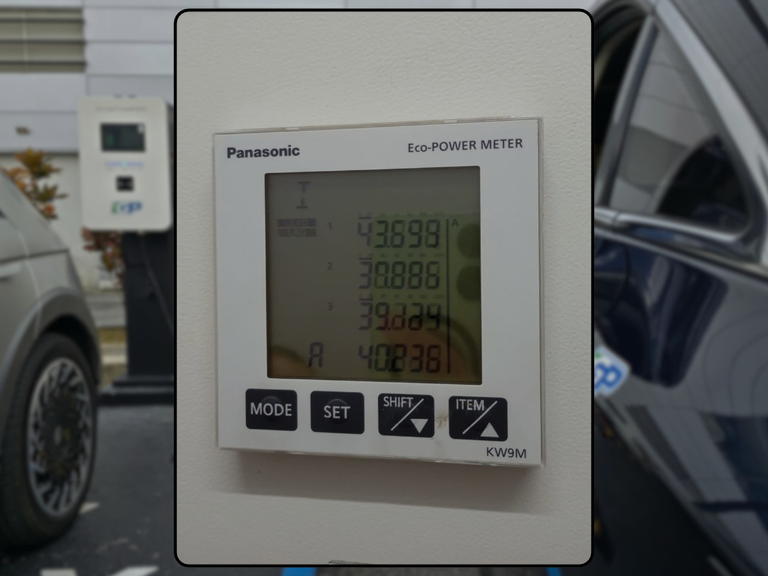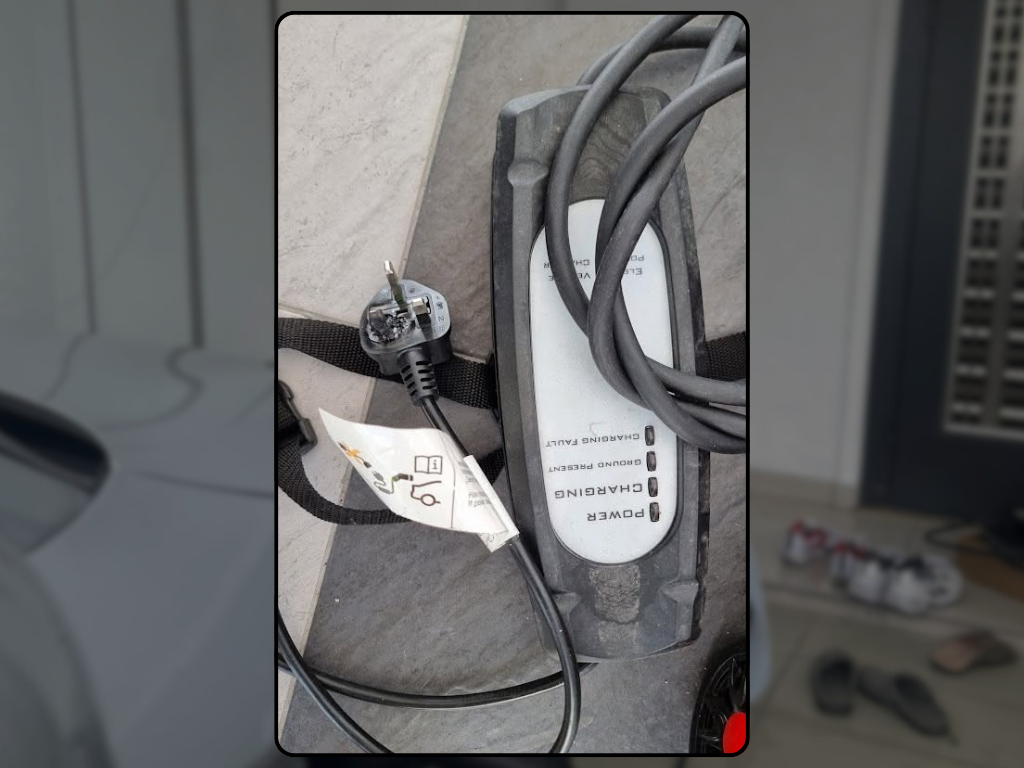
Portable EV chargers are useful. Many EV owners receive one with the car, buy one for backup, or keep one for occasional use at a second home or family house. There is nothing wrong with understanding how to use portable charging properly.
The problem starts when a normal 13A socket is treated like a permanent EV charging solution without checking the socket, wiring, protection, load, and usage pattern. EV charging is different from many household appliances because it can run continuously for hours.
A normal appliance may draw high current for a short time. A kettle runs for a few minutes. A water heater is usually used for a short period. An EV charger may run for six, eight or even ten hours, especially overnight. This long-duration load is the reason socket condition matters so much.
When current flows for a long time, weak points become important. A loose socket, worn contact, poor plug fit, old wiring, weak termination, cheap adapter, coiled extension cord, or overloaded circuit can generate heat. The problem may not appear immediately. It can develop quietly over repeated charging sessions.
This does not mean every portable charger is unsafe. It means portable charging must be used with the right understanding. The socket must be in good condition. The circuit should be suitable. The plug must fit firmly. The current setting should be appropriate. The charger should not be used through random extension cords or multi-plug adapters. The user should check for heat, smell, discoloration or looseness.
Extension cords deserve special attention. Many extension cords are not designed for long-duration EV charging. Some are too thin. Some have poor contacts. Some are coiled while in use, trapping heat. Some are used with adapters or multi-way plugs. This is where a convenient solution can become a risky habit.
Another issue is that many owners do not know what else is connected to the same socket circuit. A 13A socket may share wiring with other sockets or appliances. If EV charging is added to an already loaded circuit, the risk of nuisance tripping, overheating or poor performance increases.
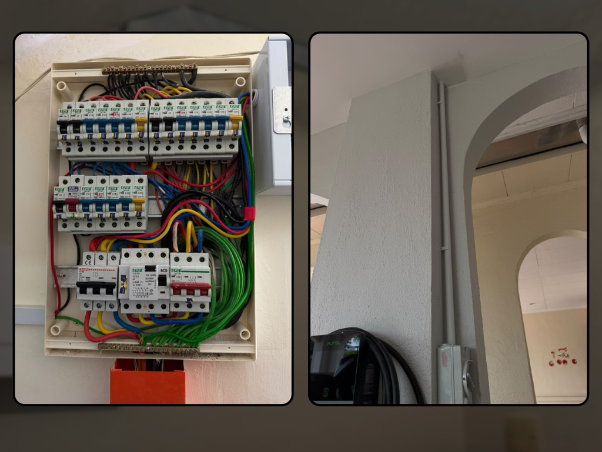
This is why a dedicated EV charging circuit is usually the better long-term solution for daily home charging. A dedicated circuit allows the installer to select the cable, route, protection devices and charger setting specifically for EV use. It also makes isolation, testing and maintenance clearer.
Portable charging can still have a place. It can be useful for emergencies, occasional low-power charging, travel, or short-term use while waiting for a proper installation. But it should not be treated as a way to avoid electrical assessment permanently.
For owners who need portable charging at a parent’s house or a second location, the right question is not only whether the plug fits. The right question is whether the socket and circuit are suitable for the current and duration you plan to use. A proper check of the socket condition, circuit protection, wiring route and available load can prevent unsafe assumptions.
Some portable chargers allow current adjustment. This is useful, but it does not remove the need to check the socket. Lower current reduces stress, but if the socket is damaged, old, loose or poorly wired, even lower-current long-duration use can still be a concern.
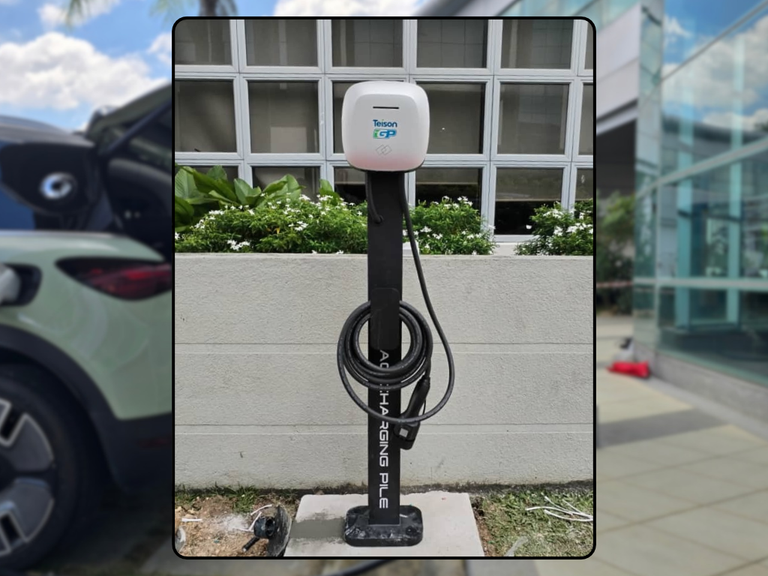
Owners should also avoid comparing portable charging directly with a proper wallbox installation. A wallbox is designed as part of a fixed charging system. It should be connected through a dedicated final circuit, suitable protection devices, proper cable sizing, isolator and testing. A portable charger is more flexible, but that flexibility depends heavily on the condition of the socket it uses.
At IGP, our position is balanced. We do not say portable charging is always wrong. We say it must be used with proper awareness. If you are using it as temporary backup, use it carefully. If you are depending on it every day, it is time to assess whether a proper fixed charger installation is safer and more practical.
EV charging should be convenient, but convenience should not come from ignoring electrical limits. If you are unsure whether a socket, industrial outlet, or portable charging setup is suitable, get it checked before using it regularly.
IGP’s Safety Principles
At IGP, we do not look at home charging as a wallbox sale only. We look at it as an electrical system. The goal is not to push maximum power into every home. The goal is to design a charging setup that the home can safely and reliably support.
Home charging should be convenient, but it should also be designed properly.
Let our obsession with quality protect your safety.
Because when it comes to EV charging and electrical systems, there’s no room for compromise.
Need your EV charger or electrical setup professionally inspected?
📲 WhatsApp Us: https://wa.me/60125954786
Stay connected with us:
📷 Instagram: https://www.instagram.com/InnovativeGreenPowerMY
📘 Facebook: https://www.facebook.com/innovativegreenpower
🎥 YouTube: https://www.youtube.com/@IGPEVCharging-ir8rv
🖥 Website: https://www.innovativegreenpower.com