By Alvin Wong, CEO of Innovative Green Power Sdn. Bhd.
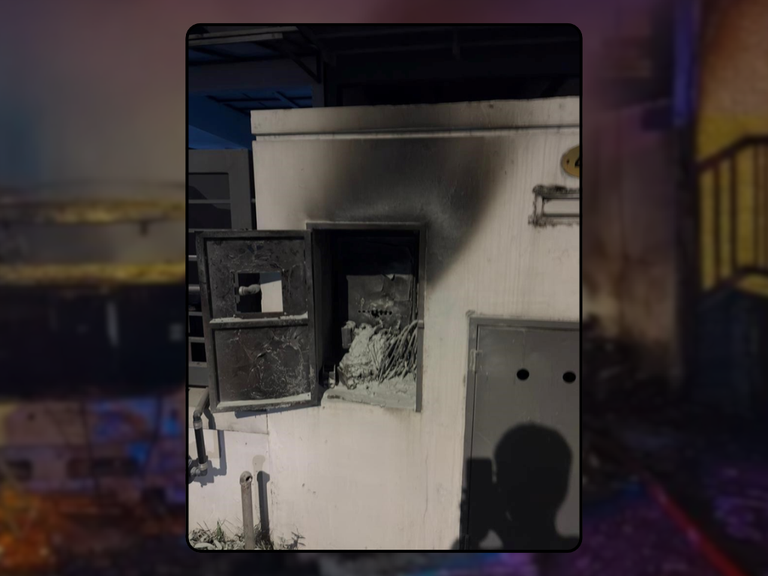
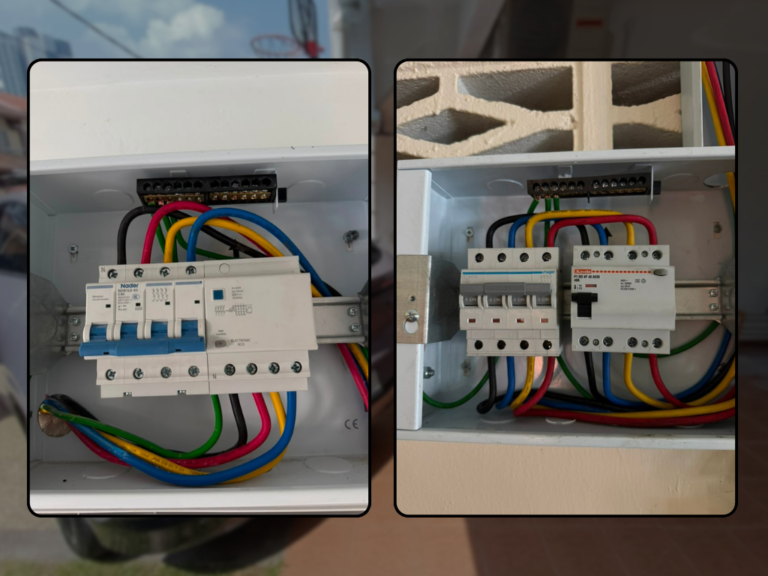
When installing an EV charger, you’ll often see three main devices in sequence: MCB (Miniature Circuit Breaker), RCCB (Residual Current Circuit Breaker), and Isolator Switch.
At first glance, it might feel like the isolator is unnecessary — after all, the MCB and RCCB can both break the circuit. But in reality, each device serves a different purpose, and the isolator plays a role that the other two cannot fully replace.
1. The Roles of MCB and RCCB
Before we talk about the isolator, it’s important to understand what the other two do:
- MCB (Miniature Circuit Breaker) – Protects the circuit from overcurrent caused by overloads or short circuits. It trips automatically when the current exceeds its rating.
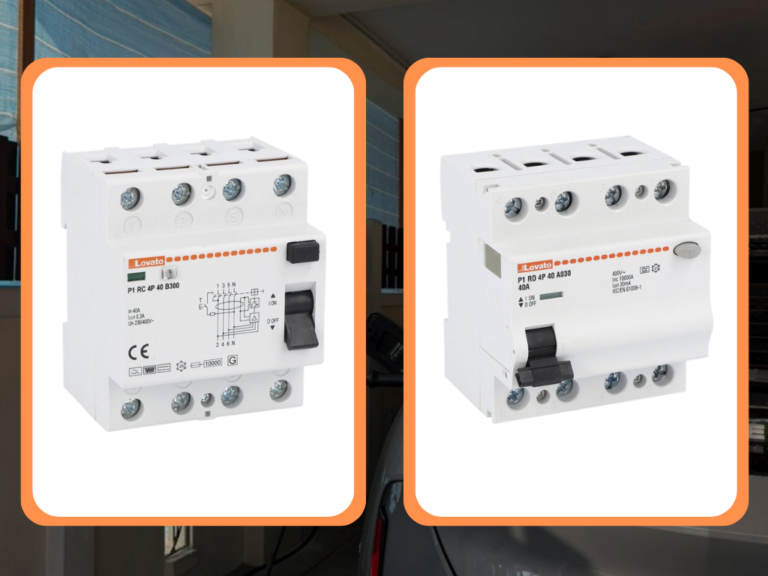
- RCCB (Residual Current Circuit Breaker) – Protects people from electric shock and equipment from earth leakage faults by cutting power when leakage current exceeds the set threshold (e.g., 30mA).
Both devices can be switched off manually, but their main design purpose is automatic fault protection, not manual isolation.
2. What Makes the Isolator Different?
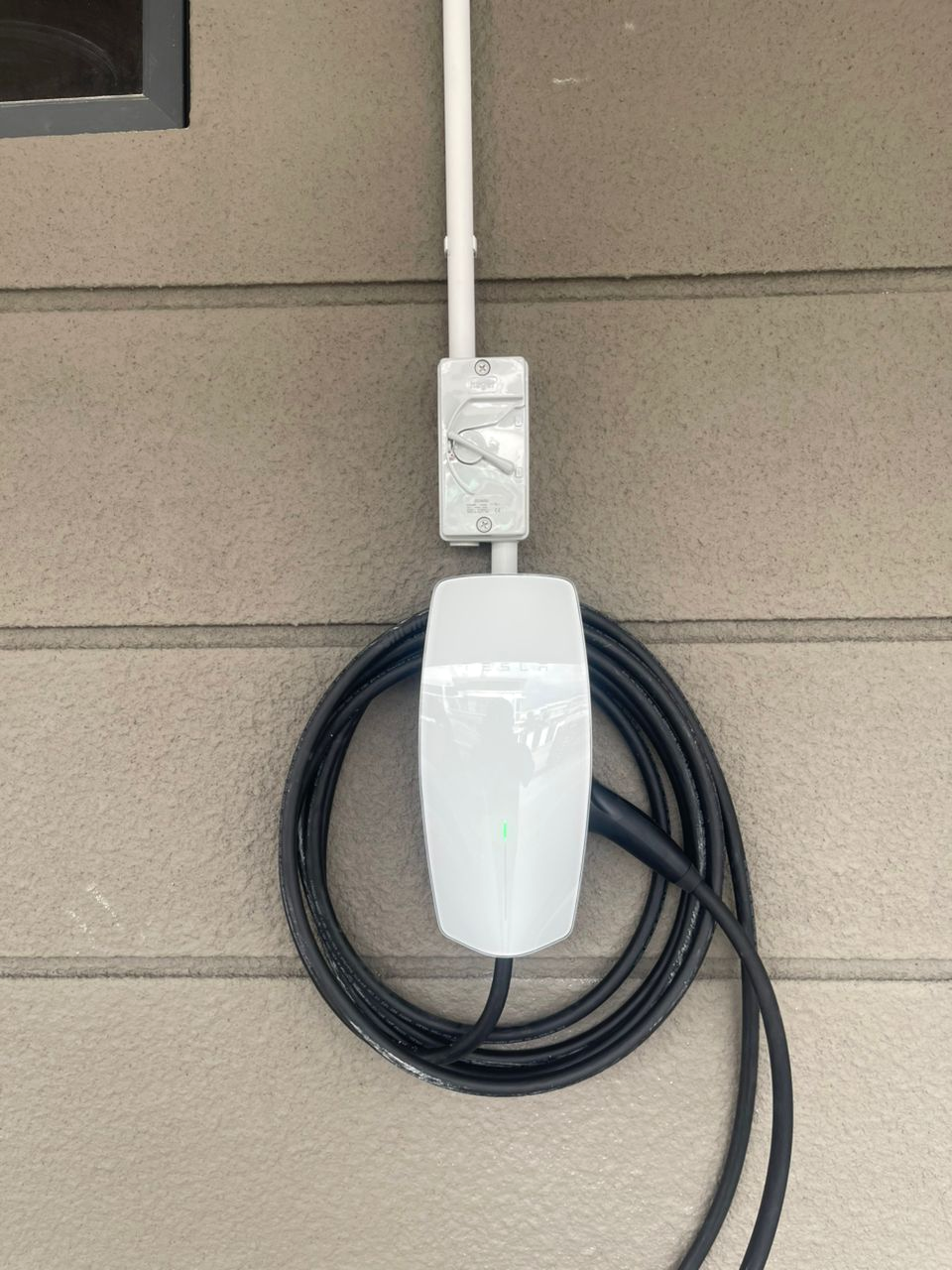
The isolator switch is a manual disconnection device. It does not trip automatically during a fault. Instead, it allows the circuit to be physically disconnected in a safe, controlled, and visible way.
Here’s why it’s essential:
A. Safe Maintenance
During servicing, technicians need a clear and lockable OFF position near the EV charger. This prevents anyone from accidentally turning the power back on while work is in progress.
B. Local Emergency Control
If the MCB and RCCB are located inside the main distribution board (often far from the charger), the isolator gives you a quick local shut-off point. In an emergency, this can save precious time.
C. Clear Contact Separation
An isolator provides complete disconnection with visible or tactile confirmation that the circuit is open. This goes beyond simply “flipping a breaker” — it’s about certainty that the system is safe to work on.
D. Compliance with Standards
Electrical safety guidelines, including IEC 60364-7-722 and Malaysian Suruhanjaya Tenaga recommendations, require a local isolating device for EV chargers. This ensures safer inspection, testing, and repairs.
3. How They Work Together in an EV Charger Circuit
Think of the three devices as layers of safety:
- MCB – Guards against overcurrent damage.
- RCCB – Guards against electric shock and leakage faults.
- Isolator Switch – Gives humans full control to safely disconnect power when needed.
The MCB and RCCB protect you when something goes wrong electrically.
The isolator protects you when humans need to step in and work on the system.
Conclusion
The isolator isn’t just an “extra switch” — it’s a dedicated, reliable, and regulatory-required safety measure that ensures the circuit stays off until it’s safe to turn it back on.
In EV charger installations, safety is about layered protection, and the isolator is a crucial part of that system.
Let our obsession with quality protect your safety.
Because when it comes to EV charging and electrical systems, there’s no room for compromise.