If you’re planning to install an EV charger at home, you may have heard this advice:
“Your fuse is too small — just upgrade it.”
It sounds simple. Quick fix. Problem solved.
But in reality:
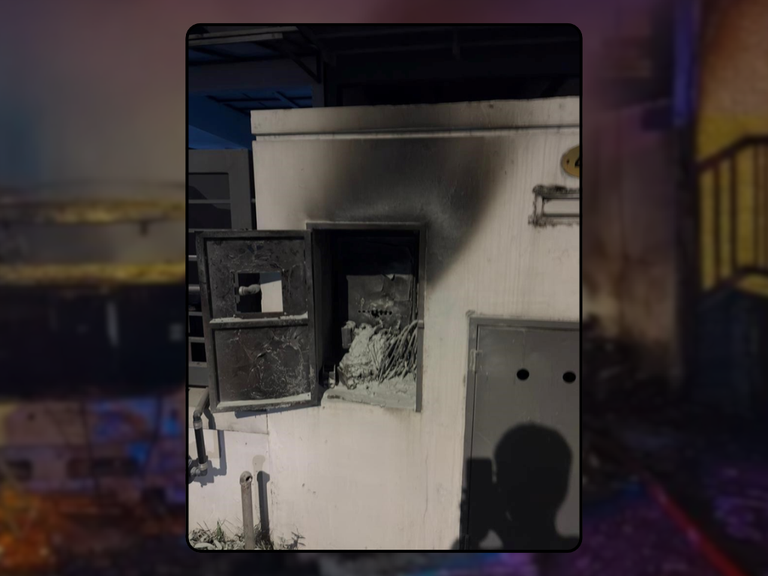
Blindly upgrading your fuse is one of the most dangerous things you can do to your home electrical system.
This article explains when a fuse upgrade is actually needed — and when it becomes a serious safety risk.
1. What Your Main Fuse Actually Does
Your main fuse is not an inconvenience.
It is a critical safety device.
Its purpose:
- Protect your wiring from overcurrent
- Prevent overheating
- Reduce fire risk
When a fuse blows:
It is doing exactly what it is designed to do:
Stopping your system from operating beyond safe limits
2. Why EV Charging Triggers Fuse Concerns
EV charging introduces:
- High current (up to 32A or more)
- Long-duration load (6–10 hours)
- Daily repetition
In many Malaysian homes:
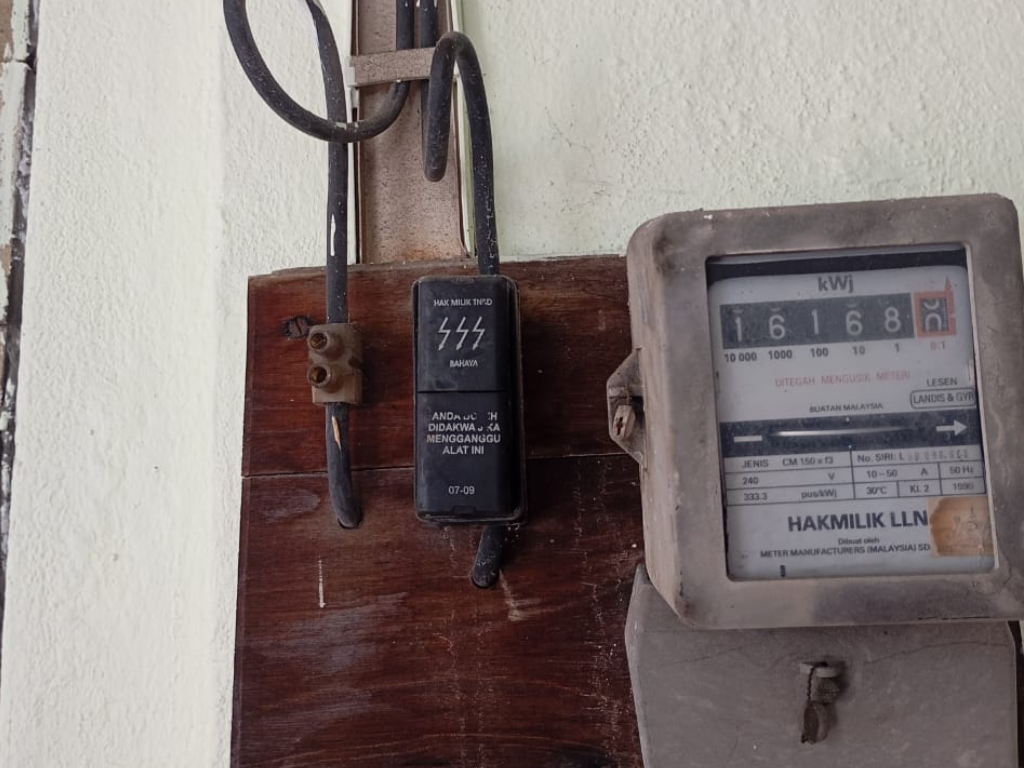
- Main fuse is typically around 60A
- Existing load already includes:
- Aircond
- Water heater
- Kitchen appliances
Adding EV charging:
Pushes total demand closer to — or beyond — system limits.
3. The Dangerous Shortcut: “Just Upgrade the Fuse”
This is where problems start.
Some installers recommend:
“Upgrade from 60A to 80A or 100A — no issue.”
What they are ignoring:
- Cable capacity
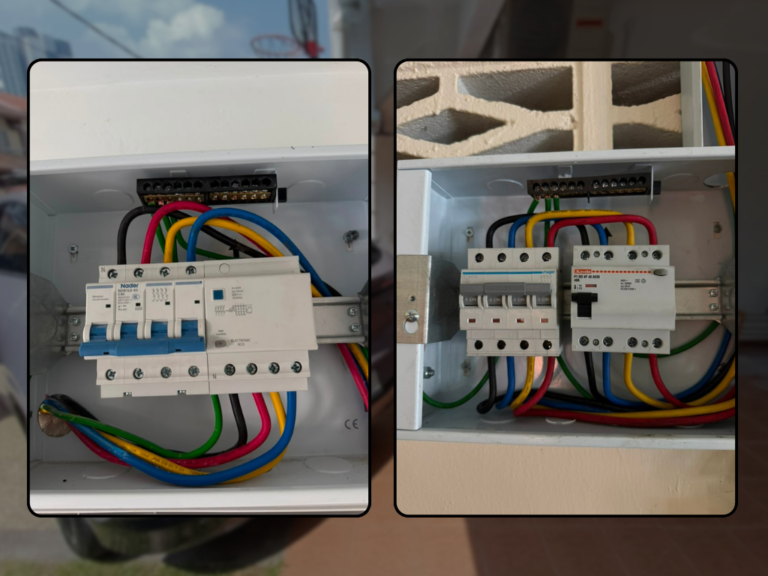
- Distribution board rating
- Internal wiring condition
- Actual load profile
Reality:
The fuse protects the cable — not your charger
If you increase the fuse size without upgrading the wiring:
- The cable becomes the weak point
- Overheating can occur before protection trips
4. Why This Is Risky (Real Engineering Perspective)
Electrical systems are designed as a complete chain:
- Supply → Fuse → Cable → DB → Circuit → Load
When you increase fuse size:
You are allowing:
- More current to flow
- Through cables that may not be designed for it
Result:
- Insulation degradation
- Heat buildup
- Long-term failure risk
This is especially dangerous because:
It does not fail immediately — it fails over time
5. What the Guidelines Actually Require
According to EVCS guidelines:
- EV chargers must be installed on a dedicated circuit
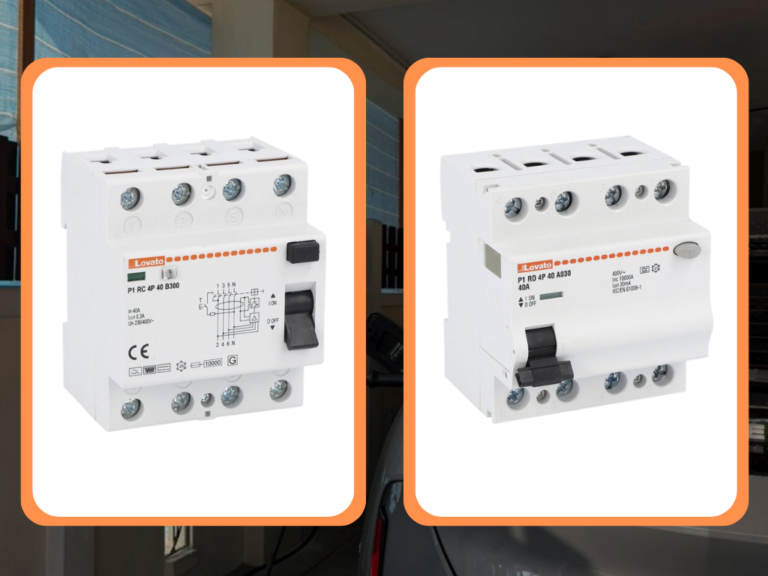
- Proper protection devices must be used
- System design must comply with safety standards
What is NOT stated:
- “Simply increase fuse size to support EV charging”
Because:
Proper design comes before capacity increase
6. When Is a Fuse Upgrade Actually Needed?
A fuse upgrade may be valid — but only under the right conditions.
Proper process:
Step 1: Full Load Assessment
- Current household usage
- Peak demand
- EV charging requirement
Step 2: System Evaluation
- Cable size from meter to DB
- DB capacity
- Protection coordination
Step 3: Infrastructure Upgrade (if required)
- Replace undersized cables
- Upgrade DB
- Ensure proper protection devices
Step 4: Apply for TNB Upgrade
- Only after system is ready
Key principle:
Upgrade the system first, then the fuse — not the other way around
7. Safer Alternatives to Fuse Upgrade
In many cases, you don’t need to upgrade your fuse at all.
Option 1: Load Balancing
Smart chargers can:
- Monitor total home consumption
- Adjust EV charging current dynamically
Benefit:
- Prevent overload
- Maximise available capacity
- Avoid infrastructure upgrade
Option 2: Scheduled Charging
Charge:
- During low household usage (e.g. midnight)
Benefit:
- Reduce peak demand
- Stay within system limits
Option 3: Lower Charging Current
Instead of 32A:
- Use 16A or 20A charging
Benefit:
- Lower stress on system
- Still sufficient for overnight charging
8. Real Malaysian Context
Most homes:
- Were not designed for EV charging
- Have limited spare capacity
But:
Most EV owners:
- Do not need full 7kW charging
- Can comfortably charge overnight
Meaning:
Smart management is often better than brute-force upgrades
9. How to Tell If Your Installer Is Responsible
Ask this simple question:
“Do I need to upgrade my fuse?”
A responsible installer will:
- Ask about your usage
- Evaluate your system
- Propose alternatives
- Explain risks
An irresponsible one will:
- Recommend upgrade immediately
- Avoid technical explanation
- Focus on “making it work”
10. Simple Rule to Remember
If someone suggests upgrading your fuse without inspecting your system — walk away.
Final Thoughts
Fuse upgrades are not inherently wrong.
But they are engineering decisions, not shortcuts.
The goal is not to push more power into your home.
The goal is to ensure your home can safely handle the power you use.
A properly designed EV charging system:
- Works within your limits
- Protects your wiring
- Operates safely every day
If you’re planning your installation, you may also want to read:
→ Single Phase vs Three Phase EV Charging in Malaysia
→ Why Cheap EV Charger Installations Can Be Dangerous
Let our obsession with quality protect your safety.
Because when it comes to EV charging and electrical systems, there’s no room for compromise.
Need your EV charger or electrical setup professionally inspected?
📞 WhatsApp Us: https://wa.me/60125954786
Stay connected with us:
🔹 Instagram: https://www.instagram.com/InnovativeGreenPowerMY
🔹 Facebook: https://www.facebook.com/innovativegreenpower
🔹 YouTube: https://www.youtube.com/@IGPEVCharging-ir8rv
🌍 Website: https://www.innovativegreenpower.com