When installing an EV charger, one of the most overlooked — but most critical — components is the cable.
Many homeowners don’t ask about it.
Many installers don’t explain it.
But in reality:
Cable sizing is one of the most important factors determining whether your EV charger installation is safe or not.
This guide explains how cable sizing works in Malaysia, and what you should expect from a properly designed installation.
1. Why Cable Size Matters for EV Charging
EV charging is not a typical load.
It involves:
- Continuous current (up to 32A or more)
- Long charging durations (6–10 hours)
- Daily usage
What happens if the cable is undersized:
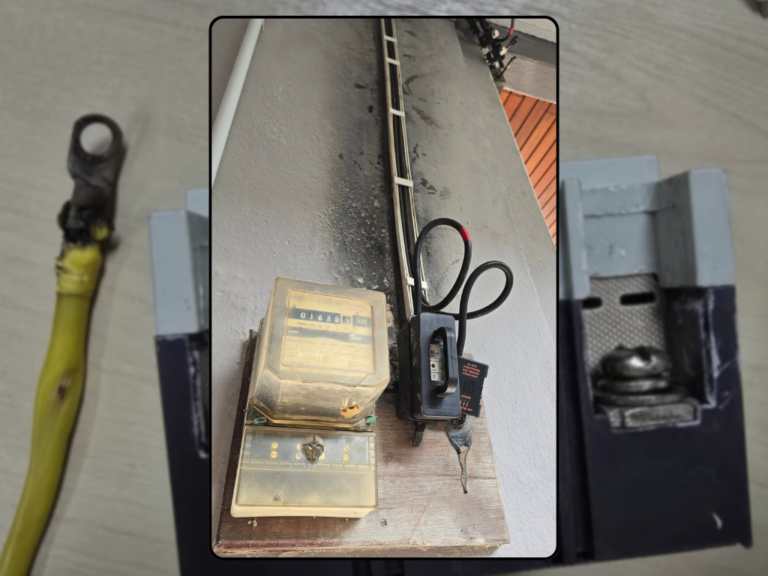
- Increased electrical resistance
- Heat buildup
- Voltage drop
- Insulation degradation
Worst-case scenario:
Hidden overheating inside trunking or walls
This is why cable sizing is not optional — it is fundamental.
2. EV Charging Requires a Dedicated Circuit
According to EVCS guidelines:
EV chargers must be installed on a dedicated final circuit
This means:
- A dedicated cable from DB to charger
- No sharing with other loads
- Proper sizing based on charger demand
3. Common Cable Sizes Used in Malaysia
For residential EV charging, typical cable sizes are:
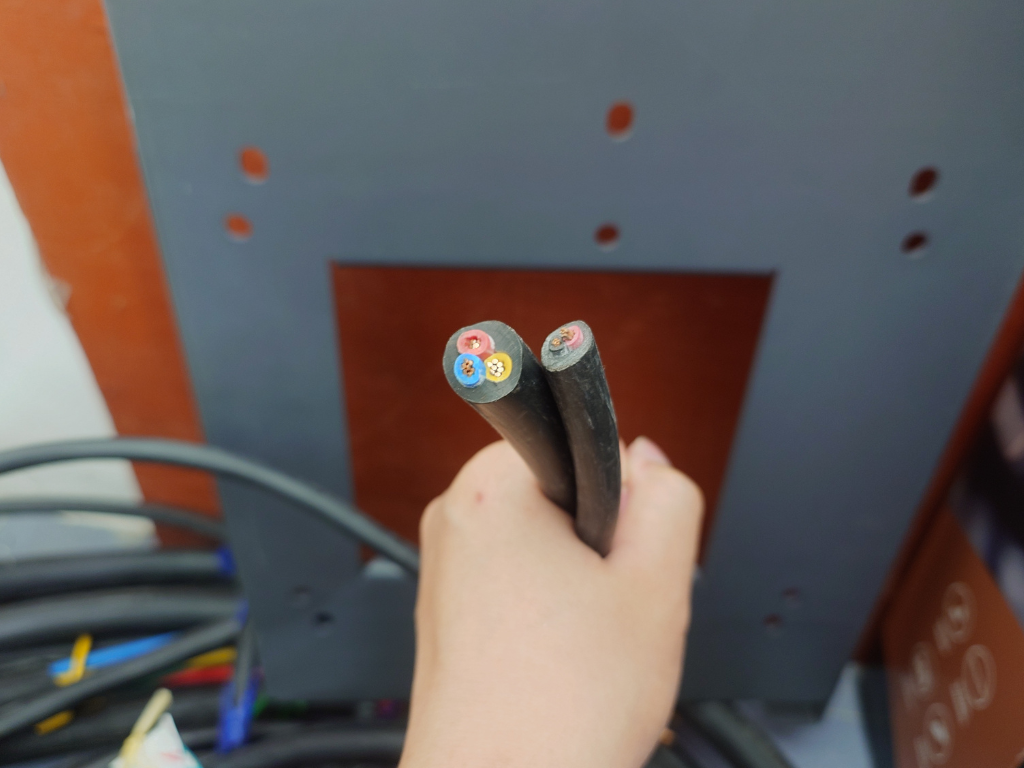
4mm² Copper Cable
- Lower current capacity
- Suitable for:
- Short distance
- Lower current (e.g. 16A)
6mm² Copper Cable (Most Common)
- Standard for 32A single-phase (≈7kW)
- Suitable for most landed homes
- Used by many professional installers as baseline
10mm² Copper Cable
- Used when:
- Cable run is long
- Higher load required
- Voltage drop needs to be controlled
Three-Phase Systems
- Typically:
- 5-core cables
- 6mm² or 10mm² depending on load
4. Cable Size Is Not Just About Current
This is where many misunderstand.
Cable sizing depends on multiple factors:
a. Current (Amperage)
- 16A vs 32A vs higher
b. Cable Length
- Longer distance = higher voltage drop
- Requires larger cable
c. Installation Method
- In conduit
- In trunking
- Exposed
- Buried
Why it matters:
Different installation methods affect:
- Heat dissipation
- Current carrying capacity
d. Ambient Temperature (Very Important in Malaysia)
Malaysia’s climate:
- High ambient temperature
- Enclosed DB environments
Result:
Cables operate closer to thermal limits
Good design accounts for:
- Derating factors
- Real operating conditions
5. Voltage Drop: The Hidden Factor
Voltage drop is often ignored — but it matters.
What is voltage drop?
Loss of voltage along the cable due to resistance.
Effects:
- Reduced charging efficiency
- Slower charging
- Increased heat
Rule of thumb:
- Longer cable → larger cable required
6. Why 6mm² Is Common — But Not Always Enough
Many installers default to:
“6mm² cable is enough”
This is partially true:
- For short distances
- For standard 32A load
But becomes insufficient when:
- Cable run exceeds ~15–20m
- Installation environment is restrictive
- Load conditions are high
Result:
- Higher heat
- Performance issues
7. Common Mistakes in the Market
Mistake 1: Using the Smallest Possible Cable
To reduce cost:
- Installer uses borderline sizing
Mistake 2: Ignoring Cable Length
Same cable used for:
- 5m installation
- 30m installation
Mistake 3: No Voltage Drop Consideration
Focus only on current rating
Mistake 4: No Derating for Environment
Ignoring Malaysian temperature conditions
8. What a Proper Installer Will Do
A professional installer will:
- Calculate load requirement
- Measure actual cable route distance
- Select cable based on:
- Current
- Length
- Installation method
- Environment
They will not:
- Give a one-size-fits-all answer
- Use the same cable for every house
9. Real Example Scenarios
Scenario A: Short Distance Installation
- 5–10m
- 32A charger
6mm² cable is typically sufficient
Scenario B: Medium Distance
- 15–25m
May require 6mm² or 10mm² depending on conditions
Scenario C: Long Distance (>30m)
- Higher voltage drop risk
10mm² recommended
10. Cost vs Safety: Where Cable Decisions Matter
Cable is one of the biggest cost components.
Cheap installations:
- Use smaller cable
- Reduce material cost
Proper installations:
- Size correctly
- Accept higher upfront cost
The difference:
Safety and long-term reliability
Final Thoughts
Cable sizing is not something you should guess.
It is something your installer must calculate and justify.
The right cable size ensures your EV charger runs safely every day — not just on installation day.
If you’re evaluating your setup, continue here:
→ Do You Need to Upgrade Your Fuse for EV Charging in Malaysia?
→ What Makes a Good EV Charger Installer in Malaysia?
Let our obsession with quality protect your safety.
Because when it comes to EV charging and electrical systems, there’s no room for compromise.
Need your EV charger or electrical setup professionally inspected?
📞 WhatsApp Us: https://wa.me/60125954786
Stay connected with us:
🔹 Instagram: https://www.instagram.com/InnovativeGreenPowerMY
🔹 Facebook: https://www.facebook.com/innovativegreenpower
🔹 YouTube: https://www.youtube.com/@IGPEVCharging-ir8rv
🌍 Website: https://www.innovativegreenpower.com