Ordering an electric vehicle is an exciting milestone.
Most buyers immediately begin planning the obvious things:
- Insurance
- Financing
- Delivery date
- Accessories for the car
But one of the most important parts of EV ownership is often overlooked until the last minute:
Home charging preparation.
In reality, the best time to plan your home charging system is immediately after placing your EV order — not when the delivery date is confirmed.
Why Waiting Often Creates Unnecessary Stress
Many new EV owners only begin thinking about charger installation when the delivery date is announced.
At that point, several things can happen:
- Installer schedules may already be full
- Electrical upgrades may be discovered too late
- Charger selection becomes rushed
- Installation timelines become tight
The result is that many new EV owners spend their first few weeks relying heavily on public charging, simply because home charging was not prepared early enough.
Public chargers are an important part of EV infrastructure, but they were never meant to replace the convenience of daily home charging.
Home charging should ideally be ready the day your EV arrives.
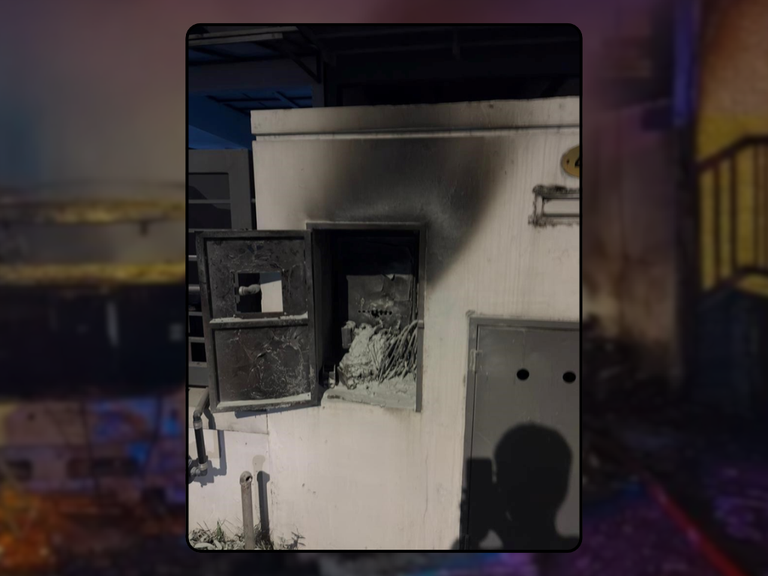
EV Charging Is an Electrical System — Not Just a Product
A common misconception is that installing a home charger is as simple as buying a device and mounting it on the wall.
In reality, a proper home EV charging setup involves several elements:
- Electrical capacity of the home
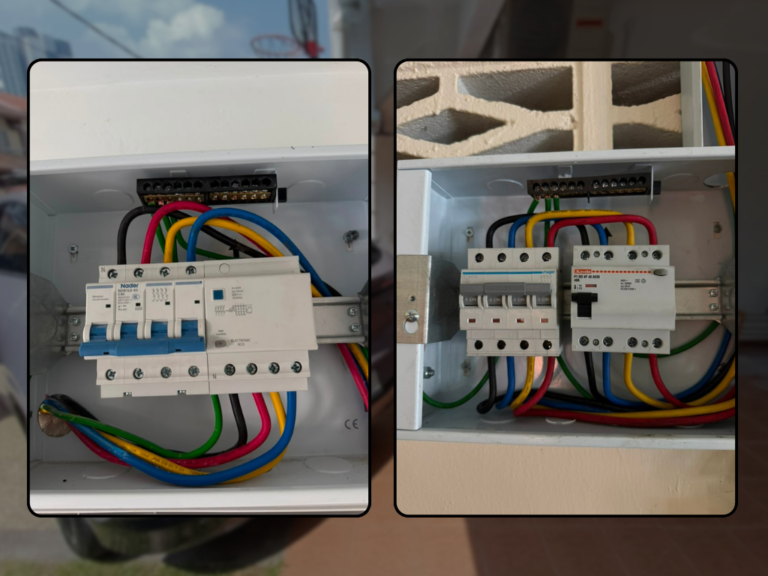
- Distribution board configuration
- Cable routing
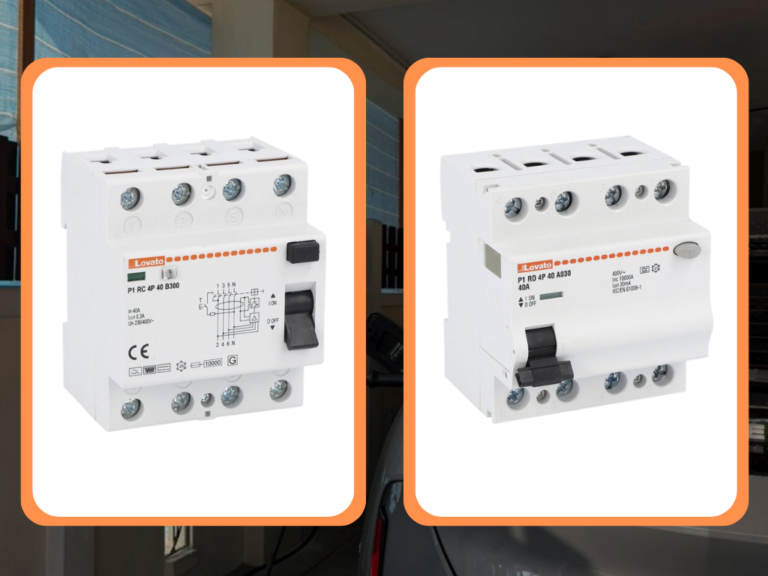
- Protection components
- Charger selection
- Installation planning
Standards such as IEC 61851-1 (Electric Vehicle Conductive Charging System) classify EV charging as a continuous electrical load.
This means the system must be designed to operate safely for long durations at high current, which requires careful electrical planning.
Starting the planning process early ensures that the system is designed correctly and installed safely.
What a Home Charging Inspection Actually Does
A home EV charging inspection is often misunderstood.
Many people imagine a complicated or expensive process.
In reality, the inspection is simply a structured assessment of the home’s electrical system and installation feasibility.
Typical inspection steps include:
- Reviewing the distribution board and protection devices
- Checking incoming electrical capacity
- Identifying safe cable routing paths
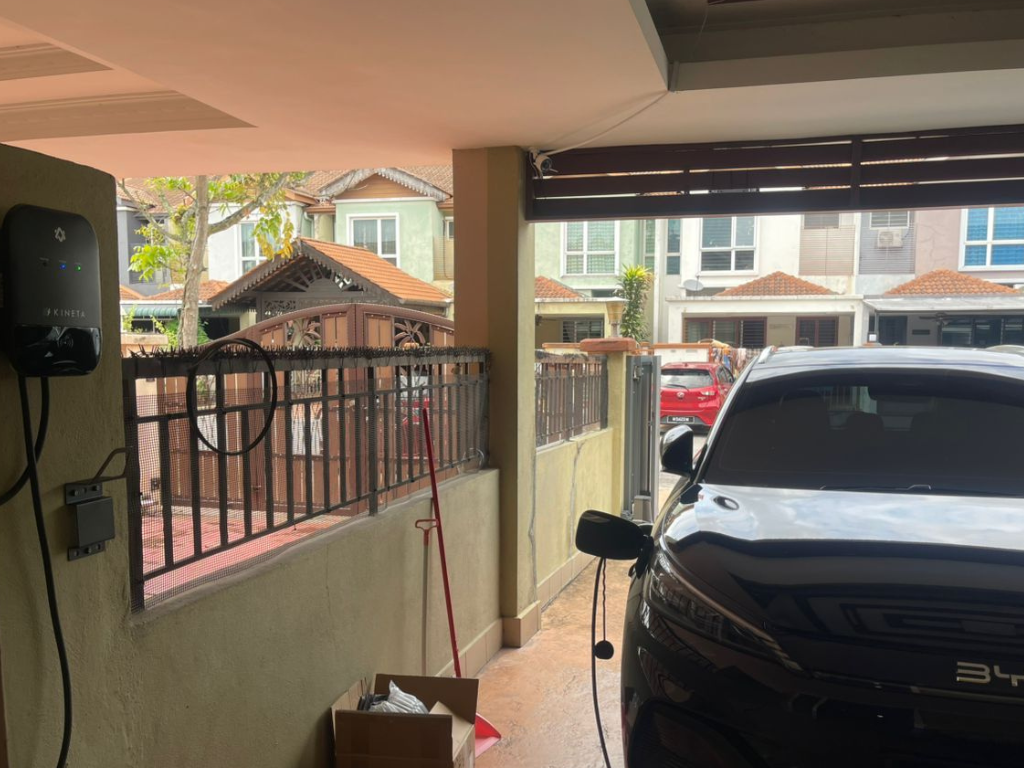
- Determining the optimal charger location
- Planning the installation layout
This allows the installer to identify potential issues early and propose the most suitable charger and installation design.
The Inspection Cost Is Small — And Rebated If You Proceed
One of the reasons some EV owners delay the inspection is the perception that it adds unnecessary cost.
In reality, the inspection fee is relatively small compared to the overall EV purchase.
At IGP, the inspection fee is rebated if the installation proceeds, which means it effectively becomes part of the installation process.
The inspection simply ensures that the installation is done correctly and safely, rather than rushed at the last minute.
Early Planning Makes Installation Much More Efficient
When the inspection is done early — soon after the EV is ordered — several advantages appear.
First, there is enough time to:
- Understand the home’s electrical system
- Select the appropriate charger
- Plan the installation route
- Identify any upgrades if required
Second, once the EV delivery date is confirmed, the installation can be scheduled immediately without needing another round of planning.
This significantly reduces delays and ensures the home charger is ready before the vehicle arrives.
The Ideal Timeline for EV Buyers
A smooth EV ownership experience usually follows a simple timeline:
Step 1 — Order your EV
Confirm the vehicle purchase.
Step 2 — Schedule a home charging inspection
Assess electrical capacity and installation feasibility.
Step 3 — Select the appropriate charger
Choose a system compatible with the home’s electrical conditions.
Step 4 — Confirm installation schedule
Reserve installation once the delivery date is known.
Step 5 — EV arrives with home charging ready
This approach removes the stress many EV owners experience during their first weeks of ownership.
EV Charging Should Be Convenient From Day One
The greatest advantage of EV ownership is convenience.
Being able to charge at home overnight means starting every day with a full battery — without needing to visit a charging station.
But that convenience depends on preparation.
Planning your home charging early ensures that the transition to EV ownership is smooth, safe, and enjoyable.
IGP’s Safety Principle
IGP enforces high standards as a deliberate benchmark to maximise safety in residential EV charging.
Because a home is not just an electrical installation—it is where lives and livelihoods are protected.
EV charging should be an upgrade to modern living, not a compromise in safety.
Let our obsession with quality protect your safety.
Because when it comes to EV charging and electrical systems, there’s no room for compromise.
Need your EV charger or electrical setup professionally inspected?
📞 WhatsApp Us: https://wa.me/60125954786
Stay connected with us:
🔹 Instagram: https://www.instagram.com/InnovativeGreenPowerMY
🔹 Facebook: https://www.facebook.com/innovativegreenpower
🔹 YouTube: https://www.youtube.com/@IGPEVCharging-ir8rv
🌍 Website: https://www.innovativegreenpower.com