When EV owners start planning home charging, the conversation usually begins with one question:
“Which charger should I buy?”
While choosing the right charger is important, it is only one part of the overall charging system.
In reality, the charger itself often represents only a portion of what makes a home charging system safe and reliable.
The rest of the system includes the electrical infrastructure that supports the charger — the cables, protection devices, installation design, and the electrical system of the home.
Understanding this bigger picture helps EV owners make better decisions when preparing their homes for EV charging.
EV Charging Is a System, Not Just a Device
A home EV charging setup typically consists of several components working together.
These include:
- The EV charger (EVSE)
- Dedicated electrical circuit
- Power cables
- Protection devices
- Isolation switches
- Installation routing and mounting
Each of these elements plays an important role in ensuring the system operates safely.
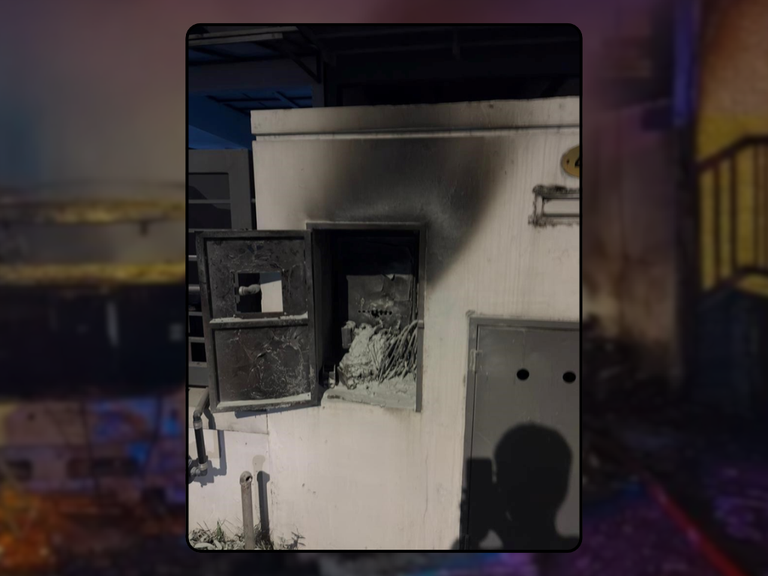
If any one part of the system is poorly designed or improperly installed, it can affect the overall performance and safety of the installation.
This is why EV charging installations are treated as dedicated electrical systems, rather than simple appliance installations.
The Importance of Proper Cable Sizing
One of the most critical elements in a charging installation is the cable that supplies power to the charger.
Because EV charging operates as a continuous electrical load under IEC 61851-1, cables must be sized appropriately to handle sustained current over long charging sessions.
In Malaysia, EV charging guidelines generally recommend 6mm² copper cable as the minimum conductor size for typical single-phase 32A installations.
This provides:
- sufficient thermal capacity
- reduced voltage drop
- improved long-term reliability
Using undersized cables may appear to work initially, but it increases thermal stress and reduces safety margins over time.
Protection Devices Safeguard the Electrical System
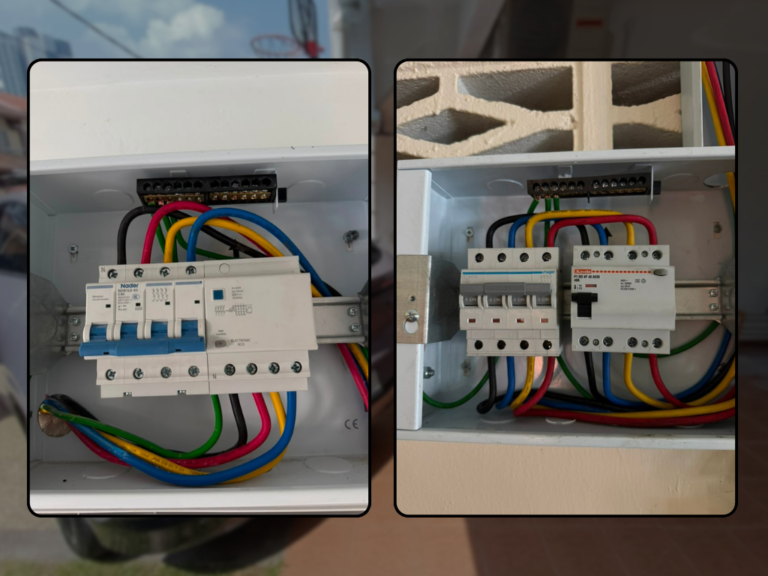
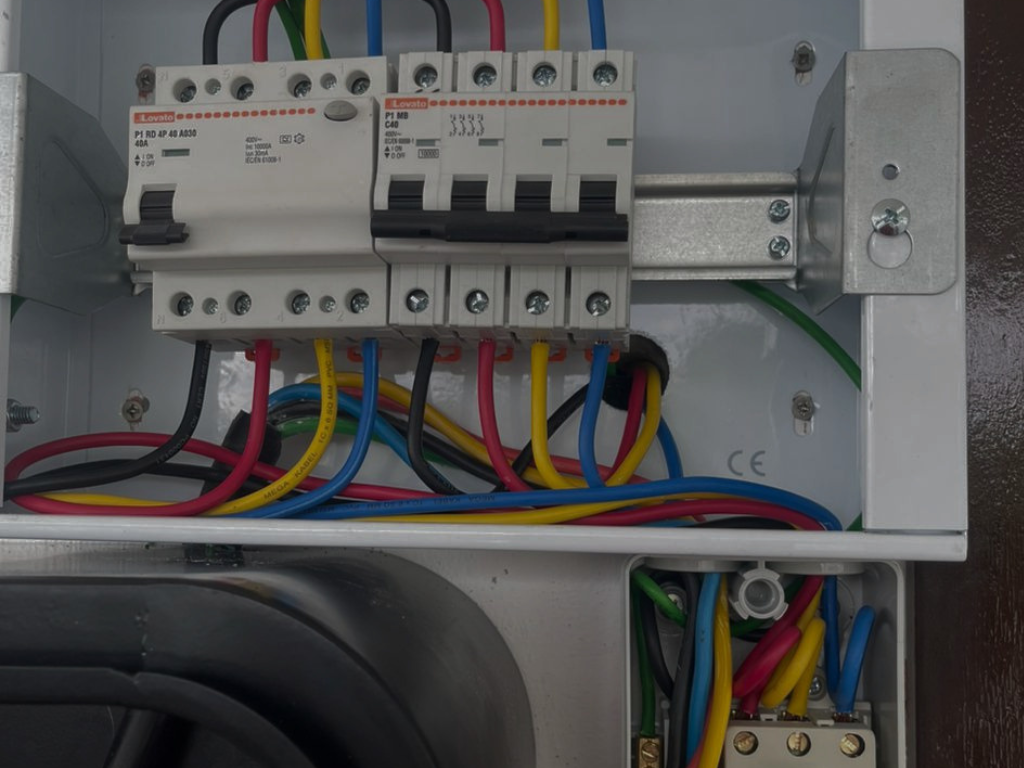
Another important part of the charging system is the set of electrical protection devices installed within the circuit.
These typically include:
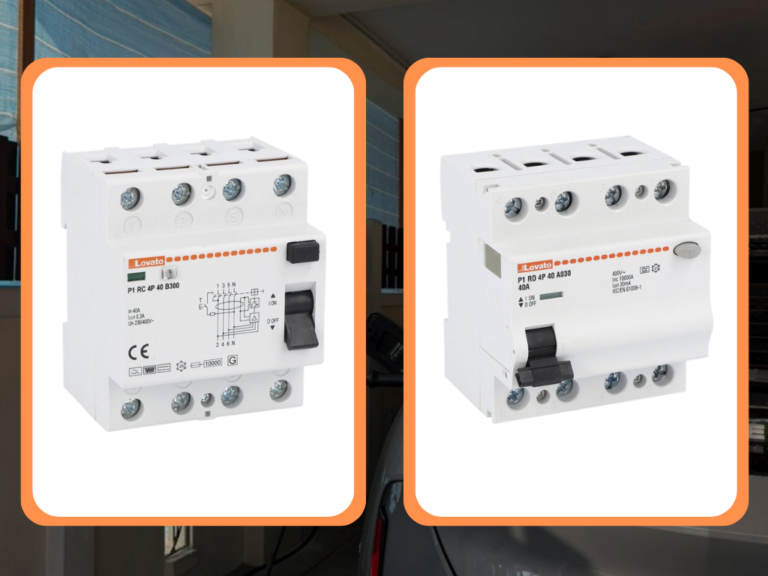
- Miniature Circuit Breakers (MCBs)
- Residual Current Devices (RCDs)
- Isolation switches
These devices help protect against electrical faults such as:
- overload conditions
- short circuits
- leakage currents
For EV charging systems, appropriate residual current protection is especially important because EV chargers may introduce DC leakage currents during charging.
International standards such as IEC 62955 address this by defining requirements for DC residual current detection in EV charging systems.
When protection devices are selected and installed properly, they help ensure the charging system operates safely under normal and abnormal conditions.
Installation Design Matters
The physical design of the installation also plays a role in safety and reliability.
Proper installation planning considers factors such as:
- cable routing distance
- mounting surfaces
- environmental exposure
- mechanical protection of cables
For example, long cable runs must account for voltage drop considerations, while outdoor installations must consider environmental conditions.
A well-designed installation ensures the charging system operates efficiently while maintaining electrical safety.
Why Installation Quality Makes a Difference
Even a high-quality EV charger cannot perform properly if the surrounding electrical system is poorly designed.
For example:
- undersized cables may overheat
- improper protection devices may not respond correctly to faults
- poorly routed cables may be exposed to mechanical damage
These issues are preventable when installation is planned carefully and performed according to good electrical practice.
Professional installers take these factors into account during the inspection and installation planning process.
Home Inspection Helps Build the Complete System
Because the charger is only part of the system, the installation planning process usually begins with a home inspection.
This inspection allows installers to review the electrical infrastructure and determine how the charging system should be designed.
The inspection helps confirm:
- electrical capacity
- cable routing paths
- protection device requirements
- optimal charger placement
Once these elements are understood, the charger and installation can be configured to work safely together.
A Reliable Charging System Starts With Proper Planning
EV charging systems are expected to operate reliably for many years, often supporting multiple vehicles during their lifespan.
Designing the system properly from the beginning ensures that the installation remains safe and dependable.
By planning the system early — ideally soon after ordering an EV — homeowners can ensure that their charger installation is completed efficiently and ready before the vehicle arrives.
IGP’s Safety Principle
IGP enforces high standards as a deliberate benchmark to maximise safety in residential EV charging.
Because a home is not just an electrical installation—it is where lives and livelihoods are protected.
EV charging should be an upgrade to modern living, not a compromise in safety.
Let our obsession with quality protect your safety.
Because when it comes to EV charging and electrical systems, there’s no room for compromise.
Need your EV charger or electrical setup professionally inspected?
📞 WhatsApp Us: https://wa.me/60125954786
Stay connected with us:
🔹 Instagram: https://www.instagram.com/InnovativeGreenPowerMY
🔹 Facebook: https://www.facebook.com/innovativegreenpower
🔹 YouTube: https://www.youtube.com/@IGPEVCharging-ir8rv
🌍 Website: https://www.innovativegreenpower.com