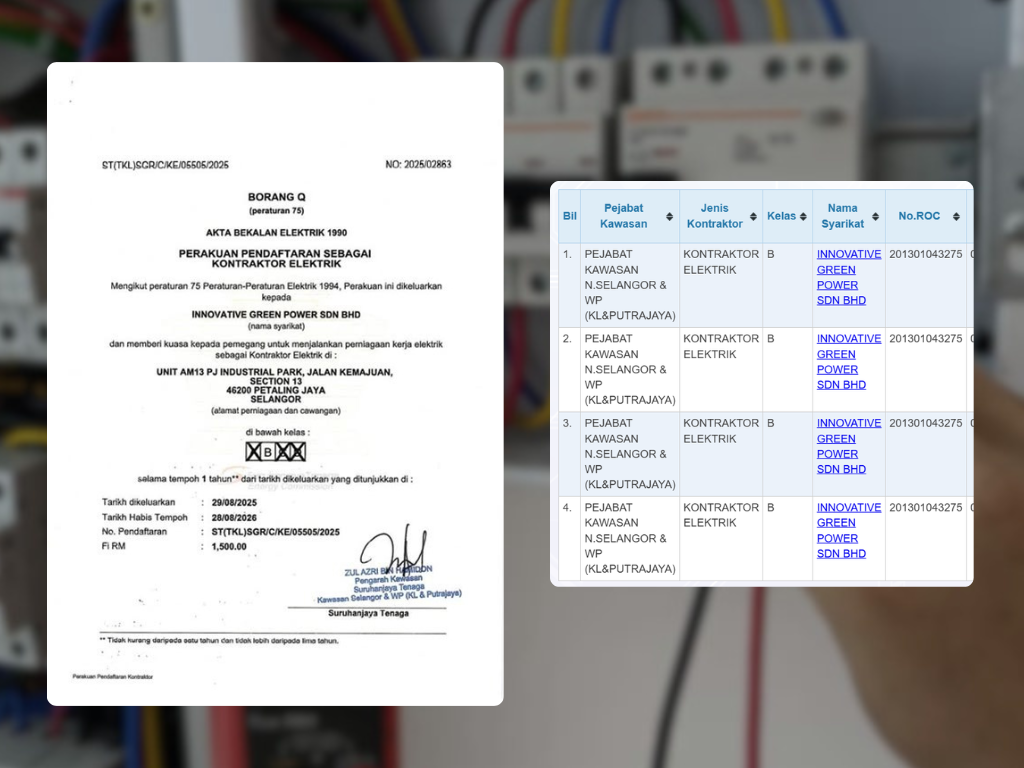
Yes. Innovative Green Power Sdn. Bhd. is a registered electrical contractor with Suruhanjaya Tenaga under Form Q, Regulation 75 of the Electricity Regulations 1994. Based on the certificate shown, Innovative Green Power Sdn. Bhd. is registered under Class B with Registration No. ST(TKL)SGR/C/KE/05505/2025, issued on 29 August 2025 and valid until 28 August 2026.
This is important because an ST electrical contractor registration is not simply a marketing claim. Under Regulation 75, no person shall perform or carry out electrical work unless they hold a valid Certificate of Registration as an Electrical Contractor issued under the Electricity Regulations. The certificate is issued in Form Q and is valid for a period of not less than one year and not more than five years. (Suruhanjaya Tenaga)
Innovative Green Power’s current Class B status also matters because ST’s electrical contractor classification states that a Class B electrical contractor can carry out electrical work up to RM1 million in value. (Suruhanjaya Tenaga)
For homeowners, this means IGP is not only an EV charger supplier or installer by branding. We are registered as an electrical contractor under the regulatory framework that governs electrical work in Malaysia.
Why ST Registration Matters for Home EV Charger Installation
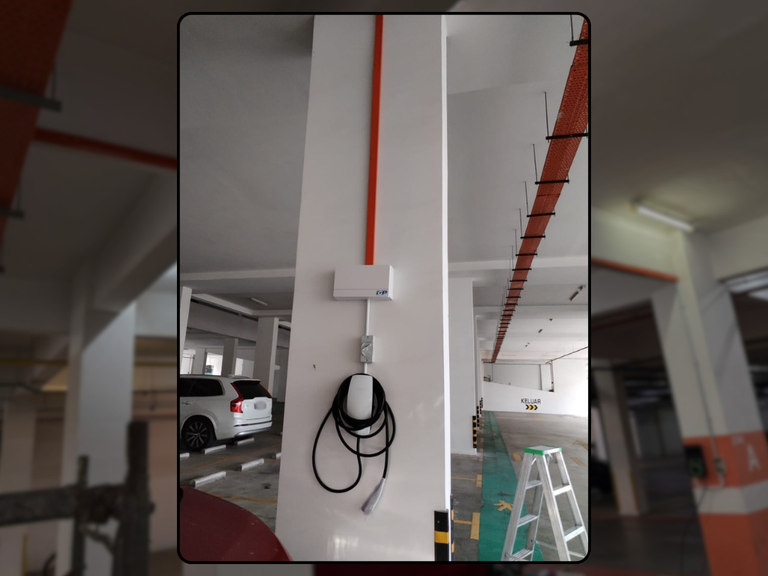
A home EV charger is not the same as plugging in a normal household appliance. Most home wallbox chargers operate at high and continuous electrical load, commonly 7kW on single-phase supply or up to 22kW on three-phase supply, depending on the home electrical capacity and the EV’s onboard charger.
The Suruhanjaya Tenaga EVCS Guidelines require EV charging systems to follow safety requirements under the Electricity Supply Act 1990, including requirements for competent persons, EVCS installation, protection devices, and maintenance. The guideline also states that EV charging systems should be installed with a dedicated final circuit, appropriate cable protection, proper conductor sizing, no cable joints in the dedicated final circuit, overcurrent protection, and residual current protection.
This is why choosing a registered electrical contractor for home EV charger installation is important.
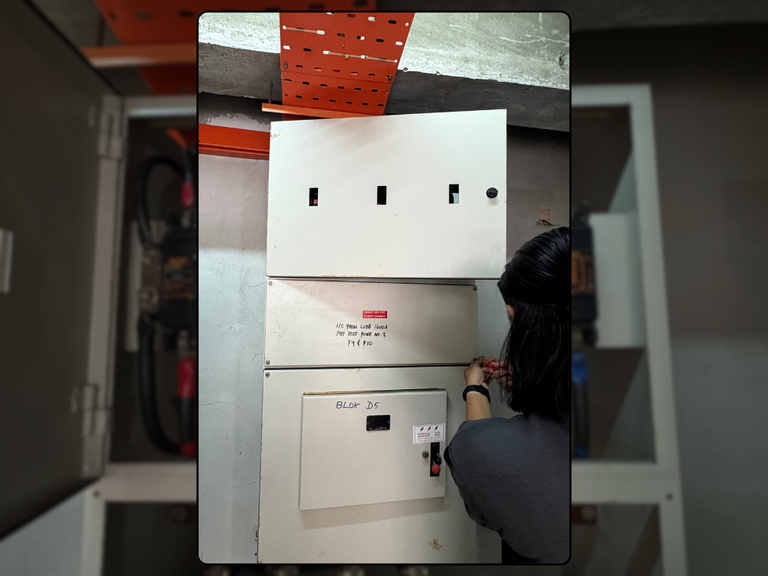
A proper installation is not only about whether the charger can turn on. It is about whether the entire electrical path is suitable for long-duration charging. This includes assessing the existing distribution board, incoming supply, cable route, earthing condition, protective devices, load demand, voltage drop, and the customer’s real-world charging usage.
The Energy Commission’s contractor registration system exists to support electrical safety, monitor competent persons involved in wiring work, and ensure wiring standards are followed. (ECOS Online)
Safety Is the Main Reason
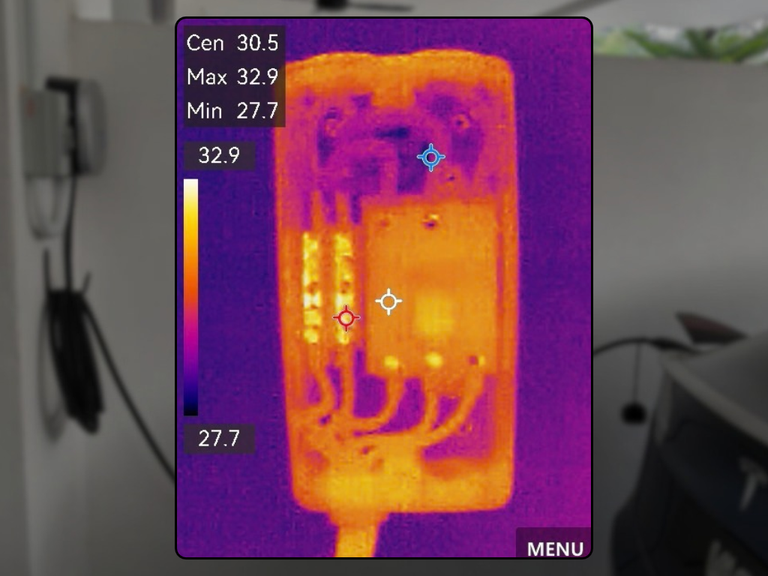
EV charging is a long-duration load. A 32A EV charger may run for many hours continuously. If the cable is undersized, the protection device is wrongly selected, the termination is poorly done, or the circuit is shared with other household loads, overheating risk increases.
A proper EV charger installation should include:
- Dedicated final circuit for the EV charger
- Correct cable size based on installation method and load
- Proper MCB, RCCB, RCBO, or other suitable protective devices
- Correct earthing and bonding
- Proper enclosure, isolator, and cable management
- Testing and commissioning after installation
- Clear documentation for the customer
ST’s residential wiring guideline also explains that wiring work should be planned through site visit, load requirement assessment, maximum demand calculation, and submission of plans, drawings, and specifications where applicable.
This is exactly why EV charger installation should not be treated as a simple handyman job.
Compliance and Documentation Matter
A registered electrical contractor is accountable for the electrical work carried out under the company. ST’s registration requirements include business or company registration, employment of full-time wiremen relevant to the contractor class, insurance coverage for employees, and suitable equipment, testing equipment, and instruments. (Suruhanjaya Tenaga)
For electrical work, documentation also matters. Form G is the Supervision and Completion Certificate, where the competent person certifies that the electrical work has been supervised and completed in accordance with the Electricity Regulations 1994. (Suruhanjaya Tenaga) Form H is the Test Certificate, where the competent person certifies that the installation has been tested and is ready and safe to receive electricity. (Suruhanjaya Tenaga)
For homeowners, this documentation can become important if there is a future electrical fault, charger warranty issue, insurance discussion, property sale, or inspection. It provides a technical trail showing that the work was not simply installed, but supervised, tested, and completed under a proper electrical framework.
What Is the Difference Between a Registered Wireman and a Registered Electrical Contractor?
This is one of the most common areas of confusion in the EV charger installation market.
A registered wireman is an individual competent person. He may hold a competency certificate and may be qualified to perform or supervise certain types of electrical work depending on his restriction and authorisation.
A registered electrical contractor is the business entity registered with ST to carry on the business of electrical work. The Form Q certificate authorises the holder to carry on the business of electrical work as an electrical contractor under a stated class. (Suruhanjaya Tenaga)
In simple terms:
A wireman is an individual competent person.
An electrical contractor is the registered company or business entity allowed to contract and execute electrical work to the public.
Both are important, but they are not the same thing.
A company saying “we use a registered wireman” is not automatically the same as saying “our company is a registered ST electrical contractor.”
Why Some Installers Claim They Use Registered Wiremen, but Their Company Cannot Be Found in the ST Electrical Contractor Database
There are a few common reasons.
First, the company may be a sales, renovation, air-cond, solar, smart home, or general service company that does not itself hold an ST electrical contractor registration. They may outsource the wiring work to a freelance wireman or subcontractor.
Second, the individual wireman may be registered, but the company collecting payment from the customer may not be registered as an electrical contractor. This creates a grey area for accountability. If something goes wrong, the customer may not know whether responsibility sits with the salesperson, the subcontractor, the wireman, or another third party.
Third, the company name used in marketing may be different from the legal entity registered with ST. Customers should check the exact SSM name, not only the brand name used on Facebook, WhatsApp, or a quotation.
Fourth, the registration may have expired, or the company may never have held a valid Form Q electrical contractor certificate. ST’s ECOS portal provides registration-related information and includes a “Senarai Perakuan” section for certificate records. (ECOS Online)
The correct question to ask is not only, “Do you have a wireman?”
The better question is, “Is your company registered with Suruhanjaya Tenaga as an electrical contractor, and can I verify the Form Q registration?”
How Homeowners Can Protect Themselves Before Installing an EV Charger
Before confirming a home EV charger installation, homeowners should ask for:
- The company’s ST electrical contractor registration number
- The Form Q certificate showing the company name, class, issue date, and expiry date
- The name and competency details of the person supervising or testing the work
- A clear installation proposal showing cable size, protection devices, wiring method, and installation scope
- Testing and commissioning records after completion
- Warranty terms for workmanship, charger, and protection components
This is not about making the process complicated. It is about making sure that a high-load electrical system is installed properly from the beginning.
Why Innovative Green Power Takes This Seriously
At Innovative Green Power, we have always treated EV charger installation as electrical infrastructure work, not accessory installation.
A safe EV charger installation should be designed around the home’s actual electrical condition. Some houses can safely support a standard 7kW charger. Some homes may need load balancing. Some older homes may require distribution board improvement, earthing correction, or supply upgrade planning before EV charging is added.
This is why we conduct proper site inspection, assess the available electrical capacity, recommend suitable protection components, and provide installation work carried out under an ST registered electrical contractor framework.
For customers, the benefit is simple: better safety, better accountability, and better long-term reliability.
Final Answer
Yes, Innovative Green Power Sdn. Bhd. is a registered Suruhanjaya Tenaga electrical contractor.
Yes, being a registered electrical contractor is important for home EV charger installation because EV charging involves high continuous electrical load, dedicated circuit requirements, correct protection devices, testing, and compliance.
And yes, there is a real difference between a company that is registered as an ST electrical contractor and a company that merely says it “uses a registered wireman.” A registered wireman may be competent as an individual, but the company offering electrical work to the public should also be properly registered and accountable.
When choosing an EV charger installer in Malaysia, do not only compare price. Check whether the company is properly registered, whether the installation is designed correctly, and whether the work will be tested and documented.
Let our obsession with quality protect your safety.
Need your EV charger or electrical setup professionally inspected?
WhatsApp Us: https://wa.me/60125954786
Stay connected with us:
Instagram: https://www.instagram.com/InnovativeGreenPowerMY
Facebook: https://www.facebook.com/innovativegreenpower
YouTube: https://www.youtube.com/@IGPEVCharging-ir8rv
Website: https://www.innovativegreenpower.com