1. Introduction
When choosing cables for an EV charger, the metal inside the cable matters just as much as the cross-section. Copper and aluminium (or copper-clad aluminium, CCA) behave very differently under continuous loads. This article explains why IGP uses full copper cables and how cable material affects safety and performance.
2. Conductivity Differences
Copper has significantly lower electrical resistance than aluminium—about 40 % less. This means a copper conductor can carry more current than an aluminium conductor of the same size with less voltage drop and heating. Aluminium cables require larger cross-sections to achieve the same performance; otherwise, they get hotter and waste energy. For continuous loads like EV charging, this extra resistance can lead to significant voltage drop and heat buildup.
3. Durability and Reliability
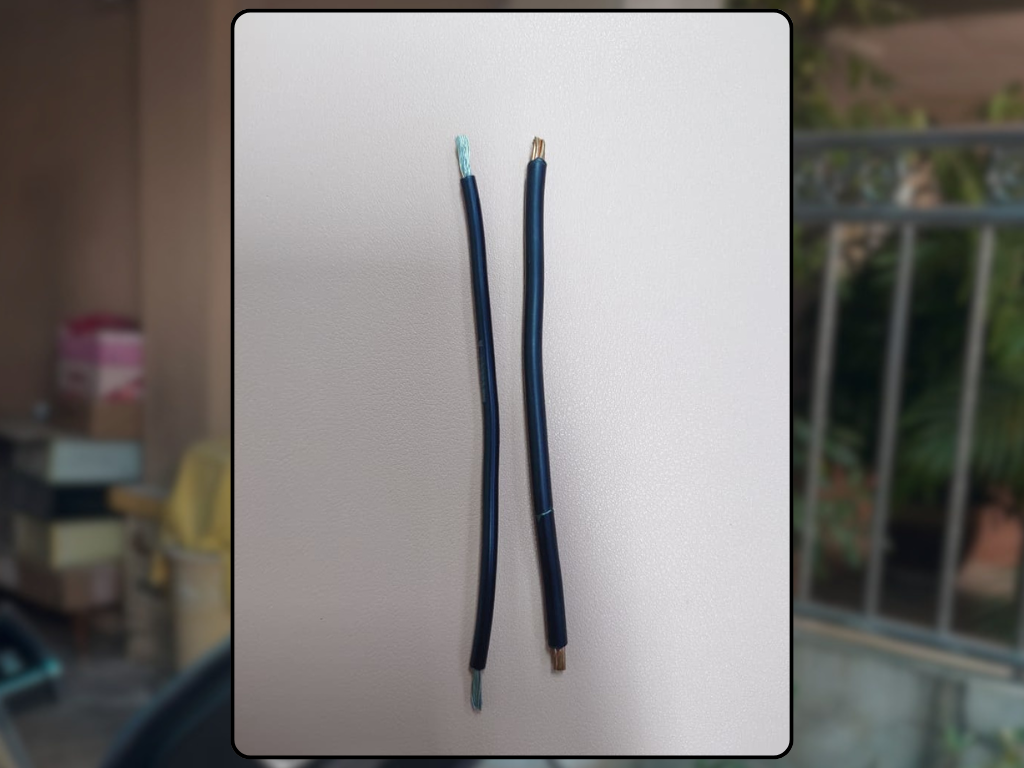
Copper is mechanically stronger and more flexible than aluminium. It withstands the repeated thermal cycling associated with continuous loads and is less prone to corrosion. CCA cables, which have a thin copper coating over an aluminium core, may seem cost-effective but can corrode where the materials meet. Over time, this can increase resistance and cause overheating. Moreover, CCA and aluminium cables are harder to terminate properly; loose connections create hot spots and raise fire risk.
4. Compliance with Standards
Electrical standards such as MS IEC 60364 require that conductors be selected to prevent thermal and voltage drop limits from being exceeded in continuous operation. Using aluminium conductors in place of copper may require a larger cross-section to comply. It also complicates installation because termination methods differ. To ensure simplicity and compliance, IGP uses full copper conductors—typically 6 mm² or 10 mm²—meeting both cross-section and material requirements.
5. How IGP Implements This Policy
IGP’s installation packages include:
- Full copper cables with cross-sections suitable for the load and installation conditions (6 mm² for most single-phase circuits; 10 mm² for long runs or three-phase).
- Quality cable management and termination, ensuring tight connections and minimising heat buildup.
- Proper protective devices (MCB, RCCB/RCBO) that operate reliably with copper wiring.
Our decision to use copper—even when aluminium or CCA would be cheaper—reflects our commitment to long-term reliability and safety.
6. Conclusion
Cable material matters. Copper conducts electricity better, runs cooler, and lasts longer than aluminium or CCA, especially under continuous loads like EV charging. It also ensures compliance with standards on voltage drop and thermal limits. By choosing full copper conductors and appropriate cross-sections, IGP protects your home from overheating, voltage drop and premature cable failure. When comparing installation quotes, always confirm that the installer uses full copper cables of the correct size.